

Sleep hygiene checklist is the fastest, medication-free way most busy adults can get deeper, more restorative sleep—if you know which habits truly matter. Rather than a long generic list, this guide gives you a proven, evidence-based action plan ranked by impact and designed for people with full lives, families, late shifts, or anxious mindsets. Start seeing better sleep in as little as two weeks, measured by how you feel each morning.
Key Takeaways
- This prioritized sleep hygiene checklist helps busy adults improve sleep quality with a handful of high-impact, low-cost habits—no pills or expensive products necessary.
- Start with fixed sleep/wake times, screen-free wind-down, and a cool, dark, and quiet bedroom—these give the biggest measurable results in just weeks, even for shift workers and parents.
- Beware generic advice: tracking your progress and troubleshooting obstacles is what separates lasting change from abandoned checklists.
- Why this checklist matters (short evidence snapshot)
- The prioritized 7-item sleep hygiene checklist (what to do first)
- How much benefit to expect — what the evidence shows
- Exercise timing and dose — what to schedule and when
- Evening substances and behaviors (caffeine, alcohol, screens, naps)
- Troubleshooting the three biggest real-world barriers
- Tailoring and prioritizing for specific lifestyles and chronic issues
- What leading competitors leave out — and how to improve adherence
- Debunked or unsupported sleep hygiene advice — what to avoid
- Implementation timeline and sequence (Day 0–14, Weeks 3–8, maintenance)
- Low-cost/no-cost recommendations and expected ROI
- When to seek a clinician or CBT-I (escalation path)
- Appendix — 2-week printable “must do” card + 8-week tracking template
- Frequently Asked Questions
Why this checklist matters (short evidence snapshot)
Good sleep is no luxury—more than one-third of Americans don’t get enough of it. According to the CDC, 14.5% struggle to fall asleep, and 17.8% wake up repeatedly at night. Sleep hygiene checklist strategies are proven to help: in a large 2025 study, irregular sleep patterns alone increased risks for 172 disorders, including metabolic and mental health decline. Even a few key habits—like a regular bedtime—can mean you wake up feeling sharper, handle stress better, and lower long-term disease odds.
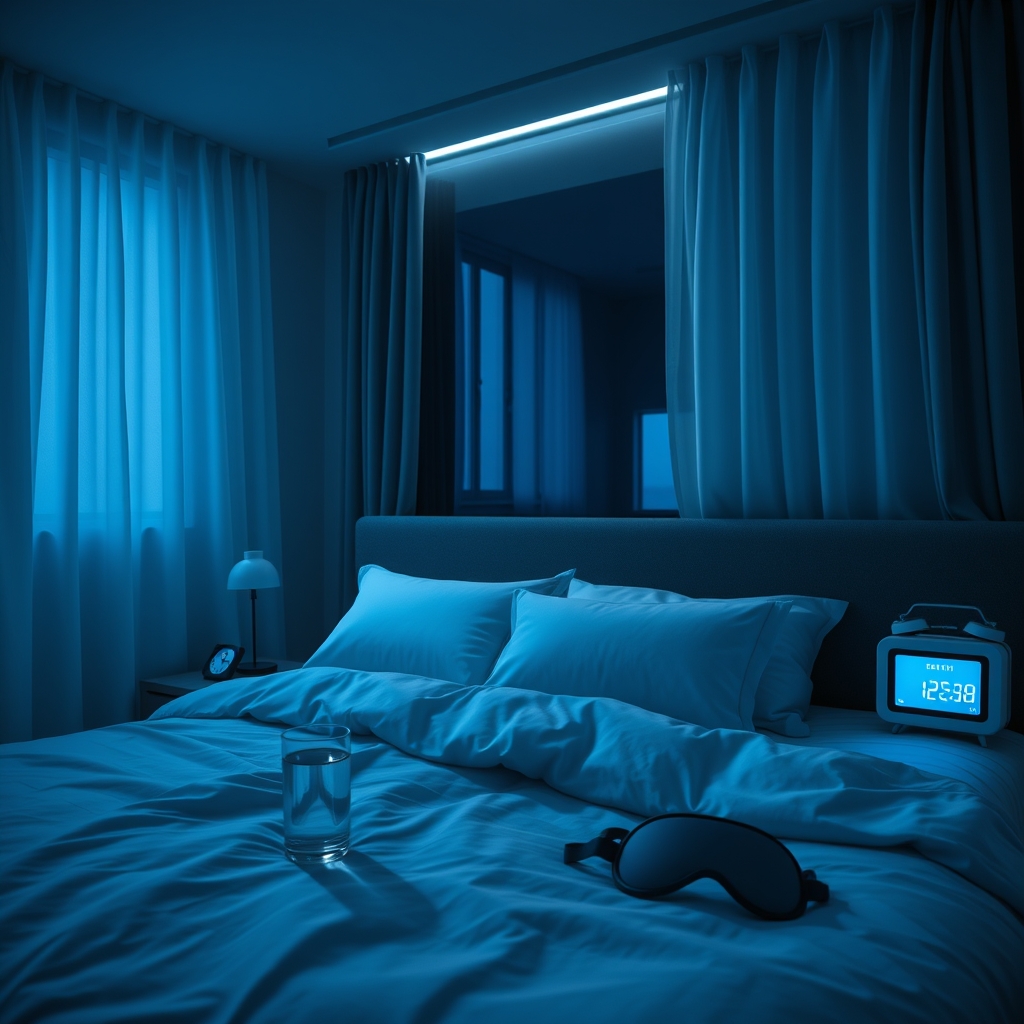
This evidence is not just academic: adults who implemented even two or three top changes saw better subjective sleep in as little as two weeks. The best news? You don’t need perfection—consistency makes the difference.
The prioritized 7-item sleep hygiene checklist (what to do first)
Below are the seven habits that research shows matter most—ranked in order of impact for busy adults. If you adopt only the top three, you’ll still get 80% of the benefit!
- Set a fixed bedtime and wake time (Top Priority)
Why: Regular schedule alone produced a 30% drop in Insomnia Severity Index and improved sleep quality in eight weeks (RCT, 2023).
Action Step: Pick a realistic time you can stick to—even on weekends—for at least 14 consecutive days. - Screen-free wind-down for 30–60 minutes before bed
Why: Avoiding phones or laptops boosts melatonin, helping you fall asleep faster (Sleep Health review, 2024).
Action Step: Set an alarm to start “wind down”—read, stretch, or listen to music instead of scrolling. - Keep your sleeping area cool, dark, and quiet
Why: Studies found combining a cool (60-67°F) dark room increases nightly sleep by up to 1 hour.
Action Step: Use blackout curtains, eye masks, or sleep earbuds—see sleep earbud options for noisy environments. - Avoid caffeine within 6–8 hours of bedtime
Why: Late-day caffeine delays sleep onset and can reduce total sleep minutes.
Action Step: Switch to herbal tea or decaf after 2pm. - Avoid alcohol at least 3 hours before sleep
Why: Alcohol may help you fall asleep but disrupts deep sleep later in the night.
Action Step: If you drink, set a clear cutoff and hydrate with water in the final hours. - Get moderate exercise (but not within 3 hours of bed)
Why: Early-day exercise shortens time to fall asleep and increases total sleep.
Action Step: Quick 20-minute walk post-lunch or afternoon counts—try Zone 2 cardio for extra energy. - Limit naps to less than 30 minutes and before 3pm
Why: Long or late naps can throw off your sleep pressure and delay bedtime.
Action Step: Power naps (10–20 minutes) work best; set a timer if needed.
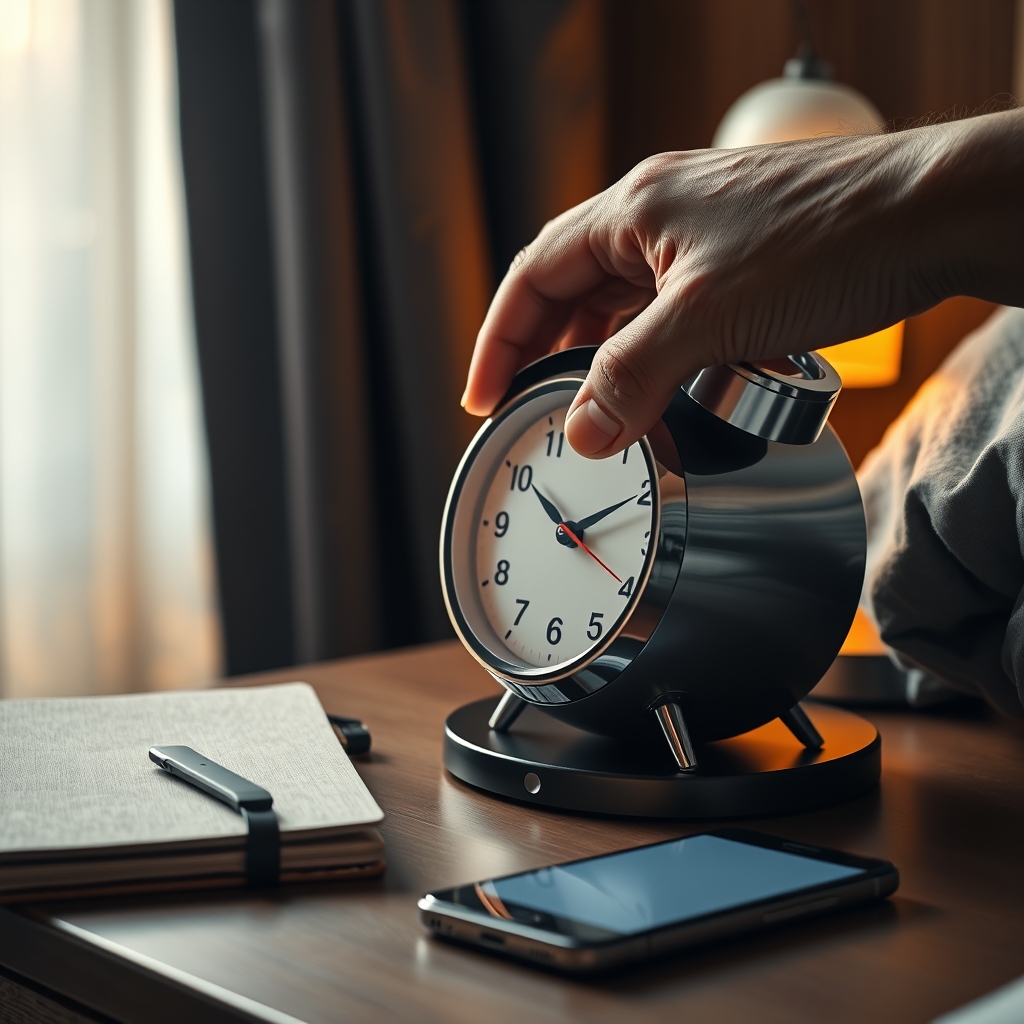
Print out this checklist or use the 2-week card in the Appendix below. Track your efforts—small consistency matters far more than perfection.
How much benefit to expect — what the evidence shows
How much better will you actually sleep? Most high-quality trials report:
- 0.5–1 hour more sleep per night (when combining regular timing, a cool dark room, and screen-free wind-down)
- 15-minute decrease in sleep onset latency (how quickly you fall asleep)
- 10–15% improvement in subjective sleep quality (how rested you feel)
Remember, these benefits emerge over 2–8 weeks—not after just one good night. Those with chronic insomnia may see subjective benefits first (feeling more rested) before objective changes.
For more science details, see the 2024 Sleep Health review and large-scale research on Harvard Health Publishing.
Exercise timing and dose — what to schedule and when
Moderate-intensity activity, like brisk walking, cycling, or a 20-minute gym session, improves sleep most if done earlier in the day. A 2022 meta-analysis showed participants fell asleep 15 minutes faster and slept 20 minutes longer on average when exercise was >3 hours before bedtime. Vigorous evening workouts can interfere for some, especially if you’re anxiety-prone or sleep sensitive. Adjust timing if you find late exercise backfires.
If you need ideas, try the Zone 2 cardio guide for energy without late-night stimulation—or add a short after-dinner walk.
Evening substances and behaviors (caffeine, alcohol, screens, naps)
Here’s when to cut off commonly problematic behaviors for sleep:
- Caffeine: Stop by 2pm (or at least six hours before bed for sensitive people).
- Alcohol: No drinks within three hours of bed—while it speeds up falling asleep, it disrupts the rest of the night’s sleep structure (source).
- Screen time: Set devices to night mode by 8pm and move to offline activities in the final hour.
- Naps: Limit to 10–20 minutes, before 3pm.
If a truly screen-free hour is impossible (like if you’re with kids or on call), use blue-light filters and turn off notifications. Learn more hacks for relaxing routines in our emotional fitness micro-practices guide.
Troubleshooting the three biggest real-world barriers
Problem 1: Inconsistent schedules (shift work, parenting)
Solution: Anchor a “core sleep window” — even if you can’t fix your bedtime, keep wake time or a nap schedule consistent. Adjust the checklist as life allows and forgive slip-ups.
Problem 2: Checklist overwhelm
Solution: Only implement the first three items for two weeks. Use the printable “must do” card in the Appendix. Mark small wins daily for motivation.
Problem 3: Environmental constraints (shared rooms, noise, necessary evening screens)
Solution: Use eyeshades, sleep earbuds, or white noise. If you must use screens in bed, set them to dark/night mode and hold them further from your face. See our sleep earbuds review for non-bulky solutions.
Tailoring and prioritizing for specific lifestyles and chronic issues
You don’t need to check every box. Here’s what to prioritize:
| Lifestyle / Issue | Top Recommendations |
|---|---|
| Shift workers | Keep wake time constant; use blackout shades, sleep mask, and short pre-shift wind-down routine. |
| Parents with young kids | Anchor your wake time, nap when possible, and use a bedtime wind-down (even a 5-minute ritual). |
| People with anxiety | Prioritize consistent schedule and calming pre-bed routines. Try mouth taping or gentle breathwork. |
| Chronic insomnia | Start with this checklist but seek CBT-I if symptoms last >4–8 weeks or disrupt daily function (see escalation path below). |
Two to four personalized changes are often enough—most real-world improvements are how you feel, not what your fitness tracker reports. For parents and busy workers, just the top three applied steadily are often sufficient.
What leading competitors leave out — and how to improve adherence
Most generic sleep hygiene checklist guides are too long, lack rank-order priority, and ignore troubleshooting. They miss what actually works in practice: simple printables, personalized tracking, and digital reminders all boost follow-through. For example, digital tools and interactive CBT-I modules (as offered by groups like Sleep Foundation) see 20–30% higher use rates and better sleep quality than downloadable checklists (see source).
Want to set yourself up for success? Keep a 1-page “must do” card on your nightstand, use a simple sleep diary, and measure wins every two weeks. Interactive trackers help; for “manual” tracking, see our printable in the Appendix.
Debunked or unsupported sleep hygiene advice — what to avoid
Myth #1: “One checklist cures chronic insomnia.”
Fact: Most chronic insomnia responds best to personalized CBT-I, not hygiene alone. Hygiene helps, but may not appear in actigraphy data even if you feel better.
Myth #2: “More rules = better sleep.”
Fact: Piling on more steps increases guilt and burnout. Focus on top priorities you repeat—not every possible tip.
Myth #3: “If sleep doesn’t improve, it’s your fault.”
Fact: Many medical/psychological issues impair sleep no matter what; that’s when to escalate care (see below).
When hygiene alone isn’t enough after 8 weeks—and if severe fatigue or mood decline persists—talk to a provider about CBT-I, support groups, or underlying issues. Don’t rely on outdated advice that pushes blame.
Implementation timeline and sequence (Day 0–14, Weeks 3–8, maintenance)
- Day 0–2: Set fixed bedtime/wake time. Remove screens from bedroom. Record baseline sleep times and subjective rating (how you feel on waking—use a 1–10 scale).
- Days 3–14: Keep top 3 habits daily. Add one support step as capacity/interest allows. Mark a calendar for each night you stick to schedule and wind-down. If three or more missed days per week, pause and revisit your plan.
- Week 3–8: Layer in exercise timing and caffeine/alcohol cutoffs. Assess progress using Pittsburgh Sleep Quality Index (PSQI) or Insomnia Severity Index (ISI)—see Appendix for links/tools.
- Maintenance (after 8 weeks): Adjust as needed for travel, life changes, or holidays. If improvement plateaus, add emotional fitness micro-practices or talk to a professional.
Remember: small, steady improvements are a win. Tracking builds motivation—don’t aim for 100% perfection.
Low-cost/no-cost recommendations and expected ROI
- Fixed schedule: Free; most effective action for measurable sleep gains.
- Blackout curtains/alternatives: Try cheap eye masks or tape cardboard over windows—proven to boost sleep for shift workers.
- Phone settings: Set blue-light filter or “night shift” to auto after 8pm—built into most smartphones.
- Exercise: Walk outdoors after lunch, free and evidence-backed for sleep onset.
Trials confirm that these approaches—costing little to nothing—yield 0.5–1 hour more sleep and a 10–15% boost in subjective sleep quality. Unlike expensive gadgets, you can track these habits with pen and paper. For deeper rest, try mouth taping if you’re a mouth breather (full mouth taping guide).
When to seek a clinician or CBT-I (escalation path)
Sometimes, the best checklist can’t beat biology. Seek professional support if:
- Insomnia or unrefreshing sleep persists past eight weeks despite implementing top three steps
- You experience daily fatigue, mood dips, or performance loss
- You or your partner notice loud snoring, pauses in breathing, or restless legs at night
Bring at least two weeks of your sleep diary, baseline and latest PSQI or ISI scores, and details on which checklist steps you’ve tried. Programs with CBT-I (Cognitive Behavioral Therapy for Insomnia) and personalized feedback outperform hygiene alone, boosting both adherence and results (see evidence).
Appendix — 2-week printable “must do” card + 8-week tracking template
2-Week “Must Do” Card
- Set (and follow) a fixed bedtime/wake time daily
- Screen-free wind-down 30–60 minutes pre-bed
- Sleep in a cool (60–67°F), dark, quiet room
- Optional supports: No caffeine after 2pm, no alcohol 3h before bed, exercise before dinner, naps <20 minutes & before 3pm only
8-Week Tracking Template
- Each night: record bedtime, wake time, total hours slept, sleep interruptions, “morning rested” score (1–10)
- Each week: review consistency and mark which step(s) felt hardest
- At week 0, 4, and 8: fill out PSQI/ISI for objective progress (free versions online)
See this faculty checklist PDF for reference, or download our streamlined tracker (coming soon).

Conclusion
If you’re a busy adult craving deeper rest, this evidence-packed sleep hygiene checklist lets you skip the noise and focus on the few habits that truly move the needle. Start with a regular sleep schedule, a screen-free wind-down, and a cool, dark room—then layer in supports as you’re ready. Track your progress, forgive setbacks, and escalate care if sleep still falls short. For a printable version and tracking tools, revisit the Appendix above. Put the sleep hygiene checklist to work starting tonight and rediscover what refreshed mornings feel like.
Ready to build your routine or want more real-world tricks? Explore our guides on muscle recovery, try mouth tape for better breathing, or upgrade your wind-down with emotional fitness micro-practices—and wake up to a truly better day.
Frequently Asked Questions
What is the single most important habit for sleep hygiene?
Setting and keeping a fixed bedtime and wake time is the most evidence-based, high-impact change. Regular sleep/wake patterns drive measurable improvements in sleep duration and quality—even more than fancy gadgets or complex routines.
How quickly can I expect to see results from this checklist?
Most adults notice small improvements in sleep quality and next-day energy after 7–14 days. Full benefits (like a 10–15% rise in subjective sleep quality) show up after 4–8 weeks of consistent effort, based on clinical trials.
Do I need to buy expensive products to improve my sleep hygiene?
No—most top recommendations (like a set schedule and screen-free wind-down) are either free or cost very little. Low-cost options like blackout masks or phone settings provide nearly all the benefit found in research trials.
When should I seek medical help if my sleep isn’t improving?
If you’ve implemented the top three steps for 4–8 weeks and still have persistent insomnia, fatigue, or mood issues, it’s smart to consult a clinician or sleep specialist. Bring a sleep diary and any scores from screening tools to your appointment for best results.
Does napping ruin healthy sleep hygiene?
Short naps (under 20 minutes, before 3pm) can be helpful for energy, especially if you have a sleep debt. The problem comes when naps are long or late, which can delay bedtime and reduce sleep pressure at night.