

sleep earbuds have changed how light sleepers and side sleepers approach noisy nights, offering targeted comfort and real noise-masking technology that generic earbuds and foam earplugs just can’t match. If you’re struggling with partner snoring, street sounds, or constant interruptions, finding the right pair could be the last upgrade your sleep routine needs. In this guide, you’ll get realistic, step-by-step buying advice—plus actionable hacks to avoid the most common pitfalls.
Key Takeaways
- The sleep earbuds market is in rapid growth, with new features emerging for side sleeper comfort, superior noise blocking, and sleep-health tracking.
- Most ordinary earbuds and earplugs disappoint due to comfort issues, battery shortfall, poor fit, or weak noise masking—especially for side and restless sleepers.
- Critical shopper needs—including true sleep-health integration, adaptivity for all sleeping positions, and accessible pricing—are often missing from top product lists, but can be found with careful research.
- Market snapshot — why sleep earbuds matter in 2024
- How sleep earbuds differ from regular earbuds and earplugs
- Top 5 user complaints — what to avoid when buying
- The 3 underserved user needs top lists miss
- Technical spec checklist — what to look for
- Price landscape in 2024 — what features cost
- Clinical evidence & effectiveness — what science and reviewers say
- Health & safety — risks of overnight earbud use and mitigation
- How to test them in-store or at home — 7-point checklist
- Top picks in 2024 — recommended models + who each is for
- Conclusion + call to action
- FAQ
Market snapshot — why sleep earbuds matter in 2024
Sleep earbuds have become the fastest-growing segment of the roughly 455 million global earbuds shipped in 2024—a jump of nearly 11 percent from the prior year, with True Wireless Stereo (TWS) options making up nearly 73 percent of those numbers. North America leads the surge, driven by high sleep health awareness and tech adoption, with regional sales outpacing $500 million and premium models like QuietOn surpassing $200 per pair. Brands are accelerating R&D to develop sleep-specific designs that promise overnight comfort, noise-blocking and sleep tracking—features shaping today’s purchase landscape.
Sources: Verified Market Reports, Market Growth Reports
How sleep earbuds differ from regular earbuds and earplugs
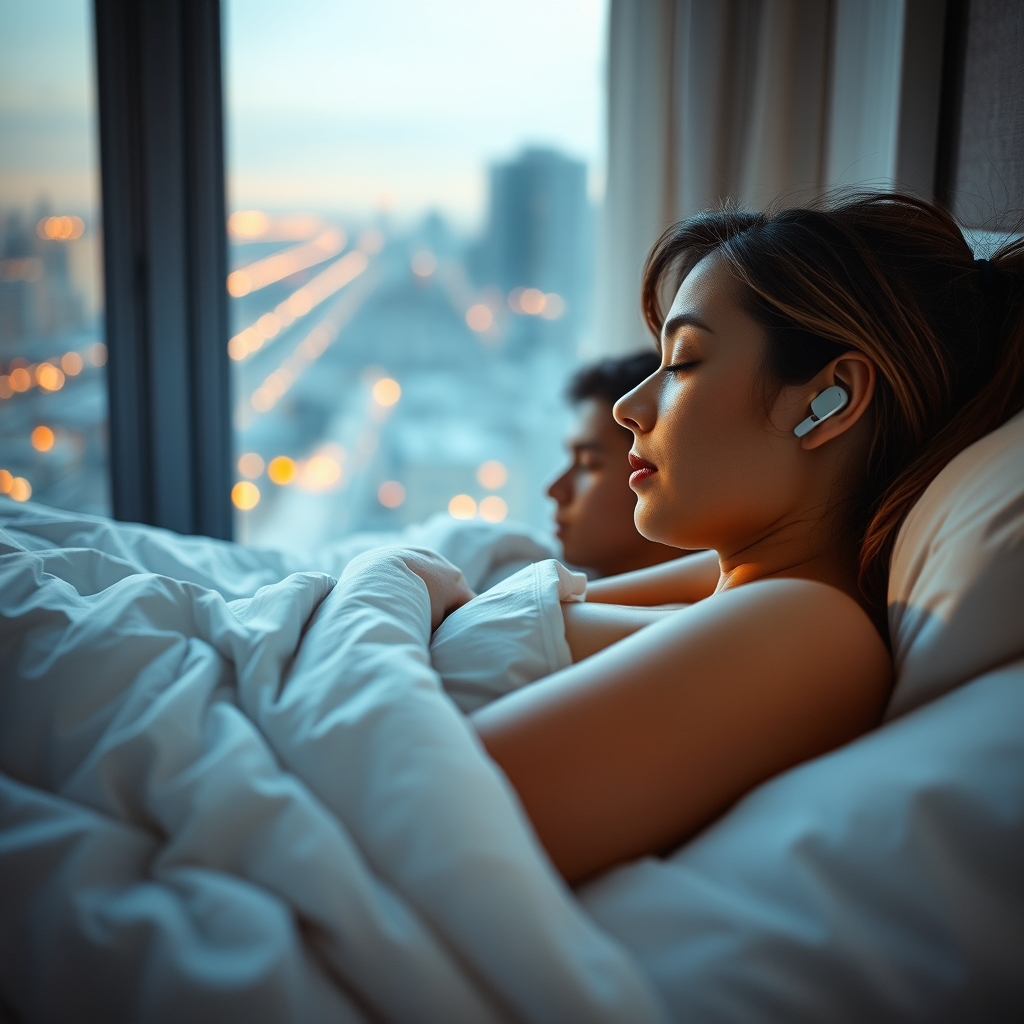
Most generic TWS earbuds and basic foam earplugs suffer in bed: they press painfully into the ear when you roll over or simply pop out overnight. The best earbuds for sleeping take a low-profile, ultra-soft approach—often with custom-flexible silicone, tiny housings, and secure-fit fins that hold steady without pinching. Unlike standard earbuds aimed at sound quality, sleep models prioritize passive noise-blocking, soothing soundscapes, or white noise playback with lower volume safety. They’re usually more effective than earplugs for blocking real-world distractions like snoring or urban sounds, according to recent Consumer Reports and side-sleeper feedback, who find the specialty fit makes all the difference.
For more on the relationship between sleep health and physical recovery, explore these L-Carnitine supplement benefits for muscle and sleep synergy.

Top 5 user complaints — what to avoid when buying
Even top sleep earbuds aren’t perfect out of the box. The most common complaints—frequently mentioned in user reviews and industry research—are:
| # | Core Complaint | Why It Happens | How to Spot It Before You Buy |
|---|---|---|---|
| 1 | Pressure/pain for side sleepers | Earbuds too tall or hard; design doesn’t flex | Look for height specs (≤6mm), 3D fit diagrams, side-sleeper reviews |
| 2 | Buds fall out or irritate ear canal | Poor silicone quality, not enough tip sizes | User images of loose fit, “fall out” complaints, missing XS tips |
| 3 | Limited battery life | ANC/streaming drains power, ads inflate runtime | Real user reports of 8–10h when ANC is used (not just 14h claim) |
| 4 | Weak noise-masking | Poor passive seal, low white noise output | No decibel reduction quoted, reviews mention “can’t block snoring” |
| 5 | Clunky, accidental touch controls | Oversensitive touch panels or awkward app | Fast-forwarded music by mistake, false activations, “woke up with tracks changed” stories |
Checking reviews for side sleeper comfort, fit variety, and true overnight battery life is key. Consider how you’ll clean the earbuds, and whether mic-free or app-configurable models reduce accidental activation. For those struggling mostly with partner snoring or snoring, mouth tape for sleep can be a powerful adjunct to sleep earbuds.
The 3 underserved user needs top lists miss
Nearly every “best earbuds for sleeping” list overlooks these critical needs:
- Integrated sleep-health tracking (with exportable data):
Most models skip true sleep-stage tracking, heart rate monitoring, and seamless integration with health apps. Only a few mid-to-premium models offer meaningful in-app analytics or export. - Adaptive ergonomic designs for all positions and anatomies:
Current designs still focus almost exclusively on side or back sleepers, leaving stomach or mixed-position sleepers with poor comfort or security. Adjustable, customizable fit options for different ear shapes are rare. - Affordable, sustainable, and accessible options:
Sustainable materials and mainstream pricing are hard to find outside of niche brands. Most budget models cut corners on comfort or noise-blocking, while ultra-premium options may be priced out of reach.
For eco-conscious shoppers, look for brands using recycled plastics or sustainable cases. Sleep tracking is especially undervalued if you care about long-term health and recovery as explored further in our gut-brain axis and mood guide.
Technical spec checklist — what to look for
Don’t just chase headline specs—the smallest real-world factors can make or break your sleep experience. Use this technical checklist:
- Size/height: Max profile or thickness should be under 6mm for side-sleeper comfort.
- Weight: Under 2.5g per earbud is ideal to minimize pressure overnight.
- Battery life (realistic): Expect 8–10 hours with ANC or Bluetooth, even if advertised as 14–16h. Confirm user-reported results.
- Noise masking tech: Is it passive (tight seal), active noise cancellation (ANC), or just white noise playback? Premium models (e.g., QuietOn) use passive + active combo.
- Materials: Soft, hypoallergenic silicone or silicone/foam hybrids. Avoid “medical grade” in name only—look for verified skin-safe labels.
- Case: Compact, magnetic retention, easy-clean interior.
Manufacturers like Anker Soundcore now include ANC in dedicated sleep buds (Sleep A30), but genuine all-night comfort still depends more on size, weight, and materials than any single tech feature.
See our in-depth discussion of sauna blanket benefits for related recovery and sleep-support tech tips.
Price landscape in 2024 — what features cost
The sleep earbuds market spans three main tiers:
- Budget (<$70): Basic passive noise-masking, simple controls, limited battery, few fit options.
- Mid ($70–$150): Secure fits, multiple ear tip choices, basic in-app controls, some with simple sleep tracking or white noise features.
- Premium (>$150): ANC or hybrid noise control, advanced sleep tracking, extra comfort features, and ultra-long battery. Ultra-premium passive models (e.g., QuietOn) sail past $200.
Regional price differences persist, with North America showing the highest demand and widest model variety [Market Report]. Watch for value in mid-tier models that combine secure fit with real-world battery and usable sleep features. If budget is your top concern, rest assured new affordable models arrive each year as competition grows.
Clinical evidence & effectiveness — what science and reviewers say
Consumer and reviewer feedback ranks sleep earbuds with white noise playback as more effective than foam earplugs for masking most home and street noises. Still, clinical literature is limited—most positive evidence comes from user surveys, small trials, or expert reviews, with few large-scale randomized studies done so far [Consumer Reports].
If you suffer from anxiety or mood issues tied to poor sleep, broader recovery strategies—like emotional fitness and gut health—can compound the noise-masking benefits. Consult our guide on building emotional fitness for more holistic support.
Health & safety — risks of overnight earbud use and mitigation
Overnight earbud use is generally safe for most, but you should be aware of these key risks:
- Ear canal irritation: Wearing buds for 7+ hours can chafe, especially if not cleaned properly. Alternating ears or taking “bud-free” nights helps reduce risk.
- Pressure injuries: Side sleepers (about 69 percent of adults) are most affected—too much pressure leads to soreness or inflammation. Ultra-soft tips help, but listening at minimal volumes is also critical.
- Hygiene/infection: Always clean buds with alcohol wipes and replace tips regularly.
- Volume: Keep volume low—especially for white noise masking—and enable built-in sleep timers if available to protect hearing.
- Charging safety: Avoid sleeping with the case plugged in by your head and charge buds outside the bed when possible.
Industry guidance and reviewers warn these issues are most acute for side sleepers—so prioritize ergonomics and soft-touch materials carefully.
How to test them in-store or at home — 7-point checklist
Before you commit, run sleep earbuds through this real-world checklist:
- Side-sleeper fit test: Lie on your side for 10–15 minutes wearing the buds. Any sharp edge or clear pressure = fail.
- Overnight battery test: Use the buds with ANC and/or streaming for a full night (at least 8 hours). Did they last?
- Noise-masking test: Play recorded snoring or city noise at typical volume. Do the earbuds block or minimize those sounds?
- Touch control sensitivity test: Tap the pillows and move as you sleep. Did you accidentally skip tracks or turn them off?
- Comfort after prolonged wear: Check for aching, itching, or red ears in the morning.
- App usability check: Try setting alarms, sleep sounds, or modes in the companion app. Does it save changes reliably?
- Hygiene/cleaning: Remove tips and clean them. Can you easily reach all crevices? Are tips user-replaceable?
This checklist is essential—many buyers report being let down by claims that sound great online but fail real overnight testing when noise, battery drain, and accidental controls combine. Buyers should always test for a few nights inside return windows to ensure comfort and effectiveness.
Top picks in 2024 — recommended models + who each is for
Based on current market and reviewer data, here are the top sleep earbuds picks—each excelling in different use cases:
- Soundcore Sleep A30
Best active noise cancelling
Slim profile, side-sleeper friendly, 10-hour real ANC battery life. - Bose Sleepbuds II
Best for comfort and app-generated white noise
Featherlight fit, wide range of relaxing soundscapes, eight sleep tip sizes. - QuietOn 3.1
Best passive noise blocking, no music or Bluetooth
Ultra-compact, over $200, focused on heavy snorers or those with earplug failures. - Philips Sleep Headphones
Best for basic budget option
Thin, soft, under $80, but basic noise masking with limited tech or tracking. - Amazfit ZenBuds
Best sleep tracking integration
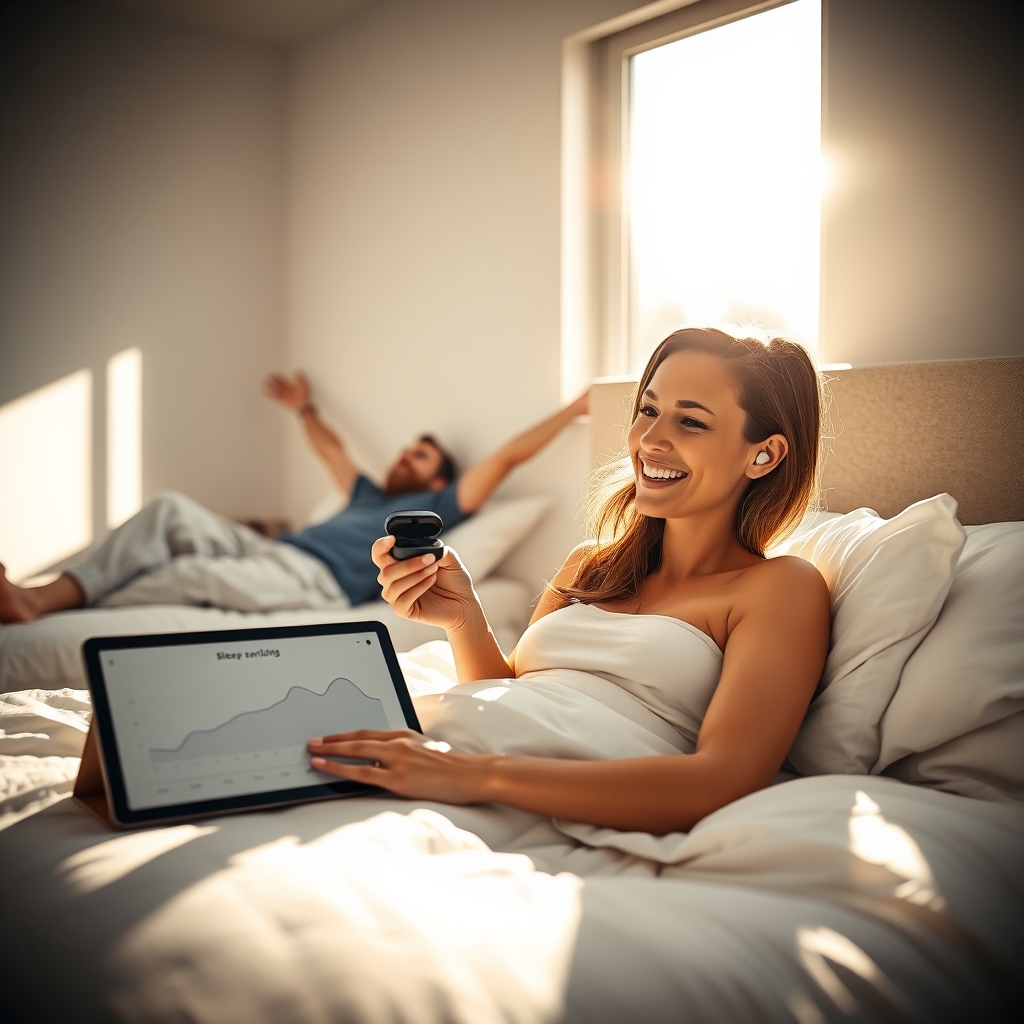
Lightweight, in-depth sleep data, customizable alarms within $125–$150. - Totu Sleep Earbuds
Best comfort for stomach/back sleepers
Unusually flat, extra small diameter, basic noise masking. - 1MORE ComfoBuds Z
Best low weight
Just 2.7g per bud, ultra-low profile, white noise only, about 8–10 hours battery.
Conclusion + call to action
Getting the best earbuds for sleeping is about more than audio—comfort, secure overnight fit, and real noise protection matter most. Don’t fall for audio spec hype; focus on secure ergonomics, practical battery, and features you’ll actually use. Remember to look for models that respect the three under-served shopper needs: deep sleep-tracking, adaptive fit for any sleep position, and fair-value sustainable pricing. Before you commit, read full reviews, put your top pick to the at-home sleep test for several nights, and choose a retailer with a generous return policy so you can confirm they’re right for your unique sleep needs. More feature-rich, comfort-focused sleep earbuds arrive every year—don’t settle for less if restful nights are critical for your well-being.
FAQ
Are sleep earbuds safe to wear all night?
Yes—most are safe for overnight use if you keep the volume low, clean the buds regularly, and alternate nights off to let your ears recover. Watch for signs of irritation or soreness, especially as a side sleeper.
Can sleep earbuds block loud snoring or street noise?
Premium models with hybrid passive and active noise control (like QuietOn or Sleep A30) do a better job than foam plugs or standard TWS earbuds. Total silence is rare, but most users find a major reduction that lets them fall asleep even with noise.
How long should the battery last on a single charge?
For most sleep earbuds, expect 8–10 hours of runtime with full ANC or streaming on, even if advertisements claim up to 14 or more. Always check real-world user reports before buying.
Is it better to use white noise or ANC (active noise cancelling)?
It depends on your noise sources. For unpredictable sounds (snoring, city streets), ANC helps most. For steady low-level noise, white noise playback is often enough—and easier on the battery.
Can any sleep earbuds track my sleep stages?
Only a handful offer real sleep-tracking (like Amazfit ZenBuds). Always read the fine print—many “sleep” features are just timers or white noise, not true sleep analytics.