

Zone 2 cardio training is rapidly becoming the evidence-based go-to for people who want fat loss and longevity gains without excessive strain or time-wasting fluff. Get a step-by-step, practical playbook backed by 2022–2024 clinical trials—plus real-world troubleshooting and tech picks to make your routine sustainable.
Key Takeaways
- Zone 2 cardio training, done at 60–70% of your max heart rate where you can talk but not sing, optimizes fat burning and boosts mitochondrial health for real longevity benefits.
- Clinical trials (2022–2024) show that just 30–60 minutes of Zone 2, 3–5 days per week, measurably cuts visceral fat and lowers insulin, and 11 minutes daily even reduces premature death risk.
- The biggest beginner pitfalls are using unreliable wrist heart-rate monitors, drifting intensity, and losing consistency—easy fixes include choosing validated tech and sticking to simple pacing cues.
- What is Zone 2 cardio and why it matters for fat loss and longevity
- How to start Zone 2 cardio: Step-by-step guide
- Advanced analysis & common pitfalls
- Conclusion
- FAQ
What is Zone 2 cardio and why it matters for fat loss and longevity
Zone 2 cardio training is steady-state aerobic exercise performed at a moderate, sustainable intensity—typically 60–70% of your maximum heart rate. It’s the level where you can still speak in full sentences, usually described as the “talk-but-not-sing” zone. Unlike high-intensity interval training (HIIT), Zone 2 specifically trains your aerobic system and mitochondria, leading to more efficient energy use and improved fat oxidation.
This style of training has gained traction because clinical evidence from 2022–2024 proves direct links between Zone 2 and reduced visceral fat, improved insulin sensitivity, and increased mitochondrial density—all factors that contribute to longer, healthier lives. Unlike HIIT, which spikes calorie burn but can be tough on joints and recovery, Zone 2 delivers sustainable result with lower injury risk. You get all the core health upsides without the burnout.

Zone 2 training also improves metabolic flexibility—your body’s ability to switch between burning fats and carbohydrates for fuel. This is essential for fat loss and is strongly linked with healthy aging and disease prevention [1]. If your goal is sustainable fat loss and maximizing your healthspan, Zone 2 offers a simple, science-backed tool that works for nearly everyone.
See related: Top L-Carnitine Supplement Benefits for Fat Metabolism
How to start Zone 2 cardio: Step-by-step guide
Ready to transform your weekly cardio into a longevity gamechanger? Here’s exactly how to do Zone 2 cardio for longevity and fat loss, with troubleshooting tips built in:
- Pick your activity. The “best” Zone 2 exercise is the one you enjoy and will repeat. Walking, cycling (spin or traditional), elliptical, swimming, and brisk hiking are all perfect. Optional: rotate activities to prevent boredom.
- Determine your Zone 2 heart-rate range. Use the simple formula: Zone 2 = 60–70% of your max HR. Estimate max HR as 220 minus your age (but individual variation means some may need to adjust by feel). For a 45-year-old: 220–45=175 bpm. Zone 2 = 105–122 bpm.
- Double-check your intensity using the “talk test.” Can you speak in full sentences, but could not sing? You’re likely in Zone 2. If you can barely catch your breath, ease up.
- Warm up for 5–7 minutes in an easy pace (Zone 1). Then settle into your target Zone 2 range for 30–60 minutes.
- Track your session with a validated monitor. Chest straps or optical arm monitors are most accurate [4]. Budget wrist heart-rate monitors may lag or misread at lower paces (see troubleshooting below).
- Finish with a 5-minute cooldown. Drop intensity until breathing is easy again.
- Repeat 3–5 times per week for best results. Beginners might start with 20–30 minutes per session and build up to full length as fitness improves.
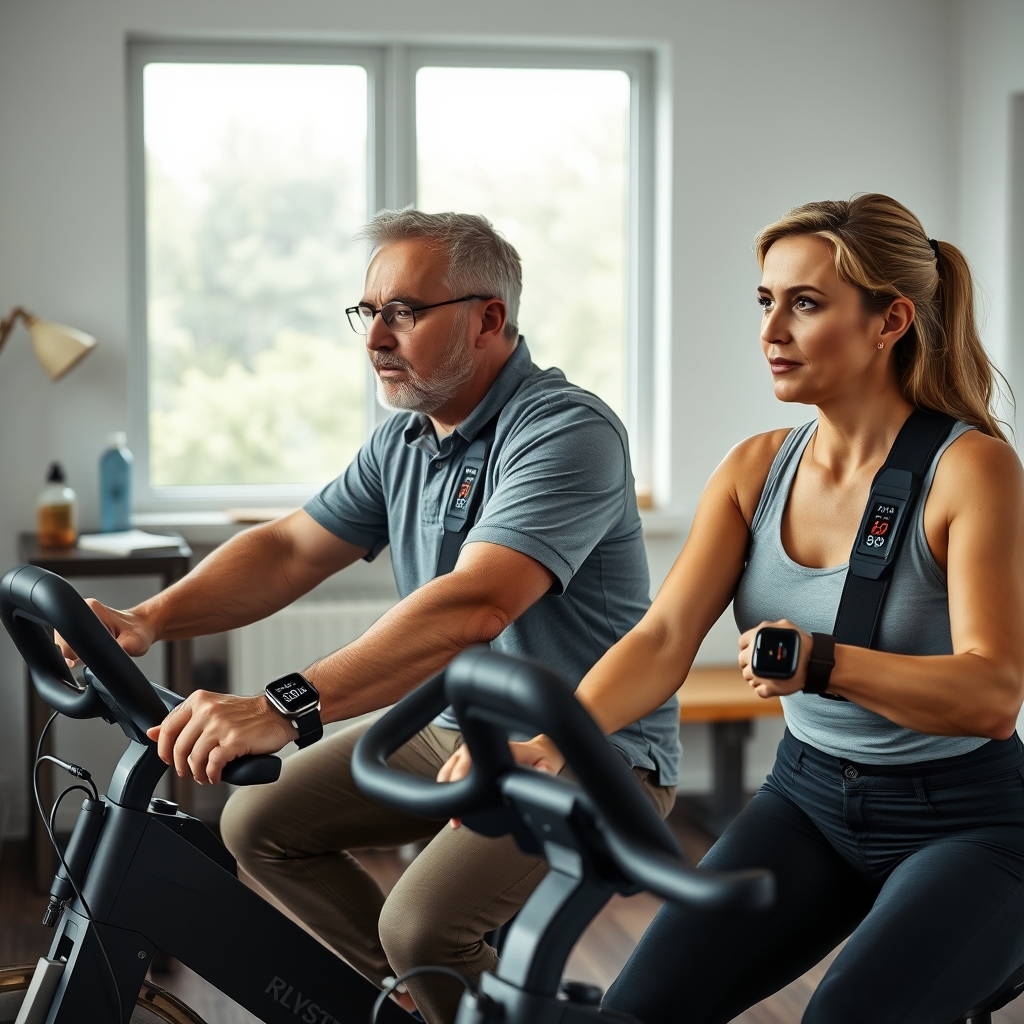
Sample weekly plan templates:
- Beginner: 3 sessions per week, 20–30 minutes each in Zone 2, with 5 minutes warm-up and cooldown.
- Intermediate: 4 sessions, 40–50 minutes each.
- Time-crunched: 5 sessions, 15–20 minutes (target quick walks, cycling, or rowing ERG—quality over quantity).
Research shows even 11 minutes per day can lower premature death risk by about 14% [3].
Track baseline waist size, body composition (if possible), and resting heart rate—then recheck at 8 and 12 weeks. Expect fat-loss and health results within this timeframe if consistent.
For more daily recovery tools, check out the proven sauna blanket recovery guide and science-backed supplements for longevity.
Advanced analysis & common pitfalls
Many Zone 2 newbies trip up—not due to willpower, but because measurement and pacing are tougher in real life than they look on paper. Here’s what evidence and real user reports show:
- Wrong intensity: Many train too hard, drifting into Zone 3 or above, especially on group rides/runs or when using inaccurate trackers. This negates the targeted mitochondrial benefits.
- Unreliable wrist heart-rate monitors: Cheaper fitness bands and smartwatches often miscalculate HR, especially for darker skin tones or during chilled weather. Chest-straps or validated arm monitors are far superior for steady-state cardio [8].
- Talk test misreadings: Some users find the talk test too subjective—it can’t reliably detect small zone differences, especially as fitness grows.
- Routine inconsistency and boredom: Lifeschedules or monotony can destroy adherence. Mixing activities and scheduling fixed “appointments” can help.
- Overemphasis controversy: Some critics argue Zone 2 alone may not maximize mitochondrial capacity for all users [2], suggesting occasional intensity variation or strength work is crucial for whole-body health.
- Neglecting strength and HIIT: Over-focusing on Zone 2 may leave muscle or VO2max improvements on the table. A mixed approach is best.
| Beginner Problem | Result | Exact Fix |
|---|---|---|
| Using wrist HR monitor | Erratic readings, improper intensity | Upgrade to chest strap (e.g., Polar H10, Garmin HRM-Dual) |
| Drifting into higher intensity | Losing Zone 2 mitochondrial benefits | Set 5-min pace/HR reminders, adjust speed/resistance downward |
| Talking test is unclear | Hard to stay precise, frustration | Pair with HR + subjective “easy but focused” effort; reassess every month |
| Skipping warm-up/cooldown | Fatigue, higher injury risk | Set calendar reminders for both |
| Losing motivation/boredom | Inconsistent routine, plateau | Alternate between walking, cycling, hiking—add podcasts/music |
Keep in mind, tracking progress is more than weighing yourself. Use waist size, resting HR, or visceral fat measurements if you can. Improvements may show in 6–12 weeks, but mitochondrial and metabolic changes often occur before visible changes do.

Want to go deeper on supporting metabolic adaptation and fat metabolism? Check out the step-by-step metabolic health diet guide and cold plunge recovery strategies.
Conclusion
Recent clinical evidence is clear: Zone 2 cardio training, when performed correctly and consistently, is one of the simplest and safest ways to cut fat, boost healthspan, and support healthy cellular aging. The main requirements? Target 60–70% of your max heart rate, use reliable measurement tools, and stick to 3–5 weekly sessions. If you want practical, science-based fat loss with true longevity impact—without burning out—Zone 2 cardio training should anchor your fitness week.
Ready to start? Pick your activity, set your Zone 2 range, and schedule your first week of evidence-based sessions. Your mitochondria—and future self—will thank you.
FAQ
How do I know I’m really in Zone 2?
Use a reliable heart-rate monitor and aim for 60–70% of your maximum heart rate. The “talk test” helps: if you can talk in full sentences but can’t sing, you’re likely there. For extra accuracy, periodic chest-strap HR checks are best.
What’s the best cardio for Zone 2?
Any rhythmic exercise works: brisk walking, cycling, elliptical, rowing, swimming, or incline treadmill. Pick what fits your body and schedule. Consistency is more important than exercise type.
How many minutes per week do I need for results?
Research shows 90–180 minutes per week (about 3–5 sessions of 30–60 minutes) delivers measurable health and fat-loss benefits. Even 11 minutes per day lowers mortality risk by 14%.
Should I do only Zone 2—what about strength or HIIT?
No—Zone 2 is the backbone, but blending in strength training and occasional HIIT provides balanced results for muscle, bone, and full metabolic health.
What’s the fastest way to track progress beyond the scale?
Measure waist size, resting heart rate, and time-to-steady HR/pace. If possible, track visceral fat changes with scans or monitor fasting insulin/glucose as indirect indicators.