

Looking for a folding treadmill small space solution that actually fits your life? Here’s the realistic, actionable guide urban renters and small home owners need in 2024. We cover what matters: real-world footprints, noise, portability, and ongoing costs—so you can avoid buyer regret.
Key Takeaways
- The best folding treadmill small space picks balance folded thickness, weight, noise, and running suitability rather than just top speeds or screens.
- Under-bed and closet fit are limited by folded height (ideally ≤5 in), and most compact foldable treadmill models are only suitable for walking or light jogging.
- Ongoing costs—including apps, subscriptions, and parts—add up. Always review maintenance, warranty, and recurring fees before you buy.
- Market snapshot: why folding treadmills for small spaces matter in 2024
- Typical buyer needs & real tradeoffs
- Most common user complaints and how to avoid them
- Side-by-side dimensions, weight and noise comparison of top compact models
- Which models are best for ultra-small living areas
- Price tiers (2024): what buyers get at each range
- Three crucial aspects competitors overlook
- 2024 technological & design advances to highlight
- Warranty, assembly and long-term durability
- Practical buying checklist
- FAQ / buyer scenarios
Market snapshot: why folding treadmills for small spaces matter in 2024
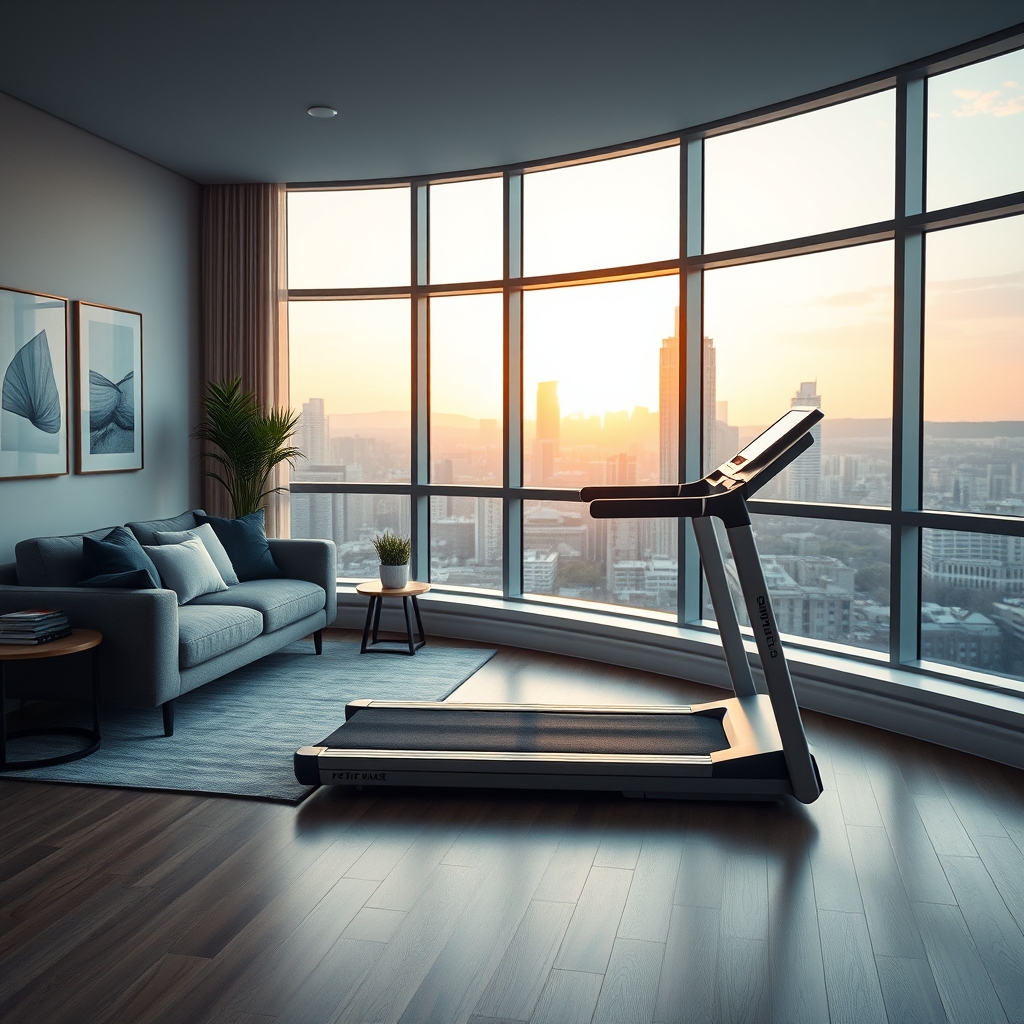
The folding treadmill small space market is booming. In 2024, the global home fitness folding-treadmill segment reached around USD 2.8 billion and is projected for USD 4.7 billion by 2033, growing at a 5.9% annual rate[1]. Much of this growth comes from North American buyers (≈US$1.1 billion in 2024) who increasingly live, work, and exercise in apartments or compact homes. Manufacturers now compete with ultra-compact, mid-range models that promise easy storage, low-noise operation, and minimal setup—but not every model delivers where it matters most for small-space living.
Typical buyer needs & real tradeoffs (what small-space buyers should prioritize)
If you’re looking for a compact foldable treadmill, it’s tempting to only check top speeds or Bluetooth features. But city renters and condo owners have to prioritize these:
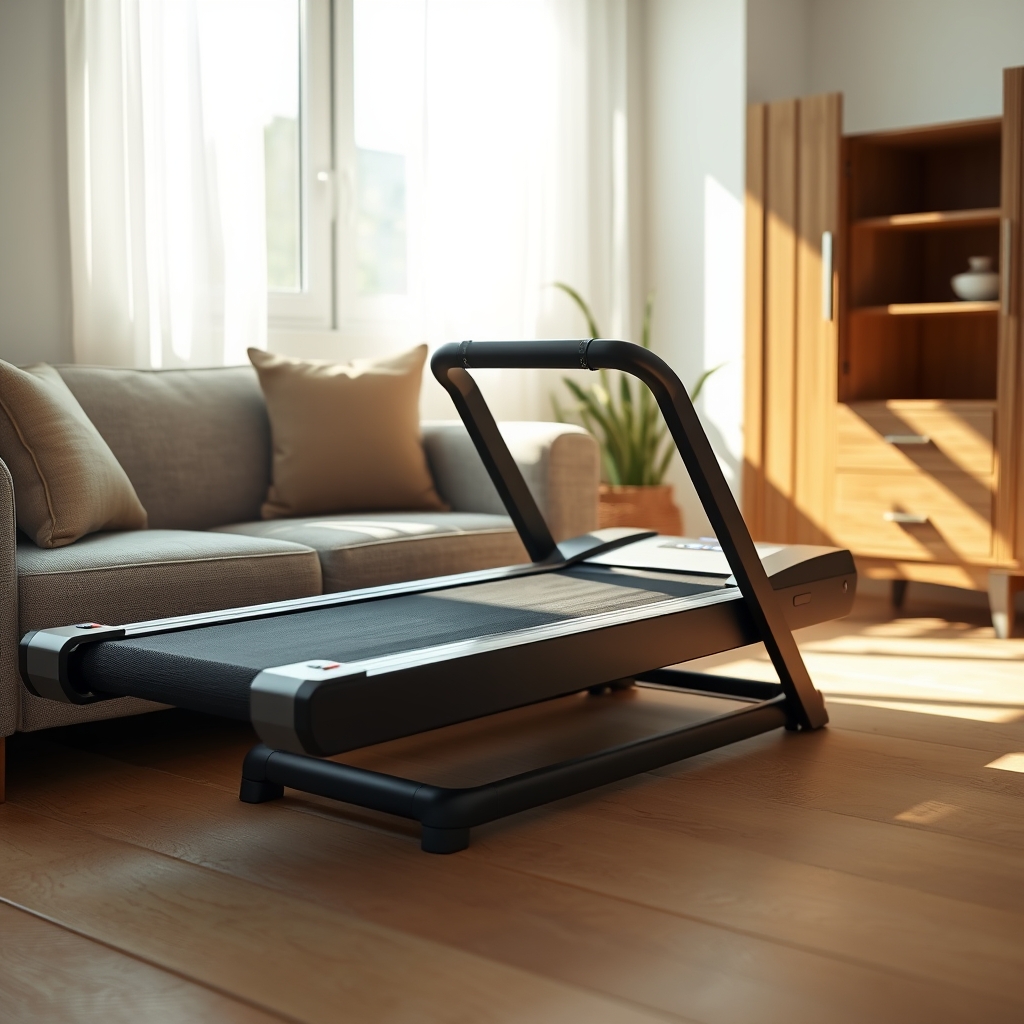
- Folded footprint and thickness — Will it slide under your bed (≤5 in is ideal for most beds, e.g. WalkingPad C2 at 4.5 in)? Closetable? Or too bulky?
- Usable deck length — Many “compact” models only have a 47–60 in running surface. For walking, 45–55 in is fine. For running, you need minimum 55–60 in.
- Noise output — Treadmills range 55–70 dB. For apartment use, <60 dB is safest, but you may still want a mat to muffle vibration.
- Weight vs portability — True walking pads can weigh ≈60–90 lb. Full-featured foldable treadmills can hit 200–300 lb—hard for one person to move without damage.
- Durability tradeoff — The lighter the frame, the less stable the feel, especially for regular running.
According to recent data, consumers flock to models that juggle these tradeoffs—the biggest pain points cited are folded size versus usable deck length, and overall weight versus durability[6].
For extra quiet workouts, place a rubber mat (not just a rug) beneath the treadmill. This can reduce vibration transfer by up to 5 dB, which may keep your landlord happy. For deeper tips, see our full apartment gym guide.
Most common user complaints and how to avoid them
- Too heavy or hard to move: Many “compact” treadmills still weigh 70–220 lb—more if hydraulic lifts or large decks are included. If you need to move it often, check for built-in rollers, or invest in a furniture dolly.
- Flimsy folding, durability concerns: Low-cost units often use lightweight hinges or plastic locks prone to wobble. Always check buyer reviews for “sturdy” or “feels solid.”
- Short deck length: A 45–50 in deck may feel cramped for anyone over 5’7” or for light jogging. Test in-store if unsure. Some models can’t support a true running stride.
- Noisy motors: Expect 60–70 dB in many models. Anything noisier risks disturbing neighbors. Ask for real decibel data, not marketing language alone.
- Surprise subscription or app fees: Many premium features (workouts, tracking, classes) are locked behind monthly fees. Confirm you can access manual mode, or choose a treadmill with built-in workouts.
Most complaints cluster here: excessive weight (70–300 lb), limited running surface (≈55–60 in on mid-range units), and recurring app subscriptions[3]. If you know you need to store your treadmill flat and quietly, models like WalkingPad C2 or Echelon Stride-6 are consistently top-rated.
| Model | Unfolded Dimensions (in) | Folded Thickness (in) | Weight (lb) | Noise (dB) | Best Use |
|---|---|---|---|---|---|
| WalkingPad C2 | 55 × 20 × 5 | 4.5 | 62 | 55–57 | Under-bed, walking |
| Echelon Stride-6 | 71 × 32 × 58 | 7 | 85 | 65–68 | Flat-fold, walk/jog |
| Horizon T101 Connect | 70 × 31 × 58 | 7 | 78 | 68–70 | Small space, incline/walk |
| Sole F80 | 74 × 35 × 59 | 44 × 35 × 48 (folded) | 220 | ~70 | Jogging, large deck |
Want more noise and durability tips? See our in-depth comparison in the Runner’s World folding treadmill review.
Which models are best for ultra-small living areas (clear recommendations & use-cases)
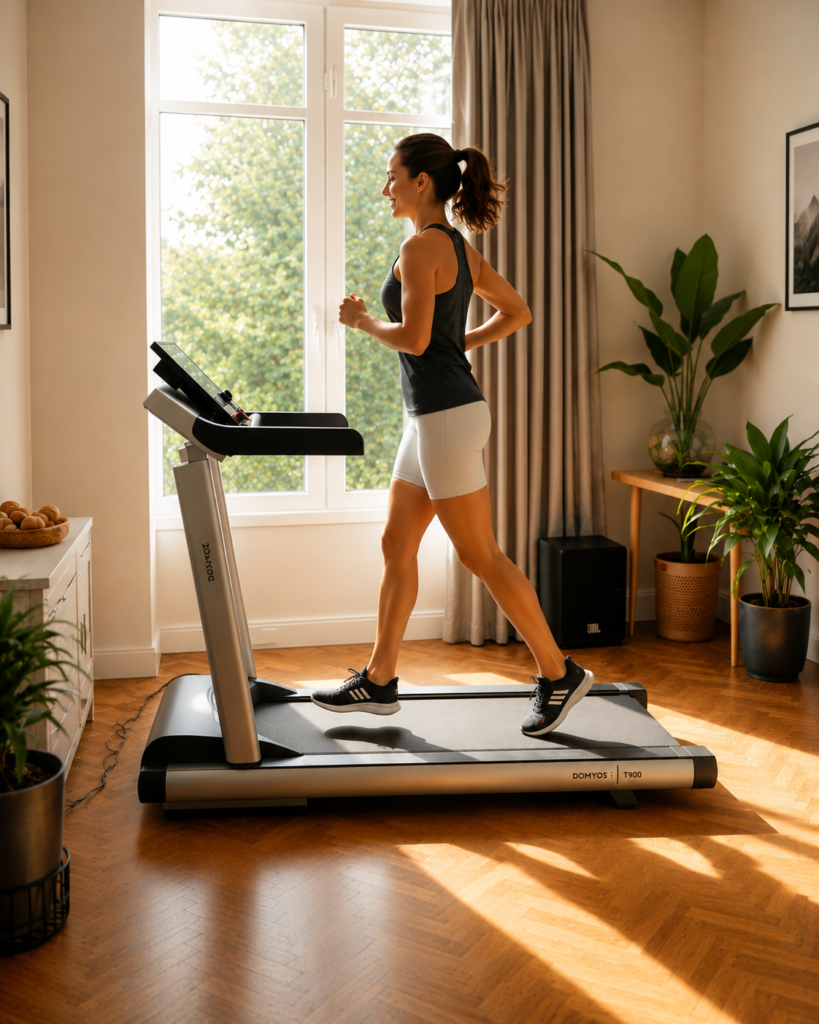
For genuine under-bed or closet storage, WalkingPad C2 is the clear pick: it’s under 5 in thick when folded, weighs 62 lb, and is under 57 dB at walking speeds. Need to jog and want fast, true flat-folding? The Echelon Stride-6 works well, fits in most closets, and requires no assembly. The Horizon T101 Connect delivers incline workouts at a true entry price (often below $1,000)—but at 7 in folded, may not slide under low beds. Avoid heavy, full-size foldables like the Sole F80 if you’ll need to move or store the unit often, as it weighs over 200 lb.
- Ultra-small apartment walkers: WalkingPad C2
- Flat-fold, light jogging, easy storage: Echelon Stride-6
- Budget walking with incline: Horizon T101 Connect
- Serious joggers with permanent setup only: Sole F80
In multiple 2024 expert reviews, the WalkingPad C2 and Echelon Stride-6 receive the highest ratings for ultra-small apartments due to their minimal folded footprint, lighter weight, and lower apartment-friendly noise[5].
For a full home fitness solution, you may also want to see our compact home gym for small space setup guide.
Price tiers (2024): what buyers get at each range
Prices in 2024 break into clear tiers, each with different feature sets and tradeoffs:
- Ultra-budget walking pads: Basic walking (not jogging), typically minimal warranty. Examples: DeerRun A1 Pro (~$269), WalkingPad C2 ($400–500).
- Entry foldables for walking/light jogging (sub-$1,000): Horizon T101 Connect routinely under $1,000—adds Bluetooth audio, incline, and more solid deck.
- Mid-range compact foldables ($1,000–$1,700): Echelon Stride-6 ($1,700, often found on promo)—adds real running capability, assembly-free design, usually higher user weight limit, better apps.
- Premium foldable treadmills ($1,500–$2,000+): Larger decks, higher speed/incline, often heavier and less portable. Example: Sole F80.
Looking for other space-saving options? See our guides to folding squat racks and wall-mounted cable machines.
Three crucial aspects competitors overlook (opportunity to stand out)
- Relocation logistics & floor protection: Many units are 70–300 lb; skimping on moveability risks injury or floor damage. Glide pads or small dollies are essential for renters.
- Realistic workout suitability: “Compact” sometimes means a deck too short for running. If running is your goal, demand at least 55 in deck and confirm maximum weight support.
- Ownership costs: Recurring app fees, replacement belts, service calls, and neighbor noise rules often go unmentioned. Always ask about manual mode, warranty coverage, and average yearly upkeep.
These overlooked issues can easily make or break your satisfaction. Our full incline treadmill for home guide covers even more on this.
2024 technological & design advances to highlight
What’s new for 2024? The latest compact foldable treadmill models integrate several buyer-friendly upgrades:
- 2-in-1 deck and console folding: Models like the WalkingPad R2 Pro fully collapse both deck and console, allowing the entire treadmill to fit under a bed or sofa.
- Quieter belt and improved motors: Many new walking pads keep noise below 60 dB. Look for units advertising “quiet drive” or “whisper belt.”
- Improved Bluetooth/app ecosystems: Broad app support, Apple Health/Android integration, and basic interval programs (sometimes free even if classes are not).
- Flatter, lighter storage: Under-5-inch folded thickness is now possible on several walking/jogging models, not just high-priced units.
- Hybrid under-desk options: Some new models can be used as a walking pad under a desk or as a standing treadmill with console in place.
For small-space users, 2-in-1 deck folding and under-bed fit are the advances that matter most. If you need quiet, low-profile walking, these new designs are a genuine step forward.
Warranty, assembly and long-term durability — what to verify before you buy
- Assembly requirements: Some treadmills arrive pre-assembled (e.g., Echelon Stride-6), saving time—and frustration—especially in small hallways. Others require full frame setup and deck alignment, which can be daunting in small homes.
- Warranty lengths and coverage: At a minimum look for 1-year parts and labor, but 5–10 years on frame is best. ProForm Carbon TLX (10-year frame/1-year parts) sets the standard. Short or very limited warranties are usually a red flag.
- Known durability issues: Watch for “flimsy folding” complaints—some Horizon and Sole F63 models have reported weaker folding hardware. Always shake the folded treadmill in-store—if it wobbles, skip it.
Insist on reading the full warranty before purchase. Ask about replacement part availability and service turnaround times as well.
Practical buying checklist (measure, test, and negotiate) — action items
- Measure your intended storage space—including clearance for handles or risers. Most true under-bed fits require a folded height ≤5 in.
- Confirm the treadmill’s actual folded thickness (not just width/length from the product photo).
- Test the deck length and noise (in-store or via videos). WalkingPad C2 is about 4.5 in thick folded, ≈62 lb, and maxes at ≈57 dB.
- Ask about app/subscription cost and whether you must pay to unlock manual mode or stats. Some brands charge $180–$240/year for app access.
- Plan for moving/assembly—most treadmills weigh 70–300 lb. If upstairs, request “inside delivery” or moving help.
- Verify warranty details (frame, parts, labor) and ask about long-term parts availability.
See our full space-saving tips in home gym flooring and compact home gym guides.
Short FAQ / buyer scenarios
I just need a treadmill for walking under my desk—what should I buy?
The WalkingPad C2 is a true under-bed and under-desk walking pad. At around 62 lb, under 5 in folded height, and 55–57 dB, it’s extremely easy to slide out, use, and store—even in tiny rooms.
I want to be able to jog in my apartment (and move the treadmill occasionally). What’s my best option?
The Echelon Stride-6 offers a longer deck and truly flat-folding design without assembly. It weighs ≈85 lb, supports joggers, and can stand upright in most closets.
My budget is tight, but I want incline and streaming music—can I get that under $1,000?
The Horizon T101 Connect delivers Bluetooth audio and basic incline, often below $1,000. It’s heavier and a little thicker folded (7 in), so check your closet/bed clearance before buying.
I’ve inherited a large, heavy treadmill—and I want to reclaim my living room. Any tip?
For treadmills over 200 lb (like the Sole F80), invest in furniture sliders and a friend’s help before moving. If you won’t run regularly, selling and getting a compact model may save your space (and your back).
Should I worry about recurring costs with compact foldable treadmills?
Yes. Many models charge for premium workout apps (up to $20/month). If you don’t care about live classes, look for treadmills with free manual mode or built-in routines. Also, budget for occasional belt lubrication and potential part replacement after a few years.
Conclusion
Choosing a folding treadmill small space solution means measuring more than just price and motor specs. Prioritize folded thickness, total weight, deck length, and real noise data, and clarify any hidden costs before you buy. For under-bed walkers, the WalkingPad C2 is best. Runners who need compact, flat-fold storage should consider the Echelon Stride-6. For all-round value, Horizon T101 Connect balances budget, durability, and useful features. Don’t forget—your ideal fit is the one that supports your real-life space, habits, and goals. Ready to reclaim your living space and hit your fitness targets? Measure, compare, and make your small-space treadmill purchase with confidence.