

Wall mounted cable machine buyers are shaking up the home gym world thanks to this compact, permanent strength solution—but should you actually install one in your space? This guide breaks down space, cost, durability, and real tradeoffs vs. bigger floor-standing options so you’ll know exactly what to expect before you drill into your walls.
Key Takeaways
- Wall mounted cable machine save huge amounts of floor space and cost less than commercial towers but trade off some capacity and long-term robustness.
- Proper installation is critical—most drawbacks stem from wall strength, mounting hardware, and user error, not the pulley system itself.
- Routine maintenance is minimal, but some cable and pulley parts are lower grade than those in full-scale gym machines. Know how to inspect and when to replace them.
- Quick take — is a wall mounted cable machine right for you?
- Step-by-step: Buy, prepare, and install with confidence
- Advanced analysis & common pitfalls
- Conclusion
- FAQ
Quick take — is a wall mounted cable machine right for you?
If you own your home and have solid wall studs or concrete, a wall mounted cable machine is the most space-efficient and budget-friendly way to get functional strength workouts at home. Renters or those with weak, non-load-bearing walls should avoid permanent installation. Expect to trade off some load capacity and possibly durability compared to beefier freestanding trainers. As recent market research confirms: “The wall-mounted version is a compact, budget-friendly solution for limited-space homes but with trade-offs in load capacity, installation effort and long-term robustness.” [Source]
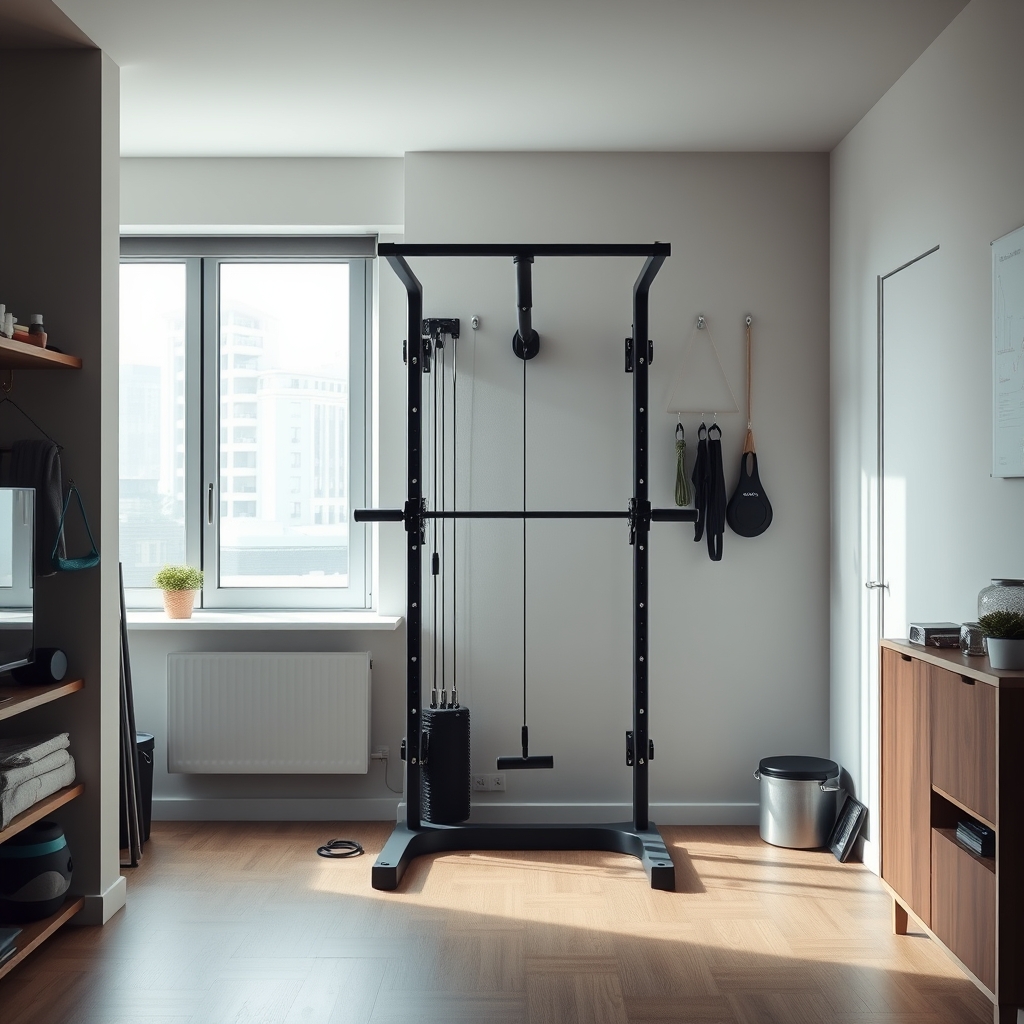
Wall-mounted machines eliminate floor footprint, but require you to drill into your wall and carefully align anchor points. Expect weight stacks or plate pegs supporting 150–200 pounds (well below the 300 to 500 pounds offered by traditional cable crossovers). Still, for moderate-weight, versatile training, a wall mounted system hits the sweet spot for many.
Step-by-step: Buy, prepare, and install with confidence
1. Confirm your wall type and location.
Use a stud finder (or tap test) to confirm you have solid, load-bearing 2×4 or 2×6 wood studs spaced at 16 inches on center (or masonry). Avoid installation on thin drywall or non-load-bearing interior walls. Leave 18 inches or more of clear space on both sides and above for full cable range.
2. Choose your model and verify capacity.
Models like the Titan Wall Mounted Pulley Tower are best for those who need zero floor footprint and permanent access. The Valor Fitness Wall Mount Cable Machine (which is actually floor-standing and renter-friendly) is a better pick if you want portability and can commit floor space. As buyers have noted, “The Valor Fitness … costs roughly $200–$250 and takes up about 4 x 2 feet of floor space.” [Source]
3. Gather tools and hardware.
Most kits include basic lag bolts or masonry anchors, but some DIYers upgrade to commercial-grade lag shields or Hilti anchors. You’ll need: impact driver, socket set, long level, stud finder, and possibly a torque wrench. Always wear goggles and gloves for safety.
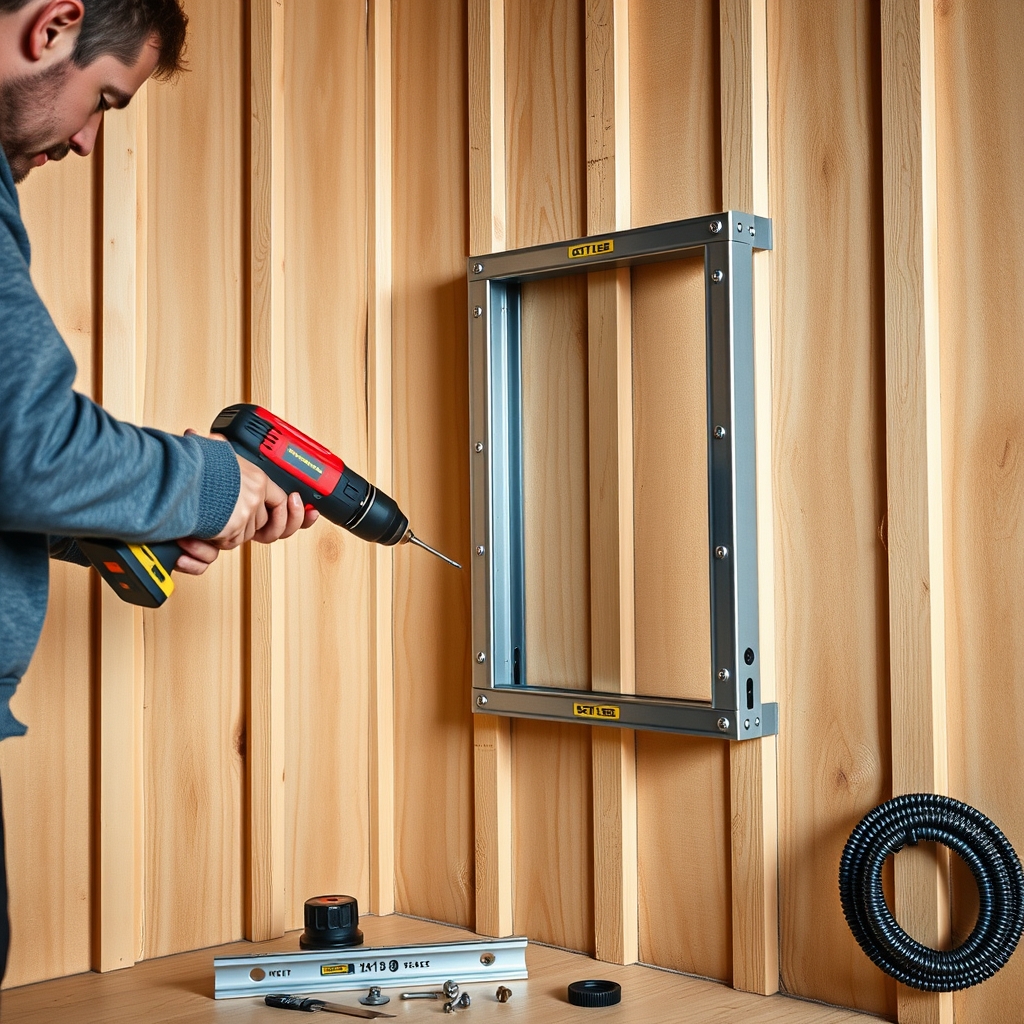
4. Install and torque down anchors.
Anchor through both the top and bottom mounting plates into solid structure, using all mounting points. Do not rely on drywall, plaster, or toggle bolts alone\u2014they will fail under dynamic loads. Double-check that all bolts are tightened to spec.
5. Check for code compliance and safety.
If you’re a small gym operator or business, consult local code for mounting height, emergency clearances, and liability releases. Homeowners should leave 18 inches clearance above the highest pulley for cable movement and user arms.
6. Load test and adjust.
Hang your maximum intended weight on each pulley, then slowly test full range of motion for movement smoothness and any unexpected wall flex. Retorque all bolts after one week of use.
Routine Maintenance: “The only maintenance has been wiping down the cable with a dry cloth monthly. No lubrication needed yet.” [Source]
Advanced analysis & common pitfalls
Despite skyrocketing popularity, most negative reviews of wall mounted cable machines cite real, actionable issues:
| Feature | Wall Mount Cable Pulley System | Freestanding/Functional Trainer |
|---|---|---|
| Footprint | Zero floor space (wall only) | 4-8 ft x 2-4 ft (floor dedicated) |
| Weight Stack | 150–200 lbs (2:1 ratio halves real resistance) | 300–500 lbs (true 1:1 or selectorized) |
| Installation | Drill/anchor to wall; precise stud finding, can’t move easily | Just assemble and position |
| Durability & Feel | Some cable wear, pulley friction, low-grade materials—inspect quarterly | Commercial-grade, generally smoother, fewer issues |
| Noise | Potential for noisy/gritty pulleys | Minimal if maintained |
| Cost | $200–$500 base, plus install/anchors | $750–$2500 and up |
Key pitfalls and how to avoid them:
- Stud/anchor misses — Most negative reviews cite the need for precise stud-location drilling, heavy-duty anchors, and sometimes professional help. Avoid by mapping and marking before you drill, or hiring a contractor if unsure.
- Premature cable/pulley wear — Lower-grade nylon or thinner-gauge steel can wear in 1–3 years. Keep cables clean; if pulleys feel gritty or noisy, inspect for debris or bearing failure.
- Limited resistance/adjustability — The typical 2:1 cable ratio means you feel half the weight you load. Unless you’re a heavy lifter, this is enough for most, but serious strength athletes may find it limiting. For expanded tips, see the full comparison at Garage Gym Reviews.
- Noisy operation or wobble — Over-tight or misaligned pulleys rattle or squeak; the machine can feel less stable if not torqued evenly or mounted across at least 2 studs or solid concrete.
- Permanence & transferability — Moving the system (for home moves or gym remodels) requires patching holes or, in some cases, replacing damaged wall sections. As personal trainers have shared, “This can be a laborious and expensive task for larger models.” [Source]
Many failings are directly tied to improper install or underestimated real-world use. Commercial small gyms considering a wall mount cable pulley system should always check local code for mounting, spacing, and insurance compliance, not just capacity.
Conclusion
For space-conscious homeowners and small studio operators who want constant strength access without losing floor space, a wall mounted cable machine is a strong value — but only when mounted correctly and used within its limits. As research confirms, these systems offer “a compact, budget-friendly solution for limited-space homes but with trade-offs in load capacity, installation effort and long-term robustness.” Always use our checklist below for purchase and install, and revisit this guide for troubleshooting and upgrades as your needs grow.
Ready to reclaim your floor space? Check your wall, choose your cable system, and follow every install and maintenance step from this guide.
Installation & Safety Checklist
- Wall assessment: Confirm load-bearing wood or masonry.
- Clearance: Minimum 18″ side/top around cable path.
- Anchors: Use all mounting holes across at least 2 studs or in solid concrete.
- Torque: Confirm all hardware meets manufacturer tightness specs.
- Test: Hang max intended weight and check for smooth full-range motion and no wall flex.
- Code: If commercial, check local codes for mounting and safety clearances.
- Maintenance: Wipe cables monthly; replace at first sign of fraying or pulley grinding.
FAQ
Are wall mounted cable machines noisy?
With correct install and monthly wipe-down, most models are relatively quiet. Noisy, gritty pulleys point to dust/debris or bearing wear; clean and replace as needed.
Can I move my wall mount cable pulley system if I relocate?
Possible, but not easy. Moving requires unbolting, patching the wall, and possibly replacing some hardware. For renters, consider a portable, floor-standing option like Valor Fitness.
Can I increase resistance beyond the stock weight stack?
Some models let you add Olympic plates or use band pegs. Check accessory compatibility, but always stay within the manufacturer’s rated max load for safety.
Is it safe to install in a garage with high humidity?
Yes, but wipe down cables monthly and inspect for surface rust or pulley grit. For severe environments, choose stainless or coated cables where possible.
What maintenance do I need to perform?
Wipe cables with a dry cloth monthly, check pulley bearings and anchor hardware quarterly, and replace parts at first sign of wear. No lubrication is usually required if the system is kept clean.
Further reading:
- Explore 7 Powerful Benefits of L-Carnitine for Muscle Recovery for tips on post-gym care.
- See a Proven Guide to Sauna Blanket Benefits for at-home recovery hacks.
- Check out 7 Best Ways to Protect Hair with Hard Water Shower Filters—especially important if you train in a garage gym.
- Improve your sleep schedule to recover faster from those cable workouts.
- Looking to strengthen even more? Review Creatine For Women: 7 Amazing Ways to Build Strength Fast.
External market & durability research: Titan Wall Pulley Review, BarBend Cable Machine Guide, Jungle Gym Reviews.