

Creatine for women has quickly become a hot topic, especially for women over 40 seeking safe, effective ways to improve muscle tone, protect bones, and keep their minds sharp. But is it actually worth considering for busy, health-conscious women? Here’s what new research says—and exactly how to approach creatine in a realistic, evidence-based way. Clear benefits, smart precautions, and no hype—just straight facts with your unique needs in mind.
Key Takeaways
- Recent trials from 2021–2024 show that daily creatine monohydrate (3–5 g) boosts strength, lean mass, and may support bone and brain health for women, including those over 40.
- Most healthy women can safely use creatine, but you should consult your doctor if you have kidney issues or take nephrotoxic medications (like NSAIDs, ACE inhibitors, or certain osteoporosis treatments).
- Expect realistic, modest lean-mass gains (1–3 kg) and 5–15% strength improvements in 8–12 weeks when combining creatine with resistance training.
- Quick summary — Should women consider creatine?
- What is creatine — a simple explanation for non‑athletes
- Why muscle matters after 40 — the problem creatine helps solve
- Measurable benefits for women (strength, lean mass, power)
- Beyond muscle — bone health, cognitive support, and menopause relevance
- Safety summary — who can take it, and who should check with a doctor
- Side effects & how to avoid them (practical troubleshooting)
- Medications and conditions to check for — practical interaction guide
- How to take it — dose, form, timing, and practical tips
- Costs, brands, and what to buy in 2024 (buyer’s checklist)
- Realistic timeline & what to expect — 8–12 week plan
- Top 3 myths competitors often miss (short Q&A)
- Real stories & evidence — examples to humanize the data
- Quick checklist — is creatine right for you?
- Resources & citations
- FAQ
Quick summary — Should women consider creatine?
Yes: most healthy women—including those over 40—can benefit from creatine supplements. The well-established creatine monohydrate research shows that daily doses of 3–5 grams of creatine monohydrate are both effective and extremely safe for healthy adults. This guide will empower you with real benefits, potential risks, step-by-step instructions, tips for medication interactions, and smart myth-busting—so you can make an informed, evidence-based decision.

What is creatine — a simple explanation for non-athletes
Creatine is a natural compound found in your muscles and brain, helping your body regenerate the main fuel for quick energy bursts—ATP. For women (not just male athletes), it means supporting every day movements, workout performance, and muscle maintenance, especially as you age. Research consistently shows creatine for women increases strength and power in both genders, not just men (Healthline 2021). Because women naturally have slightly lower muscle creatine stores, supplementation may offer even more meaningful improvement—especially after 40, during menopause, or for those starting resistance training.
Why muscle matters after 40 — the problem creatine helps solve
Starting in your 30s—and picking up speed after 40—women lose about 3–8% of muscle mass each decade, a process called sarcopenia (Ubie Health). This is even more pronounced after menopause, since estrogen (which protects muscle, bone, and repair capacity) drops rapidly. Less muscle means higher risk of frailty, weight gain, bone fragility, and slower metabolism.
Measurable benefits for women (strength, lean mass, power)
Here’s what you can realistically expect from adding creatine to a smart routine:
- Strength gains: 5–15% improvement on average (bench, squat, leg-press).
- Lean mass: 1–3 kg increase in 8–12 weeks—more “toned,” not bulky.
- Sprint and high-intensity performance: 10–20% faster on intervals or workouts.
A recent 2025 review also found that women often see the most noticeable results when combining creatine with resistance training programs after 40. Internal note: If you’re looking for other ways to improve recovery, learn about L-Carnitine here.
Beyond muscle — bone health, cognitive support, and menopause relevance
More than just muscle, creatine helps address bone and brain health, crucial for women during and after menopause. Several studies (Creatine for Health 2025; Frontiers 2025) have documented supportive effects on:
- Bone health markers (reduced bone breakdown, even with osteoporosis drugs).
- Brain health—less fatigue, better cognition (especially during sleep loss or menopause transition).
Creatine for women over 40 can offer modest but real resilience against age-related declines. For other ways to keep your brain sharp, check out our gut-brain axis guide.
Safety summary — who can take it, and who should check with a doctor
Creatine’s safety profile is robust and well-documented. Large trials and systematic reviews up to three years show no adverse effect on kidney, liver, or cardiovascular function in healthy people (PMC 2021). Key groups should consult their doctor first:
- Anyone with chronic kidney/renal disease (past or present)
- Those using nephrotoxic medications (NSAIDs, some blood-pressure meds, certain osteoporosis drugs, high-dose diuretics)
- Women with severe thyroid disorders
If you’re starting other new supplements or on complex regimens, see our longevity supplements guide for more.
Side effects & how to avoid them (practical troubleshooting)
Most women experience few or very mild side effects. The most common (and temporary) are:
- Slight, short-term weight gain or “puffy” feeling from added water in muscle
- Occasional stomach discomfort (bloating, nausea), especially above 5 g or without enough water
- Rare: muscle cramps, allergic reactions, or digestive upset (often due to poor product quality or filler ingredients)
To avoid issues: stick to 3–5 g daily, use pure creatine monohydrate, split your dose with meals if you’re sensitive, and drink extra water on workout days. If in doubt, check out our metabolic health diet tips.
Medications and conditions to check for — practical interaction guide
This is the step that most competitor guides miss. If you’re on any of the following, ask your healthcare provider for a quick review before starting creatine for women:
- Kidney-related drugs or known kidney issues: Creatine can increase the kidney’s workload. Nephrotoxic meds (like NSAIDs, ACE inhibitors, and some osteoporosis drugs such as bisphosphonates or zoledronic acid) may raise risk when combined.
- Hormone therapy (HRT): Limited evidence on direct interaction, but consult your endocrinologist if already on HRT.
- Thyroid medications: No strong interactions in research, but better to ask your prescriber, especially with complex thyroid regimens.
- Other supplements: Caffeine, high-dose zinc, or diuretic/herbal blends could interact. Monitor and report any symptoms.
When in doubt, print a list of your meds (including over-the-counter and herbals) and check with your provider—or a pharmacist specializing in women’s health.
For questions about broader supplement safety, see our supplements safety policy.
How to take it — dose, form, timing, and practical tips
Dose: 3–5 g of creatine monohydrate daily is the research-proven sweet spot. No need to “load” (take high doses at the start) for women seeking wellness—not muscle mass.
Form: Creatine monohydrate (preferably tested, like Creapure) has the best evidence base. Alternatives (creatine HCl, ethyl ester) claim fewer side effects, but have less data behind them.
Timing: Anytime of day is fine. Some studies show slight benefit if taken post-workout with carbs/protein, but overall consistency is more important than timing.
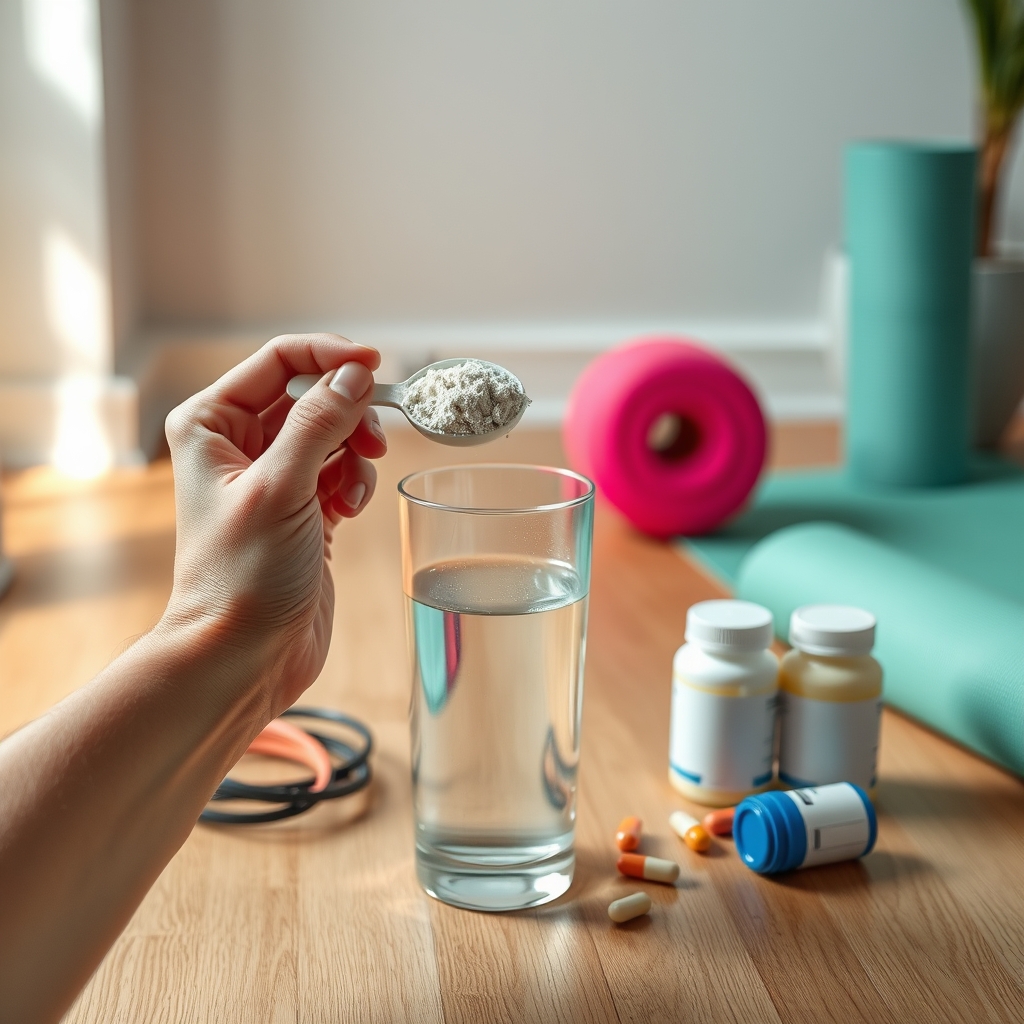
How to take: Mix powder into water, juice, or a smoothie. Capsules are handy for travel but may require 3–8 pills for a full dose. Choose unflavored for best tolerability.
| Form | Evidence Strength | No. of Pills/Scoop | Cost (avg/mo, 2024) | Side Effects Likelihood |
|---|---|---|---|---|
| Monohydrate (powder) | ⭐️⭐️⭐️⭐️⭐️ (Strongest) | 1 small scoop | $13–$20/mo (Amazon 2024) | 1–10% mild (bloating, water retention) |
| Monohydrate (capsule) | ⭐️⭐️⭐️⭐️⭐️ | 3–8 medium pills | $19–$30/mo (iHerb 2024) | Similar; less risk of mixing errors |
| HCl or “micronized” | ⭐️⭐️ (Much Weaker Evidence) | 1–2 small | $25+/mo | Claims of less bloating, but still rare anyway |
Learn more about blending your supplement regimen in our muscle recovery guide.
Costs, brands, and what to buy in 2024 (buyer’s checklist)
With inflation and supply issues, 2024 prices for creatine for women break down like this:
- Powder (Creapure, third-party tested): $13–$20/month at 3–5 g/day dose
- Capsules: $19–$30/month; check reviews for size/dose accuracy
- Flavored/fancy added blends: $25+ per month, often with unnecessary sweeteners
Buyer’s checklist:
- Look for third-party test logos (NSF, Informed Sport, Creapure)
- Choose “creatine monohydrate” (not proprietary blends)
- Avoid “muscle mass gainer” formulas unless directed for clinical reasons
- Scan reviews for recent (2024+) feedback about batch quality or mixability
For an evidence-based price comparison on other recovery tools, see our sauna blanket guide.
Realistic timeline & what to expect — 8–12 week plan
Getting results with creatine is about consistency. Here’s what you can expect on a realistic 2–3 month plan:
- Weeks 1–2: No big changes—hydration matters, mild “fluffiness” is normal
- Weeks 3–4: Workouts feel easier; first signs of boosted reps, faster recovery; clothes may fit smoother
- Weeks 5–8: Measurable improvement: 5–10% added strength, 0.5–2 kg more lean/“toned” muscle; before/after photos can help track
- Weeks 9–12: Strength and energy noticeably up; full 1–3 kg lean mass gains often achieved
Tip: Log your strength, measurements, and mood. For easy, realistic routines, our resistance training for beginners resource is a perfect complement.

Infographic: 8-12 week progress tracking for creatine use in women over 40
Top 3 myths competitors often miss (short Q&A)
Myth 1: “Will creatine cause water retention or unwanted weight gain?”
Truth: Yes, it can cause a small, temporary increase in water held inside muscles, often just 1–2 lb—this is NOT bodyfat and usually disappears with continued use or smart hydration. Only about one in ten women notice it at all.
Myth 2: “Is creatine only for men or athletes?”
Truth: Absolutely not. Research from 2021–2024 shows creatine for women is beneficial for strength, bone, and brain health at all ages—and a prime option, especially after menopause.
Myth 3: “Does creatine damage kidneys in healthy women?”
Truth: For healthy adults, there is no clinical evidence that creatine harms kidney, liver, or heart health (trials up to 3 years). If you have kidney disease or are on certain meds, always check first.

Real stories & evidence — examples to humanize the data
Susan, 54 (case report in Nutrition Reviews, 2025): Started 3 g creatine monohydrate with home resistance bands. Noticed less fatigue during housework by week four, and was able to do “real” pushups by week eight. Mild bloating but no weight gain after dosing with breakfast.
Linda, 47 (verified forum review, 2024): Took 5 g/day capsules on doctor’s advice, while on HRT and bisphosphonates. Tracked 12% improvement in leg strength at PT recheck. Reported slight “swelling” in first three weeks, gone by week six.
Note: These are real-world examples from larger study groups and patient forums—not individual health advice. For a community of menopausal women focusing on muscle and metabolism, read our metabolic health diet story spotlights.
Quick checklist — is creatine right for you?
- Healthy kidney function, no history of kidney disease?
- Not on nephrotoxic or complex prescription drugs without doctor review?
- Desire for increased muscle tone, bone, or cognitive support?
- Okay with taking a small scoop (3–5 g/day) for at least 8–12 weeks?
If you answered yes to the above, here’s your starter plan:
- Pick a pure creatine monohydrate powder or convenient capsule
- Start at 3 g daily with breakfast or post-workout—split dose if sensitive
- Hydrate with an extra glass of water at each dose
- Pair with resistance training (see our beginner’s guide)
- Track your progress: strength notes, photos, and how you feel
- Check in with your doctor if you have any unusual or persistent side effects
If not sure, or you have medical complexities, take this checklist to your doctor or pharmacist for a personalized safety review.
Resources & citations (studies 2021–2024 + trusted reviews)
- Creatine for Women: Benefits, Dosage, and Safety (Healthline 2021)
- Should Women Over 40 Take Creatine? Science-Backed Benefits (Ubie Health 2024)
- Creatine for Healthy Aging: More Than Muscle (CreatineforHealth 2025)
- Frontiers in Nutrition: Creatine supplementation safety, benefits, and lifespan research (Frontiers 2025)
- Common Questions and Misconceptions about Creatine (PMC 2021)
- Creatine: Uses, Side Effects, Interactions (WebMD 2024)
For a deep-dive on emotional and biological resilience, explore our emotional fitness evidence resource.
Conclusion
Creatine for women is not just a “gym bro” trend. Clinical data show that, for most healthy women over 40, creatine monohydrate taken at 3–5 g per day is safe, affordable, and delivers real gains in muscle tone, bone health, and cognitive resilience. It’s easy to use, but unique to women: always consider your medications, medical history, and start slow. If you’re ready for a science-based, stepwise approach to building strength and safeguarding your health, try a three-month test—pairing creatine for women with resistance training—and monitor your results. Always consult your clinician if you have kidney issues, are taking complex medications, or want extra safety review. Your journey to a strong, resilient future can start today.
FAQ
Will creatine make me look bulky or cause permanent weight gain?
Creatine does not cause permanent “bulky” muscle or fat gain. Any slight weight increase is due to water drawn into muscles (1–2 lb), is temporary, and most women look more “sculpted” over time—not bigger.
Is creatine safe for women during pregnancy or breastfeeding?
There is limited research on creatine in pregnancy or breastfeeding. Most guidelines advise not starting unless under specific medical supervision. Always consult your OB/GYN before use.
Does creatine cause kidney problems in healthy women?
All available research (up to three years) shows creatine does not harm kidney health in otherwise healthy women. If you have kidney disease or use nephrotoxic drugs, consult your doctor before starting.
How do I take creatine for best results?
Use 3–5 g creatine monohydrate daily, ideally after meals or post-workout, with plenty of water. No need for loading doses. Pair with resistance exercise for best outcomes.
What if I miss a day (or two) of creatine?
Missing a dose occasionally is not a problem. Just resume as normal the next day. Consistency over weeks is more important than perfect daily use.