

Sleep tracking ring technology has surged in 2024, offering health-focused professionals a new way to monitor sleep with greater comfort and evidence-backed accuracy than many traditional wearables. But do these cutting-edge rings really deliver clinical-grade insight, or are there hidden tradeoffs you must know before buying?
Key Takeaways
- Sleep tracking rings combine real-world comfort with sensor accuracy—2024 studies show finger-based PPG can outperform wrist devices for total sleep time and deep sleep metrics.
- Practical pitfalls still exist: comfort issues, battery life, subscription models, and gaps in REM accuracy are recurring user complaints.
- The smart ring market is growing at 22.3% CAGR, with new entrants (Samsung, Apple) and features like open APIs and glucose integration changing the decision landscape fast.
- Market snapshot — why sleep tracking rings matter in 2024
- How sleep tracking rings work (why finger sensors can outperform wrist devices)
- Accuracy — what the science says vs. watches and mattress sensors
- Common user complaints — accuracy, comfort, battery, and apps (what to expect)
- Who benefits most — demographics and clinical use cases
- Price and subscription model landscape (what buyers actually pay and what they get)
- Technical innovations in the past 12 months
- Practical buying checklist — picking a ring based on priorities
- Gaps competitors often miss (3 high-value content angles to exploit)
- Recommended sources and quotes to include
Market snapshot — why sleep tracking rings matter in 2024
Sleep tracking rings have emerged as a high-growth category within the wearables sector. Recent estimates value the global smart ring market at USD 279.3 million in 2024, with shipments around 1.8 million units this year alone—more than double last year’s output. Market forecasts predict the segment to balloon to over USD 2.09 billion by 2034, riding an impressive 22.3% CAGR. Health and wellness applications make up the majority of demand, while medical monitoring lags but is accelerating fastest (over 40% CAGR).
Broader wearable sleep tracker tech (including watches and mattress sensors) is growing from about USD 18.3 billion in 2026 up to USD 46 billion by 2035. Sleep tracking rings, thanks to their comfort and signal quality, are carving out an increasingly dominant space within this ecosystem. Between saw-tooth Amazon demand, the Oura brand’s clinical focus, and big brand entrants like Samsung and Apple, buyer urgency—and options—are at an all-time high.
For a deep-dive on basic benefits of wearable sleep trackers, see our starter guide.
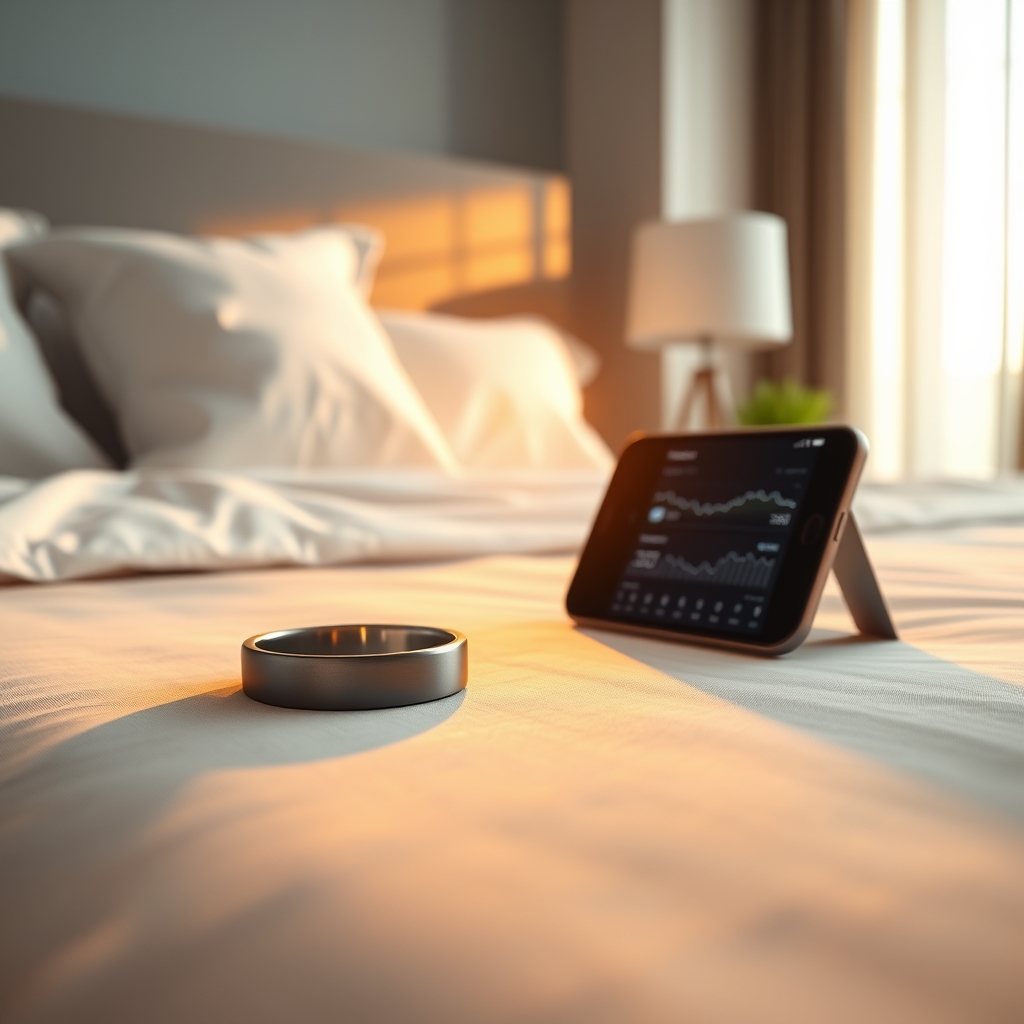
How sleep tracking rings work (why finger sensors can outperform wrist devices)
A smart ring sleep tracker uses tiny optical and temperature sensors built into a discreet, minimalist ring. The most important component: photoplethysmography (PPG), which shines multiple LED lights through the finger to measure subtle changes in blood flow, pulse, blood oxygen (SpO2), and even heart rate variability (HRV).
Why does this matter? Modern studies, including several from 2024 and 2025, repeatedly show that finger-based PPG produces less motion artifact and cleaner, more accurate physiological signals than wrist-based wearables. This is because fingers—especially at night—are less prone to movement, and vessel beds in the fingers provide sharper readings. Devices like Oura, Circul, and RingConn use these advantages to estimate sleep stages, efficiency, and interruptions with surprising accuracy.
PPG Sensor Technology Explained—Plain English
PPG in a sleep tracking ring uses a set of green, red, and infrared LEDs to pulse light into your finger. The device captures the reflected signals, which fluctuate with each heartbeat and, when combined with accelerometer and temperature readings, help the ring’s algorithm differentiate sleep stages, detect disturbances, and flag abnormal events like sleep apnea risk.
Peer-reviewed literature in 2024–2025 confirms finger PPG yields “superior signal quality and lower motion artefact” over wrist-based wearables (Centralive 2026 review).
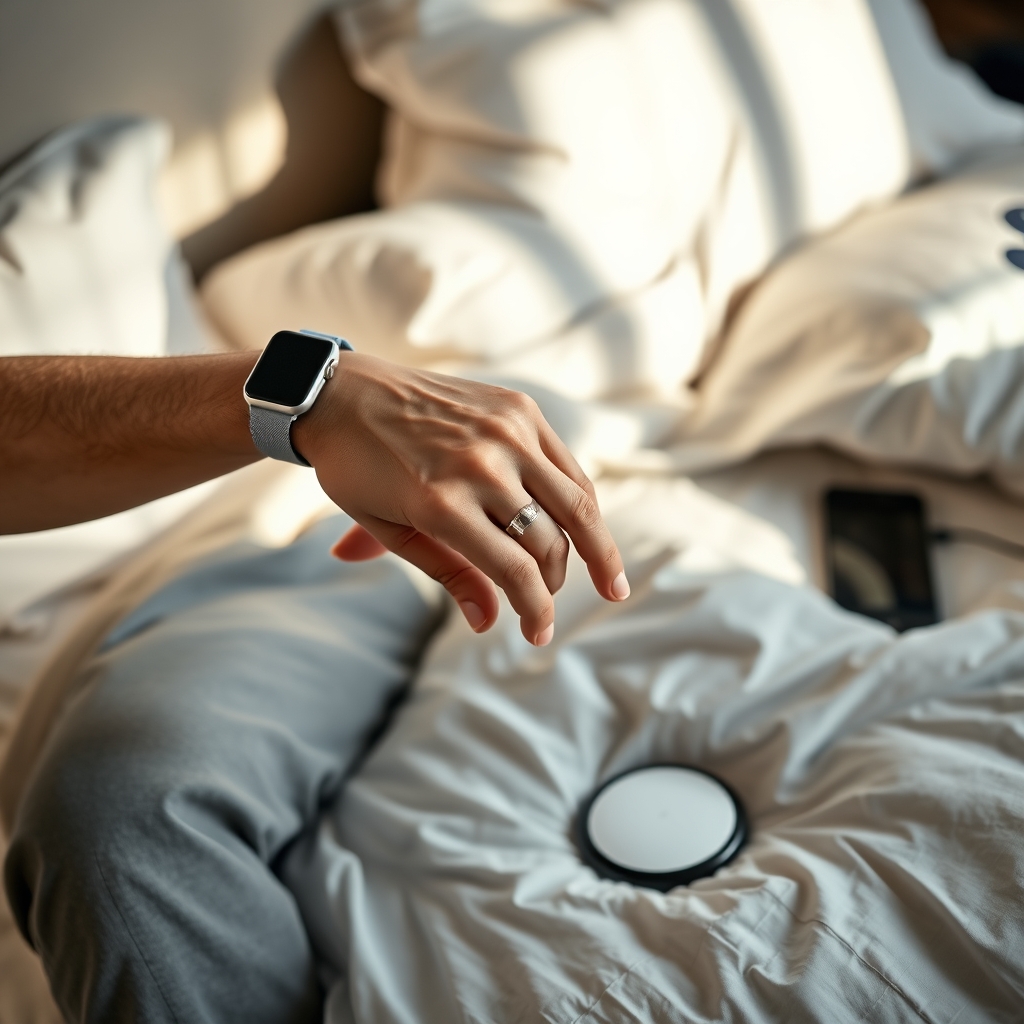
Integration & App Ecosystem—Why It Matters
Rings connect to companion smartphone apps via Bluetooth. Top models offer automatic sync, raw data exports (for health pros), and integrations with fitness, glucose, or sleep hygiene apps. Some—like RingConn Gen 2—provide open API support and free cloud data storage by default.
Integration quality matters because a great sleep tracking ring means little if the app is buggy, exports are blocked behind a paywall, or it won’t sync with your favorite health platform. That’s why Oura’s recent link-up with continuous glucose monitors (Dexcom) is generating buzz among biohacking pros in 2024 (see industry analysis).
Accuracy — what the science says vs. watches and mattress sensors
How close are sleep tracking rings to gold-standard clinical devices? Recent studies are promising but not perfect. A 2024 Oura Ring multi-night validation showed “strong concordance with ambulatory polysomnography for total sleep time, sleep efficiency, and deep sleep staging,” with mean absolute errors typically under 25 minutes for sleep duration and average deep sleep sensitivity in the 80–90% range (PMC 2025 review).
Compared directly to wrist wearables and mattress sensors, smart ring sleep trackers typically outperform for detection of total sleep time, sleep onset, deep sleep, and HRV trends. However, users and clinicians note recurring gaps: REM detection and sleep stage granularity remain less reliable, with many users reporting stage misclassifications, especially in complex sleep patterns or rotated sleep schedules (common in shift workers).
Comparison Table: Consumer Devices vs. Clinical Standards
| Device Type | Total Sleep Time | Deep Sleep Sensitivity | REM Detection | Comfort (Long-Term) | Raw Data Access |
|---|---|---|---|---|---|
| Oura Ring (Gen3/4) | Excellent (mean error < 25 min) | High (80–90%) | Moderate | Very Good | Subscription/CSV limited |
| RingConn Gen 2 | Very Good (error < 30 min) | High (80%+) | Moderate | Excellent | Open API/free cloud |
| Apple/Samsung (Wrist) | Good–Fair (error 35+ min) | Medium | Variable | Fair | Limited/no export |
| Mattress Sensor | Moderate | Moderate | Low–Not reported | Excellent | Basic summary only |
If clinical accuracy for deep sleep matters to you, sleep tracking rings beat most competitors. Full REM and granular staging are still a work in progress.
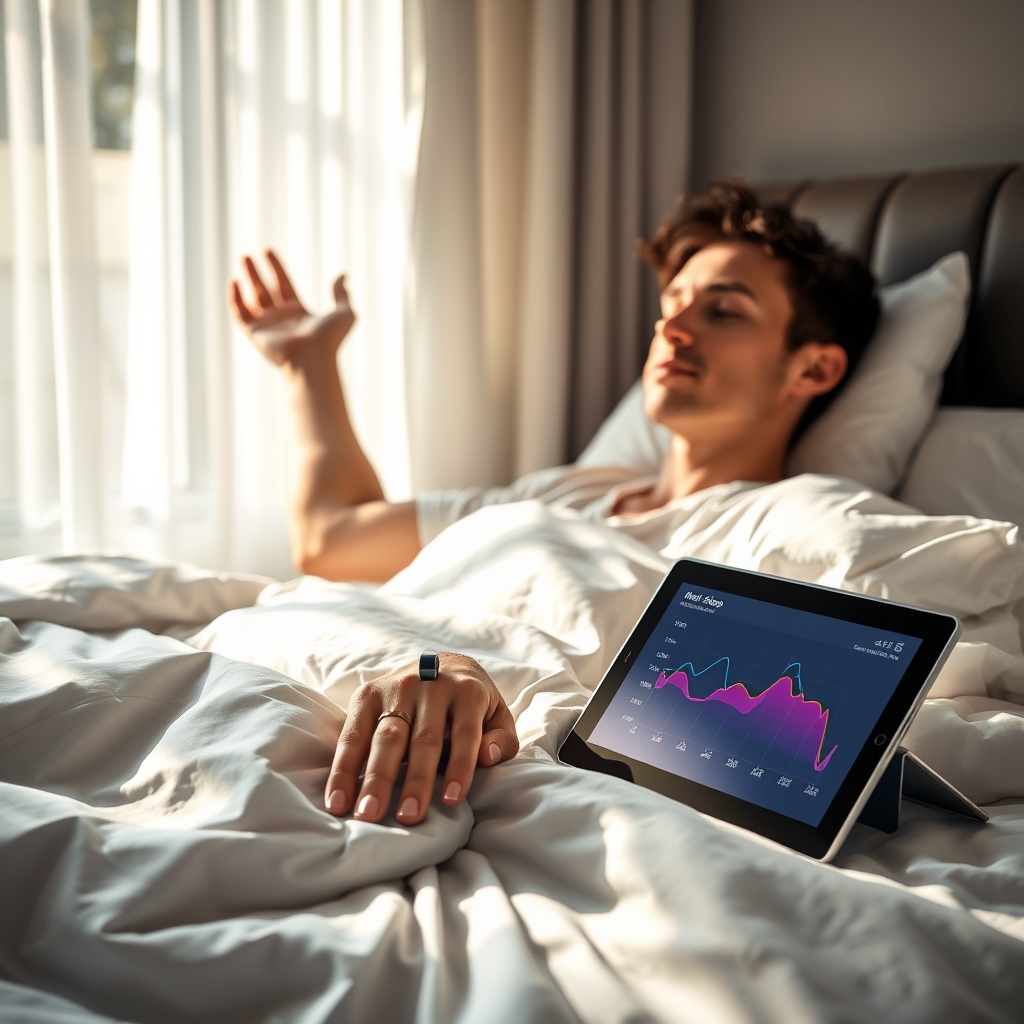
Common user complaints — accuracy, comfort, battery, and apps (what to expect)
While sleep tracking rings win in many areas, frequent negative feedback reveals realistic tradeoffs:
- Accuracy gaps: Especially for REM detection and full sleep staging. Light sleep and waking may be misclassified, and shifts in sleep schedule can throw algorithms off.
- Comfort and sizing: Users with finger swelling, sensitive skin, or large knuckles report soreness, skin irritation, or inconsistent night-to-night wear. Sizing and fit are crucial.
- Battery life: Generally ranges from 5 to 12 days per charge. Frequent charging can break long-term tracking habit—battery anxiety is real for power users.
- App integration & exports: Frustrations include clunky user interfaces, sync delays, sleep data locked behind premium subscriptions, and poor integration with third-party health apps.
Want background on how screenless wearables are shaping new sleep habits? Check our complete market guide.
Who benefits most — demographics and clinical use cases
Smart ring sleep trackers are best for:
- Health-focused professionals and athletes needing discreet, 24/7 monitoring for recovery or insomnia.
- Shift workers or those needing to track night-to-night variation in sleep and response to lifestyle changes.
- People with cardiometabolic risk (pre-diabetes, hypertension) who want actionable trends between sleep and glucose or HRV.
Clinical integration is growing fast: the medical/clinical monitoring segment expects nearly 41% CAGR through 2034 (market analysis), and clinical studies increasingly validate rings for sleep disorder screening and long-term health management. That said, adults with poor circulation or chronic finger swelling may struggle with consistent wear—a known tradeoff versus watches or mattress strips.
Price and subscription model landscape (what buyers actually pay and what they get)
Unlike watches (which generally bundle all features), most leading sleep tracking ring companies segment features by payment tier. Here’s the current 2024–2025 landscape:
- Entry/mid hardware only (RingConn Gen 2, SLEEPON): $129 to $229. Nearly all essential features unlocked (sleep scoring, SpO2, HRV), dual-LED PPG, open API, free cloud data storage, and flexible exports.
- Premium hardware + subscription (Oura Ring 4, Circul+): $299 to $399 plus $72/year. Polished analytics, behavioral coaching, raw CSV export, and multi-week sleep insights behind paywall; most “biohacker” and clinical features require ongoing payment. Some, including Oura, now advertise week-long battery with fast charging.
Careful where your priorities lie. If you value raw data access and open ecosystem, hardware-only may suffice. Those needing curated analytics or seamless clinician handoffs should budget for recurring fees. For more on sleep-related tech upgrades, read Actionable HRV Monitoring or Continuous Glucose Monitor for Non-Diabetics.
Technical innovations in the past 12 months
The sleep tracking ring category has seen a burst of technical upgrades since late 2023:
- Sensors/algorithms: Oura Ring 4 and RingConn Gen 2 introduced sharper REM detection, dual-LED PPG, and more sensitive motion/temperature sensors, boosting accuracy and sensitivity for challenging sleep profiles.
- Battery/charging: Premium rings now hit 7+ days per charge, with quick-charge features and better battery health. Real-world testing matches these claims.
- AI/firmware upgrades: Algorithm improvements allow finer discrimination of deep vs. light sleep, smarter insights, and personalized recovery scores.
- Integration: Oura’s partnership with Dexcom now links continuous glucose monitoring and sleep data in a unified health dashboard for metabolic health.
- Market visibility: Samsung Galaxy Ring’s announcement and Apple’s smart ring patent filings have vaulted the category into mainstream awareness in 2024.
This innovation surge is expected to close the gap in features and usability between smart rings, watches, and more traditional trackers.
For extra recovery tech, also see the proven sauna blanket recovery guide.
Practical buying checklist — picking a ring based on priorities
Don’t let hype steer you—here’s how to match features to your specific needs:
- Clinical accuracy: Oura Ring 4, RingConn Gen 2, and Circul+ are peer-reviewed for deep sleep and total sleep time. Check for published validation studies.
- Long battery life: Flagship models average 7+ days, with entry-level devices closer to 5–6. Balance with comfort—bigger batteries may mean chunkier hardware.
- Raw data access/Open API: Essential for clinicians and health hackers; only certain rings (like RingConn) allow direct data export and detailed integrations.
- Comfort and sizing: Look for models offering online sizing kits and flexible material options to minimize irritation/sizing errors.
- Budget and subscription: Check what’s included without subscription—usually basic sleep and readiness scores. Advanced trend analytics, exports, and third-party integrations are often paywalled.
Battery-accuracy tradeoff tip: Select a ring advertising at least 7 days between charges; most users find this hits the usability “sweet spot” without sacrificing tracking detail.
Explore more sleep optimization strategies with this sleep hygiene checklist and compare other screenless sleep devices at Best Sleep Earbuds 2024.
Gaps competitors often miss (3 high-value content angles to exploit)
1. Long-term adherence vs. signal quality trade-off
Finger PPG delivers superior signal, but real-world data shows that users often wear rings inconsistently after several weeks—especially if swelling, irritation, or discomfort arise. This can lead to gaps in longitudinal data, even if short-term accuracy is high (Centralive 2026).
2. Raw data access & clinical integration
Open APIs and frictionless data export are crucial for clinicians and researchers. RingConn Gen 2 is a standout here with open API and free cloud storage; in contrast, Oura restricts raw data export to paid subscribers, and users cite ongoing headaches with third-party integration.
3. Transparency on subscription vs. one-time cost tradeoffs
Many buyers are surprised to learn deep insights, trend graphs, and longitudinal reporting are paywalled. Hardware-only buyers may sacrifice some analytics that matter for research or clinical discussions. Make sure to confirm which features require ongoing fees before committing.
Recommended sources and quotes to include
- Multi-night Oura Ring validation (2024): “Strong concordance with ambulatory polysomnography for total sleep time and deep sleep staging, with acceptable mean absolute errors.” Source: Sensors (2024).
- Sensors comparative study 2024: “Oura ring’s sleep metrics most accurate among three commercial wearables examined.”
- 2025 systematic review: “Smart rings achieved high sensitivity for deep sleep detection and acceptable errors for heart-rate-derived parameters.”
- Market figures: “Smart ring market size USD 279.3M in 2024, 1.8M units shipped, with 22.3% CAGR to 2034.” (Market.US report)
If you want a full breakdown of the best sleep tracking ring for your specific recovery or health profile, see our flagship review: Sleep Tracking Ring: 7 Amazing Ways to Improve Sleep.
Conclusion
Sleep tracking rings are disrupting the health wearables market by blending clinical validation, day-to-day comfort, and integration with modern health apps. Peer-reviewed research acknowledges their high accuracy for deep sleep and total sleep time, while real buyers should pay close attention to comfort, battery, pricing, and feature paywalls before investing. The bottom line: a sleep tracking ring is an exceptional upgrade for health-conscious professionals—just make sure to match your ring to your priorities and workflow. If you want to see if a sleep tracking ring is right for you, review the real evidence, weigh your comfort needs, and start optimizing your recovery today.
Ready for a deeper dive? Explore our full matrix of comfort, accuracy, integration, and price at our buyer’s guide.
FAQ
How accurate are sleep tracking rings compared to medical sleep studies?
Recent studies (2024–2025) show smart ring sleep trackers like Oura Gen 3/4 match ambulatory polysomnography for total sleep time and deep sleep sensitivity, with mean absolute errors under 25 minutes. REM detection and full staging are less precise but improving.
What are the most frequent user complaints about sleep tracking rings?
Top issues include comfort problems (swelling, skin irritation), battery life (5–12 days), data locked behind subscriptions, and less reliable REM or nuanced sleep-stage detection. App sync and export limitations are also common.
Who should avoid sleep tracking rings?
Those with severe finger swelling, circulation issues, or chronic skin sensitivity may be better off with wrist or mattress-based trackers due to fit and long-term comfort concerns.
Do I need a subscription to get raw sleep data?
Some rings like RingConn Gen 2 provide open API and free cloud storage out of the box, while most premium models (like Oura) require a subscription to unlock advanced analytics, CSV export, and long-term trend graphs. Always confirm the model’s feature list before purchase.
What’s the current range of battery life for leading rings?
Flagship models such as Oura Ring 4 and RingConn Gen 2 advertise 7+ days of battery; practical experience shows 5–12 days based on personal use and sensor frequency. Charging is simple but can disrupt continuous longitudinal sleep datasets if not managed.