

HRV health monitoring with modern wearables is redefining how health-literate athletes and biohackers optimize daily stress, sleep, and recovery. Instead of guessing whether you should train hard, rest, or adjust your routine, you can now use real heart rate variability tracking to make evidence-backed decisions—if you know exactly what to do, and what the numbers really mean.
Key Takeaways
- Wearable HRV health monitoring can improve stress management, recovery, and sleep if interpreted and applied correctly.
- Sensor accuracy, data transparency, and clear action rules (not just single HRV numbers) are essential for actionable daily routines.
- Most devices have real limitations—knowing how to read your trends and when to trust (or ignore) scores is critical.
- What HRV actually measures — the physiological signal behind stress, recovery and sleep
- Step-by-step HRV health monitoring routines for daily stress, sleep and recovery
- Advanced analysis & common pitfalls: where most users and devices fail
- Conclusion
- FAQ: HRV Health Monitoring
What HRV actually measures — the physiological signal behind stress, recovery and sleep
Heart rate variability (HRV) reflects fluctuations in the intervals between heartbeats, tracking the ongoing tug-of-war between your sympathetic (“fight or flight”) and parasympathetic (“rest and digest”) nervous systems. In simple terms, HRV health monitoring puts a number on your body’s stress resilience, ability to recover, and depth of sleep by measuring how flexible your autonomic nervous system is in real time.
HRV can be broken down into three main types of measurements:
- Time-domain (e.g., RMSSD, SDNN): Measures the amount of variability over time. Used by most consumer apps.
- Frequency-domain (e.g., LF/HF ratios): Breaks HRV into ‘fast’ (parasympathetic) and ‘slow’ (sympathetic) rhythms.
- Non-linear metrics: Capture irregular, complex heart rate patterns (mainly research/clinical).
Nocturnal (overnight) HRV is generally more reliable than spot checks during the day, since it avoids confounding factors like caffeine, movement, and acute stressors. Studies confirm HRV is a robust indicator of overall autonomic nervous system (ANS) function and recovery readiness.
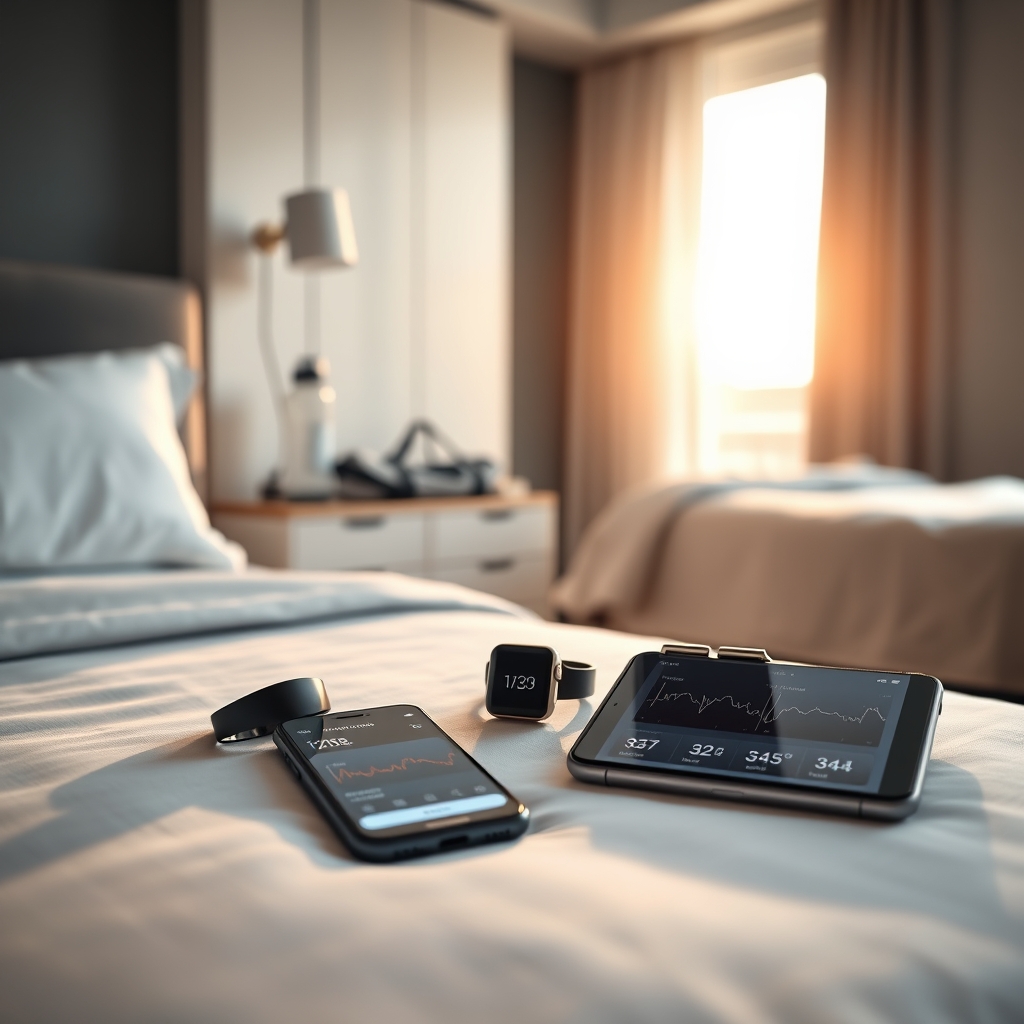
Step-by-step HRV health monitoring routines for daily stress, sleep and recovery
Clinically validated HRV health monitoring unlocks specific, actionable routines for stress control, sleep optimization, and smarter training. Here’s how to use your wearable for real, outcome-based decisions:
- Establish your baseline. Track HRV nightly for 2 to 4 weeks, preferably during sleep. Let your device average out nightly fluctuations to define your “normal” range. (Most apps like Oura and Whoop do this automatically.)
- Check HRV first thing in the morning or review overnight data. Spot checks can be misleading; nocturnal readings are best for consistency and accuracy.
- Pair HRV with resting heart rate (RHR) and subjective symptoms. Use this daily rule:
- If HRV is high and RHR is low: Go hard or stick to your plan.
- If HRV is low and RHR is high: Rest, recover, or adjust your training—likely stress, illness, or lack of sleep (see evidence).
- If both HRV and RHR are high: You may be handling a lot of strain but still under pressure—mix in active recovery or lighter sessions.
- Adapt your training based on multi-day trends, not single-day drops. A single bad night may not mean anything. Look for consistent downward or upward trends before making big changes.
- Use HRV-guided biofeedback for acute stress. If your device offers guided breathing (such as “Resonance breathing” at your known resonance frequency), do a short 5- to 10-minute session when you notice your HRV trending lower (research shows this can reduce perceived stress and cortisol).
- Flag sleep pattern changes. Drops in nocturnal HRV often signal sleep debt or insomnia before you notice symptoms. Prioritize sleep hygiene adjustments when trends persist (study).
- Log notes about illness, travel, heavy training, or life stressors directly in your HRV app. This links subjective experience to biometrics, which improves trust in your device’s recommendations long term.
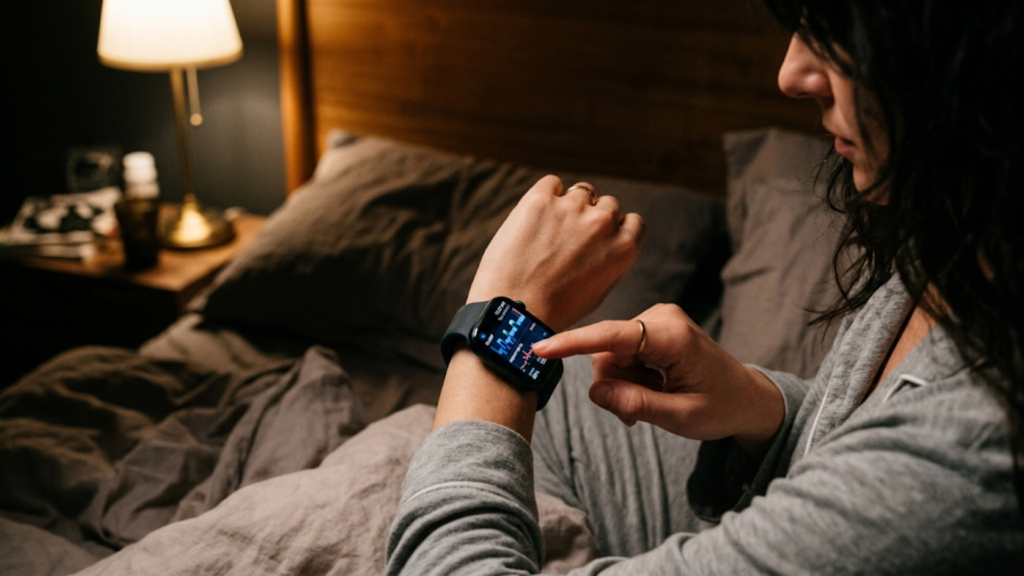
- Experiment with short HRV biofeedback (paced breathing) when HRV drops—5 minutes can noticeably change your state.
- Always allow 2+ weeks for new habits (like changing sleep or adding recovery days) to show up in your HRV data.
- Explore recovery supports like L-Carnitine or infrared sauna blankets to further optimize your recovery scores.
Advanced analysis & common pitfalls: where most users and devices fail
Most consumer HRV health monitoring solutions are “good enough” for daily routines—but real pitfalls remain if you want actionable, trustworthy data:
Major Wearables: Accuracy and Limitations
| Device | Sensor Type | Continuous Overnight HRV? | Data Export | Battery Life | Known Limitations | 2024 MSRP & Subscription |
|---|---|---|---|---|---|---|
| Oura Ring (Gen 3) | Ring PPG | Yes (low error ~6%) | Yes | ~7 days | Occasional sync delays | $299 + $6/mo |
| Whoop 4.0 | Wrist PPG | Yes (slightly higher error) | Yes (limited) | ~5 days | Sensor contact loss, opaque scoring | $0 device, $30/mo (annual plan) |
| Apple Watch Series 9 | Wrist PPG/ECG | No (manual spot checks overnight) | Limited export | ~18 hrs | Battery constraints, not full night HRV | $399+ (GPS), No sub req’d |
| Garmin Fenix 7/Epix 2 | Wrist PPG | Partial (variable accuracy) | Yes | 7-16 days | Less accurate for HRV, especially during sleep | $599+, No sub req’d |
| Fitbit Charge 5 | Wrist PPG | Nocturnal, coarse | Limited, awkward for Apple Health | ~7 days | Low HRV resolution, poor cross-platform sync | $149, Fitbit Premium $9.99/mo |
Validation research shows the Oura Ring achieves under 6% error for HRV overnight (source). Apple Watch performs well for active heart rate, but overnight HRV is limited by battery. Whoop provides continuous HRV but has user-reported frustrations with sensor contact and “black box” recovery scoring (reference).
Common Pitfalls
- Inconsistent Sampling: Occurs when your device misses overnight data due to low battery, motion, or loose fit—creating unreliable trends.
- Sensor Limitations: Wrist PPG is prone to motion artifacts; ring PPG fares better but still not ECG-grade.
- Opaque Algorithms: Many apps provide summary “scores” instead of transparent, exportable raw IBI/HRV readings. This limits interpretability and trust, especially if you switch platforms.
- Battery Drain: Continuous HRV sampling taxes batteries; Apple Watch and Whoop need frequent recharging, leading to gaps in data.
- Subscription Fatigue: Costs can add up quickly if you want full feature sets, trend analysis, or export functionality.
- Data Privacy Issues: Not all platforms allow full data export or make algorithms transparent; proprietary “readiness” scores frustrate data-oriented users.
- Variability Caveats: Acute illness, alcohol, or travel wreak havoc on HRV. Don’t panic about temporary drops, and never base all decisions on a single number.
For more recovery and sleep troubleshooting, you may find our guides on muscle recovery tips and sleep optimization useful.

Conclusion
The most effective HRV health monitoring comes down to a simple equation: combine your baseline HRV, resting heart rate, and context (sleep, symptoms, subjective feeling) for actionable, low-fuss daily decisions. Learn your device’s quirks, avoid overreacting to blips, and build habits around trends, not isolated numbers. With the right protocols and interpretation, HRV-based routines can cut down stress, inform training, and unlock better sleep.
Ready to take real control of your day? Start your own overnight HRV health monitoring baseline tonight—and make evidence-backed decisions that actually work, not just look good in the app.
FAQ: HRV Health Monitoring
What is the best device for accurate HRV health monitoring in 2024?
For overnight HRV, the Oura Ring (Gen 3) currently shows the lowest error rate (< 6%), followed closely by Whoop. Apple Watch is best for active HR but is limited for continuous night monitoring due to battery. Choose based on your budget, platform, and willingness to pay for subscriptions.
Can HRV health monitoring really guide my training and recovery decisions?
Yes, but only if you use trends (not single drops) and combine HRV data with resting heart rate and how you feel. High HRV plus low RHR means you’re ready. Low HRV or rising RHR signals stress, illness, or need for extra recovery.
How does sensor accuracy and data privacy vary by brand?
Oura, Whoop, and some Garmin devices allow raw data export, while Apple and Fitbit restrict access. Whoop frustrates users with “black box” scoring, while Oura provides best-in-class overnight accuracy. Always check privacy policies and raw data access before buying.
Are there risks to relying on HRV health monitoring?
Relying on HRV alone—ignoring trends, symptoms, or context—can lead you to under- or over-train. Be wary of spot checks, poor sensor fit, and ignoring major changes in life stress or sleep.
Does HRV health monitoring improve sleep quality?
Yes. Clinical trials confirm that longitudinal HRV tracking helps users spot and address sleep problems earlier. Use HRV drops as a cue to improve sleep hygiene or consider CBT-I style routines if problems persist.
How do ongoing device costs and subscriptions compare in 2024?
Oura is $299 plus $6/month. Whoop is free hardware but $30/month (annual), while Fitbit and Garmin have free options with paid “premium” plans ($10/month for advanced metrics). Apple Watch has no subscription for HRV, but offers only spot checks. Price should match your practical use case!