

AI sleep coach apps are transforming how tech-savvy adults and clinicians approach sleep problems, combining powerful data analytics with smart, personalized coaching. But can they deliver real results—or are they just expensive hype? In this evidence-forward guide, you’ll find out exactly what to look for, which pitfalls to avoid, and how to judge real-world outcomes before you spend a cent.
Key Takeaways
- The AI sleep coach market is exploding—with nearly $47.7 billion projected by 2035—but privacy, accuracy, and value challenges remain.
- Over half of modern sleep apps now integrate with wearables, while 42% offer AI-personalized insights—yet clinical trial evidence for many AI features still lags behind.
- To get real results, focus on evidence-backed digital CBT-i apps, rigorous privacy controls, and test-drive any AI sleep coach using a structured, outcome-focused protocol.
- Quick market snapshot — why AI sleep coaches matter now
- Who’s adopting these apps — demographics and regional trends
- How AI sleep coaches actually work (sensors, data, algorithms)
- Privacy, security and regulatory considerations users care about
- What users hate — top pain points and negative review themes
- Pricing, subscription models, free vs paid features and refund patterns
- Clinical evidence and scientific studies — what supports or challenges effectiveness
- Real-world outcomes and case studies — measurable sleep improvements
- Top 3 gaps competitors miss (and how this post will fill them)
- A practical buyer’s checklist — what to check before you install or subscribe
- How to trial an AI sleep coach responsibly (testing protocol)
- Conclusion and recommended next actions (for readers and clinicians)
- FAQ
Quick market snapshot — why AI sleep coaches matter now
The global market for AI sleep coach solutions is experiencing explosive growth. Valued at about $13.6 billion in 2025, it’s on pace to reach $47.7 billion by 2035 (Future Market Insights, 2025). This uptrend is fueled by rising sleep disorders, consumer demand for personalized health tech, and rapid advancements in sensors and machine learning. More sleep apps are layering AI-powered features on top of basic tracking, aiming to deliver actionable, lifestyle-specific sleep guidance—not just data dumps.
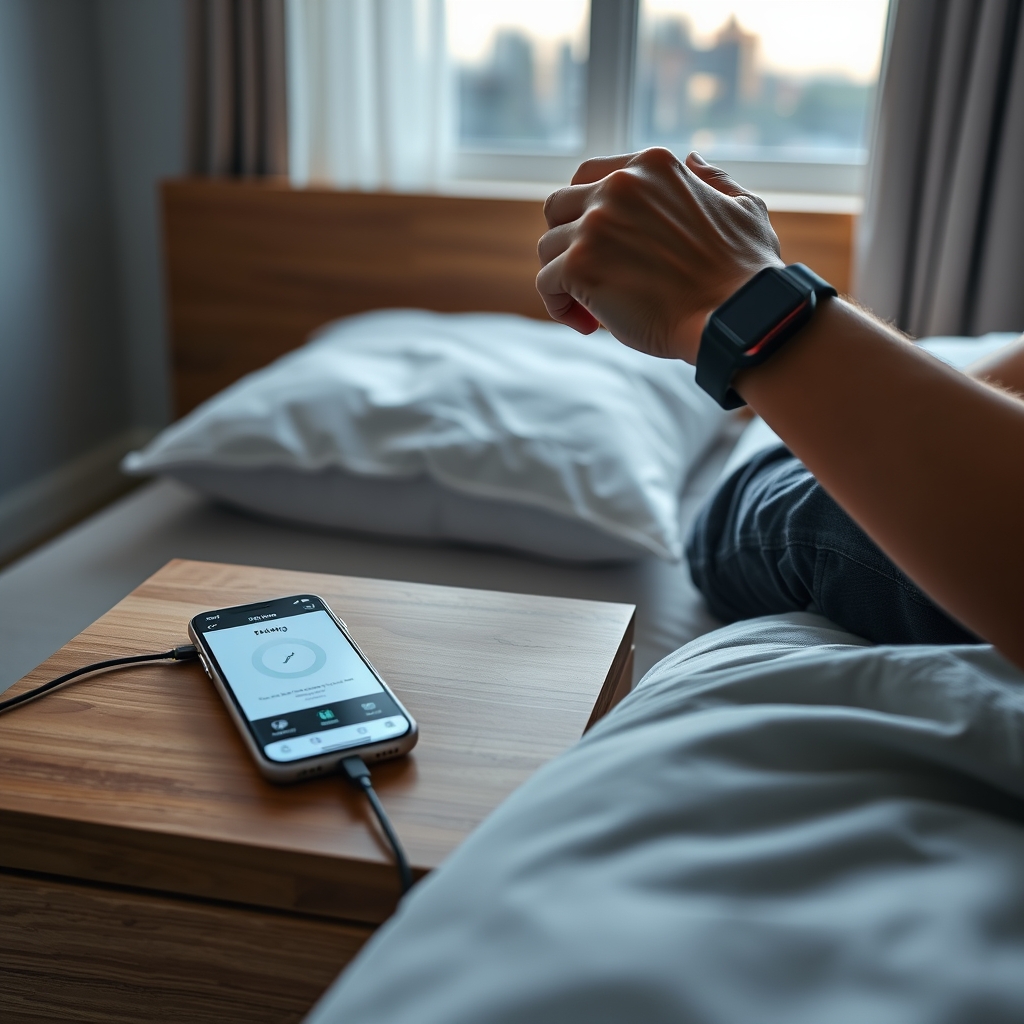
For context, the broader sleep-tech industry (including trackers, apps, and smart beds) stood at $27.46 billion in 2025 and is set to compound nearly 18% annually through 2035 (SNS Insider). New launches like Emma Up, which delivers AI sound-based sleep tracking without wearables, and Eight Sleep’s Pod 4 Ultra with AI coaching, show the category is maturing commercially and technically. But maturity doesn’t guarantee clinical value (yet), so buyer scrutiny remains essential.
Who’s adopting these apps — demographics and regional trends
Adoption of AI sleep app technology is highest among adults aged 25–55, especially those managing chronic or situational insomnia, health-conscious biohackers, and digital-first wellness seekers. In North America, where roughly 42–43% of the market is concentrated, nearly 36% of adults report a diagnosed sleep disorder (Business Research Insights). That’s a massive user base driving demand for better solutions—and pushing innovation in both hardware and software platforms.
Asia-Pacific is the fastest-growing region. Urbanization, high smartphone and wearable adoption, and regional investments in digital health push rapid uptake of next-generation sleep solutions (MarketsandMarkets 2025–2030). Across all geographies, consumers increasingly demand meaningful sleep insights—not just raw data—from their AI sleep app.
How AI sleep coaches actually work (sensors, data, algorithms)
An AI sleep coach typically combines data from multiple sources for holistic monitoring and personalized feedback:
- Smartphone sensors: Microphone for sound analysis, accelerometer for movement/tossing, ambient light detection.
- Wearable devices: Heart rate, SpO₂, skin temperature, respiration, and sleep stage tracking (often with sleep tracking rings or smartwatches).
- Headbands (where supported): Offer EEG-grade data, improving accuracy in tracking sleep phases and disturbances.
Today, around 55% of sleep apps sync with wearables, and apps like Emma Up can analyze sleep sounds directly through a smartphone, no extra gadgets needed (Persistence Market Research).
These sensors feed data into machine learning pipelines, often in the cloud. Deep-learning algorithms classify sleep stages. Audio analysis models listen for snoring or apnea events. Some coaches layer on large language models for conversational advice or reinforcement learning to fine-tune advice over time. Depending on the app, privacy-sensitive preprocessing may occur on-device to minimize cloud exposure (see below for more).

Privacy, security and regulatory considerations users care about
Privacy remains the #1 barrier for many AI sleep app users—40% cite concerns over data security or handling of sensitive health data. Best-in-class apps address this with:
- End-to-end encryption (at rest and in transit)
- User-controlled consent dashboards
- HIPAA-style protections (even outside the US)
- On-device preprocessing for the most sensitive signals (like audio or biometrics)
- Anonymized data aggregation for any training or research purposes
Read privacy policies carefully. Watch for red flags: vague data-sharing clauses, the absence of clear consent toggles, no two-factor authentication, or claims of “anonymization” without technical explanation. If an AI sleep coach is unclear or silent about storage location, deletion ability, or third-party accesses, look elsewhere.
What users hate — top pain points and negative review themes
User complaints on app stores and forums are illuminating. About 40% center on privacy or accuracy. The top recurring pain points include:
- Inaccurate or generic recommendations (one-size-fits-all advice undermines trust)
- Misclassification of sleep stages or apnea events
- Battery drain (especially on older phones or wearables)
- Intrusive notifications disrupting rest instead of aiding it
- High subscription costs without clear added value
- Device compatibility gaps, especially for Android vs. iOS users
- Lack of personalization (AI “coaching” that doesn’t adapt over time)
To judge reviews, focus on themes backed by detailed user context and device info—not one-off complaints or marketing-generated noise. Check if support responds helpfully (a good sign of long-term value).
Pricing, subscription models, free vs paid features and refund patterns
The rise of AI personalization has driven a surge in premium app features. About 42% of sleep apps have added AI-driven personalized insights in the past two years, often split into:
- Freemium models: Basic sleep tracking for free, with coaching, long-term analytics, and deep recommendations behind a paywall.
- Monthly/annual subscriptions: Range from $5 to $20/month, with some offering annual discounts.
- Device-bundled access: Smart mattresses, rings, or watches may offer free or discounted app upgrades.
Personalized coaching and advanced analytics nearly always require a paid tier. Refund windows vary, but best-in-class companies offer “no questions asked” 7–30 day refunds to encourage responsible trials. Price sensitivity is rising as AI features proliferate, so review cost vs. benefit carefully before subscribing.
| Monetization Type | Common Features | Refund Policy | Buyer Caution |
|---|---|---|---|
| Freemium | Basic tracking, generic sleep tips | Often none or 7 day | Pushy upsells, limited depth |
| Subscription | AI insights, CBT-i modules, device sync | 7–30 day, usually | Check auto-renewal and support |
| Device bundle | Full analytics, proprietary integrations | Device warranty sets terms | Lock-in, limited cross-compatibility |
Clinical evidence and scientific studies — what supports or challenges effectiveness
The strongest clinical support comes from digital CBT-i apps (Cognitive Behavioral Therapy for Insomnia) apps, which are recommended as first-line treatment by many doctors. For example, NIH-backed apps like SleepSpace and studies from Harvard and Penn State show that app-based CBT-i can significantly improve sleep for chronic sufferers, with programs scaled to 100,000+ users (Sahha blog 2026).
However, for many advanced AI coaching features (e.g., large-language-model based chat, fully automated, adaptive programs), peer-reviewed randomized controlled trials (RCTs) are still limited. Some companies, like Sleep Cycle in Australia, have begun running clinical studies to validate smartphone-only audio algorithms for apnea screening, but these results should be monitored critically and independently when possible.
Bottom line: If insomnia is your main issue, prioritize digital CBT-i apps with peer-reviewed evidence first, then experiment with newer AI features if they’re proven to integrate clinical best practices. For more on clinical and practical approaches to sleep, you may also want to read our Sleep Hygiene Checklist or our in-depth review of Mouth Tape For Sleep.
Real-world outcomes and case studies — measurable sleep improvements
What does the evidence say about real user outcomes? Large-scale digital CBT-i platforms have published impressive real-world data, like serving 100,000+ users with measured improvements in sleep duration and sleep quality scores. Vendors like Eight Sleep claim their 2025 Pod 4 Ultra, with AI-powered coaching, increases sleep efficiency and even improves resting heart rate variability (HRV)—but these are often vendor-reported metrics, not independently audited.
When evaluating claims, always ask:
- Sample Size: Were outcomes measured in enough real users over weeks or months?
- Duration: Are improvements sustained, or just short-term placebo effects?
- Measurement Type: Does the app combine device-collected metrics (hours slept, HRV) with subjective reports (sleep diaries)?
- Independence: Is the case study vendor-generated, or peer-reviewed by a third party?
Trusted devices like sleep tracking rings and integrated wearables can provide objective benchmarks—learn more in our sleep tracking ring buyer’s guide and HRV monitoring for sleep.

Top 3 gaps competitors miss (and how this post will fill them)
- Clinical Trial Gaps: Most product reviews skip publication dates and detailed limitations. Here, you get explicit references for digital CBT-i and a clear disclaimer for unproven AI features, so you know exactly where the evidence stands.
- Transparent Pricing and Refund Analysis: Instead of listing brand names, this guide maps features and refund windows by type, helping buyers compare real value before paying for personalization.
- Granular Outcome Metrics: We spotlight measured, reproducible sleep improvements—and show how to combine app metrics with external benchmarks (like wearables or sleep diaries)—not just vendor marketing claims.
A practical buyer’s checklist — what to check before you install or subscribe
- Sensors supported (phone, wearable, headband?)
- Required devices (iOS, Android, specific rings, watches?)
- Sample size/trial length (minimum one week for baseline, at least two for comparison)
- Privacy/consent options (is your data encrypted? Can you delete it?)
- Refund window (clear terms, no catch?)
- Interoperability (app integrations, export options, direct wearable connections—note that ~55% of major apps sync with wearables)
- Clinical validation (peer-reviewed RCTs, NIH funding, or only vendor claims?)
For those optimizing their whole wellness stack, see our guides on AI nutrition coaching and sauna blanket benefits to maximize recovery and sleep together.
How to trial an AI sleep coach responsibly (testing protocol)
To avoid buyer’s remorse and measure real results, use a structured 4-week trial protocol:
- Week 0 (Baseline): Track your sleep for one week with no intervention—use both app analytics and, if possible, an external wearable for reference. Record hours slept, sleep/wake times, daytime sleepiness, perceived restfulness, and device battery consumption.
- Weeks 1–3 (Active): Enable all AI sleep coach features. Follow coaching prompts and log any behavior changes (bedtime routines, screen reduction, exercise timing, etc.). Continue tracking all metrics above.
- End of Week 2: Assess changes in sleep duration, efficiency, and subjective quality versus baseline. Note any negative UX: battery drain, notification fatigue, or privacy concerns.
- Week 4 (Decision): Tally up improvements or new problems. If benefits are minimal or accuracy is questionable, cancel and pursue the app’s refund policy before auto-renewal hits.
Be sure to combine both objective and subjective data—many apps misclassify sleep states or over-promise behavioral results, so cross-checking with a wearable or a paper sleep diary is smart (noted 55% wearable sync rate).
For further recovery optimization, review our tips on L-Carnitine for muscle recovery and how smart AI-connected home gym devices can support better rest in our AI home fitness equipment guide.
Conclusion and recommended next actions (for readers and clinicians)
The AI sleep coach market has momentum and promise, but serious gaps remain in evidence, privacy, and value. Here’s your evidence-based path:
- Start with a digital CBT-i app if insomnia is your main issue; prioritize clinical validation over AI hype.
- Scrutinize privacy settings and demand truly transparent policies.
- Confirm refund terms and use a structured 4-week protocol before committing long-term.
- Monitor both device-based and subjective outcomes—don’t just trust the app’s optimism.
- If you’re a clinician or buyer, recommend only apps with reproducible, peer-reviewed data and consent mechanisms you can stand behind.
With over 42% of apps now offering AI-driven personalization, smart selection is critical to avoid paying for unproven or privacy-invasive features. Test responsibly—and use this guide to get real value from your next AI sleep coach or sleep app investment.
FAQ
Are AI sleep coach apps better than regular sleep tracking apps?
AI sleep coach apps offer more personalized recommendations and adaptive coaching than traditional trackers. However, their effectiveness depends on the quality of data analysis and supporting clinical evidence. Always check for peer-reviewed research before trusting major behavior change claims.
Can I use an AI sleep coach if I don’t have a wearable?
Yes, many AI sleep apps (like Emma Up) analyze sleep using your phone’s microphone and sensors. However, wearable integration (used by 55% of apps) can improve accuracy, especially for sleep stage and health trend tracking.
What’s the main privacy risk with AI sleep apps?
Unauthorized sharing or insecure storage of sensitive health data is the primary risk. Only choose apps with strong encryption, clear consent options, and the ability to delete your data on demand.
Do insurance or clinicians recommend AI sleep coaches?
Some digital CBT-i apps are covered by health plans or recommended by clinicians, but pure AI coaches often require more independent validation. When in doubt, ask for clinical references or a summary of published trial results.
How do I know if an AI sleep coach is helping?
Track both objective improvements (sleep duration, efficiency, HRV) and subjective scores (restfulness, daytime alertness) during your trial. If there’s no measurable gain in 2–4 weeks, seek a refund and consult your doctor for alternatives.