

Home gym cable attachments are the most cost-effective way to turn a single cable machine or functional trainer into a full-body workout center. But too many buyers waste cash on poorly-matched, break-prone kits or buy “sets” loaded with useless filler attachments. This practical guide is built for serious home gym owners who want clear, technical advice to maximize value, compatibility, and long-term durability—before ever clicking buy.
Key Takeaways
- Choose home gym cable attachments based on your machine’s peg size, load limits, and actual exercise needs to avoid expensive compatibility mistakes.
- Prioritize proven materials, high load ratings (≥400 lb), and quick-change adapters to ensure versatility and safety for years, not months.
- Beware of common failures—like fraying ropes or weak grips. Invest up front in a quality cable machine attachments set for better long-term value.
- Why cable attachments matter for a home gym
- 2024 market snapshot — demand and growth trends
- Top-selling attachment types (what to prioritize)
- Most common pain points and negative reviews — what to avoid
- Technical buyer’s checklist — specs that matter (materials, load ratings, swivels, fit)
- Price landscape in 2024 — what to expect and value tiers
- Exercises by attachment — core & unique movements to program
- Compatibility & fit guide — matching attachments to your machine
- Durability, warranties and real longevity expectations
- Quick decision matrix — build your ideal attachments set by goal
- Top 3 sub-topics competitors often miss
- FAQs & buy vs. build micro-decisions
- Recommended next steps & sample shopping list
Why cable attachments matter for a home gym
Most home gyms are limited by space and budget—even if you own a solid cable machine or functional trainer, your exercise options are only as broad as the attachments you own. The right home gym cable attachments radically expand your ability to train every muscle group, swap grips and angles to work weak points, and unlock movements that would otherwise demand buying standalone machines. Triceps pushdowns, lat pulldowns, rows, face pulls, biceps curls, and even core rotational moves all become possible, often with just a few key attachments.
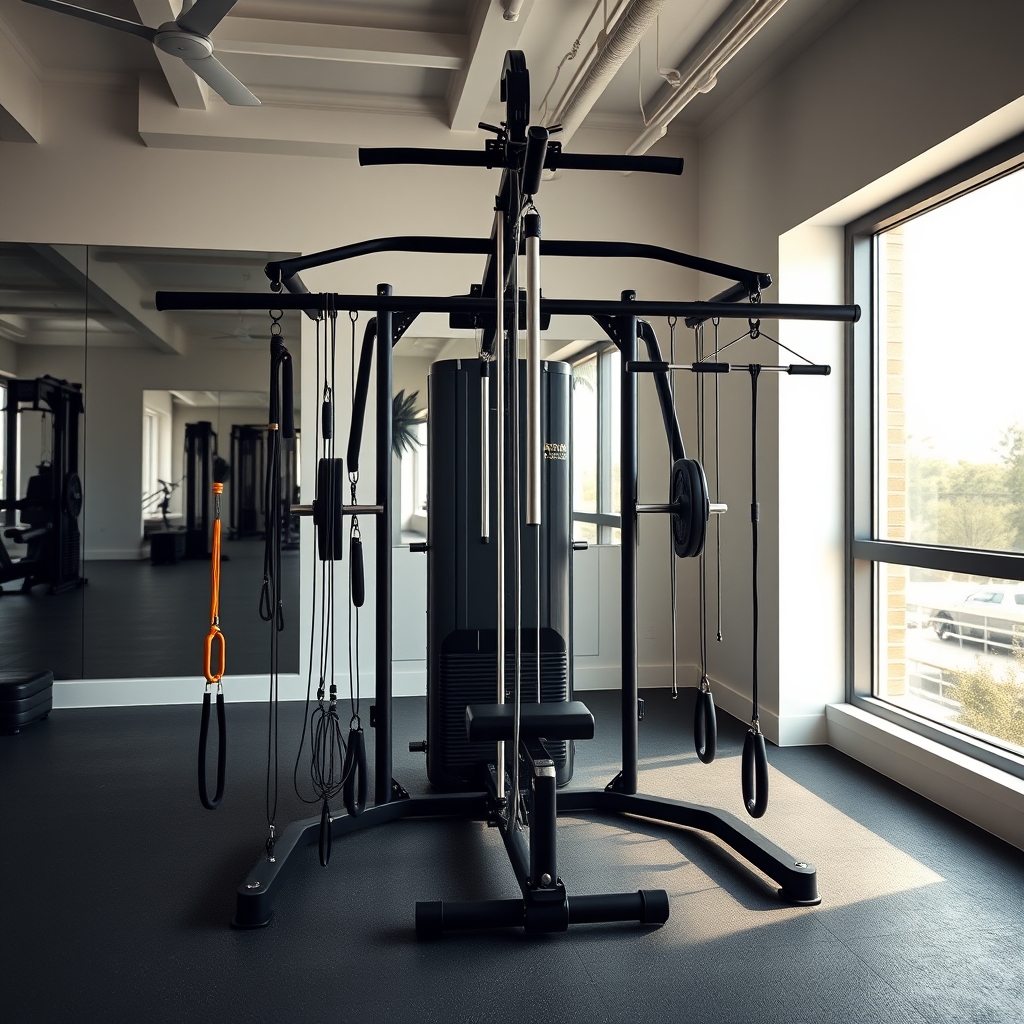
Market data highlights this versatility: The global home gym equipment market hit $6.435 billion in 2024, with cable machines among the fastest-growing segments—fueled by demand for smarter, more adaptable at-home setups [1]. Why buy four machines when a single cable setup, plus a dialed-in cable machine attachments set, gives you full-body coverage?
2024 market snapshot — demand and growth trends
The push for space- and budget-efficient workout gear isn’t slowing. In 2024, the global home gym equipment sector reached $6.435B, with a projected 5.5% compound annual growth rate (CAGR) to 2035 [1]. North America has a commanding 34% market share, driven by mature fitness culture and the post-pandemic pivot to home training.
Cable machine attachment sales rise in tandem: Internet search trend analyses consistently rank “cable machine attachments set” queries among the fastest-growing (source: Garage Gym Reviews). Market analysis confirms—buyers want more training diversity without multiplying equipment footprints.
Top-selling attachment types (what to prioritize)
The highest-value cable machine attachments set will always include:
- triceps rope: Ideally a longer, heavy-duty hemp or thick nylon rope with rubber or metal end stoppers—enables pushdowns, overhead extensions, face pulls. Example: REP Fitness Hemp Rope, 24” (steel core; 400+ lb rated).
- Straight-bar/V-grip handle: Lets you do pressdowns, curls, pulls, and rows. Look for knurled steel that won’t slip and supports 300 lb minimum. Example: Rogue 20” Straight Bar (powder-coated, ½” pin compatible).
- Lat pulldown bar (solid/cambered): Allows wide and narrow-grip pulldowns, rows. Choose steel, preferably powder-coated, with multiple grip zones (knurl/urethane cover optional). Example: Titan Cambered Lat Bar, 48”.
- Triangle (closed row) bar: For seated rows, close-grip pulldowns, and pressing. Pick welded steel construction. Example: Power Systems Pro-Grip Seated Row.
- Neutral-grip (multi-grip) bar: Lets you hit back from new angles for width/thickness. Example: REP Fitness Neutral Bar, 26”.
- Land-mine handle / anchor plate: Lets you deadlift, press, row, and do anti-rotation core work with an Olympic bar—if your cable machine has land-mine compatibility or you use a base anchor.
Top-sellers consistently feature the above (see REP Fitness Attachment Guide and retail bestseller lists). Skip “filler” attachments like plastic handles, weird mini-ropes, or low-cap clips if you have to choose.
Most common pain points and negative reviews — what to avoid
Even major brands are not immune to design flaws. You’ll see the same complaints repeatedly in user reviews for home gym cable attachments:
- Ropes fraying, delaminating, or softening after months of use
- Cheap rubber grips splitting or slipping on metal
- Attachment pins or swivel joints wobbling, jamming, or outright failing at heavy weights
- Poor fit or loose “universal” adapters (especially across ½” vs 5/8″ pegs)
- Low load capacity—many budget kits are only rated for 200–250 lb; easily exceeded by intermediate lifters
Durability, compatibility, and safety go hand in hand. Hardware failures not only kill value but also risk injury—especially if you’re pushing your cable machine for progressive overload.
Technical buyer’s checklist — specs that matter (materials, load ratings, swivels, fit)
Here’s what truly sets a quality cable machine attachments set apart:
- Steel-alloy construction (avoid cheap pot metal or plastic cores)
- Powder-coat finish (beats regular paint or chrome for grip/durability)
- Steel-core or tightly-braided nylon/hemp ropes at least 1” thick, rated to 400 lb or more
- 360-degree swivel joints for smooth rotation—ball bearing or sealed cartridge preferred
- quick-change adapters that fit both ½” and 5/8″ pegs (essential for newer cable machines and functional trainers)
- Clips, locking pins, carabiners made of steel; test or verify rated load (aim for 500 lb)
Always take a minute to verify claims on load ratings—ask manufacturers for independent test documentation. Some reputable examples (not endorsements):
- REP Fitness Lat Bar: welded steel, >400 lb test, 360° swivel, knurl
- Rogue Triceps Rope: steel core, 1.5” diameter, 30” length
- Titan Fitness Multi-Grip Row: 500+ lb hardware, powder-coat
Price landscape in 2024 — what to expect and value tiers
You should expect:
- Budget sets ($50–$120): Narrower rope, fewer steel components, weight ratings up to 200–250 lb. Grips/plastic parts may fail within a year.
- Mid-range ($120–$300): Decent steel handles, adequate rope (sometimes upgradeable), proper knurl, 300–400 lb ratings, some with quick adapters.
- Premium ($300–$600+): Full steel sets, powder coat, pro-grade ropes, multiple attachment points, universal adapters, 400–500 lb+ test specs, excellent longevity.
Capacity generally tracks with price. If you’re a progressing lifter, skipping budget sets will save you from rapid replacement costs. Consider buying essential attachments first, then adding/upgrade only the tools you truly use (see Functional Trainer Home Gym Guide).
Note: Many top attachment makers (REP, Rogue, Titan) now sell à la carte handles—perfect for building a personalized, high-specced cable machine attachments set.
Exercises by attachment — core & unique movements to program
Here’s how top attachment types map to exercise variety—and how to get more utility from each:
- Triceps rope (long, hemp or nylon): Triceps pushdown, overhead extensions, rope face pulls, pull-aparts, hammer curls. Longer ropes open up greater range of motion—key for face pulls and triceps work [3].
- Lat bar (straight/cambered): Lat pulldown (wide/narrow), low rows, straight-arm pulldown. Camber adds wrist comfort.
- V-bar: Close-grip lat pulldowns, neutral-grip rows, pressdowns, triceps dips.
- Triangle row bar: Seated rows, chest-supported rows, low cable shrugs.
- Neutral-bar (multi-grip): High-row, pull-apart, unique lat/teres focus pulls.
- Land-mine / anchor: Belt squats, land-mine deadlifts, rotational presses, single-arm anti-rotation moves.
If budget is tight, choose attachments that directly add new movements to your home gym cable attachments pool. Explore even more options in the Wall Mounted Cable Machine Guide.
Compatibility & fit guide — matching attachments to your machine
Attachment compatibility issues are a top frustration called out in reviews and market research [1]. Here’s how to get it right:
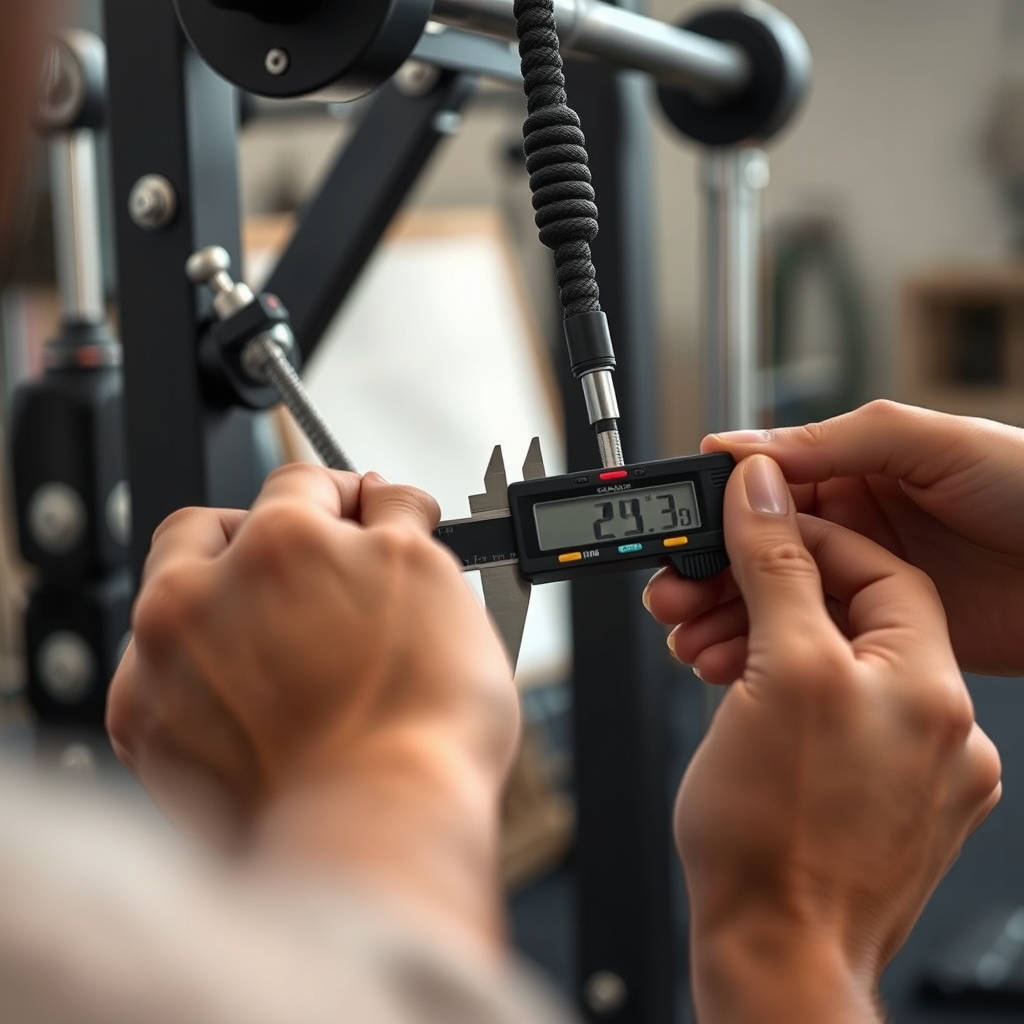
- Measure your machine’s attachment peg or carabiner bore (most are ½” or 5/8”)
- Check the maximum diameter of the attachment mounting ring—too large or too small won’t fit securely or may rub against pulleys.
- Inspect pulley spacing and routing if you plan to use wide or multi-grip attachments (narrow pulleys = grip restrictions).
- Demand “quick-change” or dual-size adapters—best sets come with adapters for both ½” and 5/8” pegs.
Universal fit is mostly a myth. Even among quality brands, file tolerances and finishes vary. When in doubt, email customer support with your machine model, peg dimensions, and ask for an exact measurement or photo of the attachment connection. See more tips in our compact home gym guide.
Durability, warranties and real longevity expectations
On paper, “lifetime” warranties sound great, but read the fine print: Many only apply to the steel bar—not to grips, pins, or rope ends, which fail first. A realistic benchmark for quality home gym cable attachments is hardware independently tested to 400–500 lb and manufactured with welded steel or braided rope core.
Maintenance matters: Wipe sweat after workouts, rotate use among attachments, and periodically inspect ropes and grips. Replace rope attachments if you see fraying—it’s a repairable component on some higher-end models, but most budget ropes must be replaced entirely.
Check for 1+ year coverage on all non-steel elements, and expect ropes and grips to last 1–2 years with regular use. For tips to prolong hardware life, review the techniques in our home gym maintenance guide.

Quick decision matrix — build your ideal attachments set by goal
| Buyer Type | Starter Attachments | High-Value Upgrades |
|---|---|---|
| Strength-Focused | Heavy-duty rope, solid straight bar, triangle row bar, cambered lat bar (≥400 lb rated, steel core) | Land-mine anchor, thick-grip or fat-handle attachments |
| General/Fitness/Functional | Long triceps rope, straight/V-bar, multi-grip/neutral bar, single-handle attachments | Land-mine handle, dual-clip connectors, specialty rotating grips |
| Budget/Minimalist | Long triceps rope, V-bar, one straight bar | Upgrade to steel core, powder-coat, better carabiners as items wear |
Base your upgrade path on what you actually use. If a piece sits unused for 3 months, you probably don’t need it. Track your exercise variety across training blocks to spot gaps (and avoid spending on gimmick tools).
Top 3 sub-topics competitors often miss
- Exact compatibility advice: Most reviews skip details on measuring your machine’s peg/bore or demand blindly accepting “universal” claims. Always check size with calipers and verify if adapters will work with both ½” and 5/8” pegs.
- Objective load-testing and ratings: Look for hardware tested to at least 400–500 lb—even intermediate lifters can outgrow 200 lb ratings quickly. Don’t just trust printed “max load”—ask for independent third-party test results, especially for ropes and joints.
- Maintenance, repair, and upgrades: Some attachments (higher-end triceps ropes, for example) allow you to replace rope cores or re-knurl grips. Maintenance info is rarely included, but checking wear monthly and swapping a $20 rope is far better than risking breakage during a lift.
For a real-world look at cross-compatible hardware, see the breakdown at REP Fitness.
FAQs & buy vs. build micro-decisions
Are aftermarket ropes or handles safe for heavy lifting?
Only if they come with clear load ratings (preferably >400 lb) and are built with steel-core or tightly-braided rope. Beware of generic, no-brand items or cheap Amazon imports that skip load documentation. When in doubt, opt for proven brands and test hardware integrity before serious loads.
Do I need a full cable machine attachments set or can I build over time?
Start with essentials: a triceps rope, straight or V-bar, and a lat bar cover most movements. Buy higher-cost specialty bars only if you will truly use them. Mixing brands is fine as long as you match pin/peg adapter sizing and load ratings.
How do I know when to upgrade or replace my cable attachments?
Replace any rope with visible fraying, sticky/gritty swivels, or torn grips. Inspect every few months—routine wear is expected with regular lifting. If your progress stalls due to grip or comfort issues, that’s also a good time to upgrade. Some brands (like REP and Rogue) sell individual replacement ropes or handles so you don’t need a new set each time.
What are red flags in listings or seller claims?
Watch out for vague “universal fit,” no listed load rating, thin/uncoated rope ends, plastic hardware, or reviews mentioning early breakage or poor fit. Low price combined with weak hardware is the biggest sign to skip an item. Aim for powder-coat steel, actual load specs, and good after-sale support.
Can I install cable-attachment upgrades on a compact or wall-mounted cable machine?
Usually yes, as long as you confirm the peg/adaptor fit and the machine frame can handle wide/cambered bars or long ropes. For compact setups, look for shorter (24″) attachments or multi-grip bars with quick-change carabiners. Our wall mounted cable machine guide covers sizing and installation specifics.
Recommended next steps & sample shopping list
Not sure where to start? Here’s an actionable, hierarchy-driven shopping list. Check off specs as you review product listings:
- Essentials: Heavy-duty triceps rope (24–30”, steel or hemp core, 400+ lb), straight bar (steel, knurled, powder-coat), V-bar (welded steel, ½” or 5/8” peg), triangle row bar
- Nice-to-have: Multi-grip/neutral bar, land-mine/anchor handle, thick single-handles, dual adapters
- Premium add-ons: Rotating multi-grip bar, long cambered lat bar (48”), specialty curl bars, pro-grade carabiners (≥500 lb)
Use this checklist on any product page before purchase:
- What’s the load rating? Is it independently tested?
- What’s the exact material (steel, rope core type)?
- Does it come with dual-size or quick-change adapters for both ½” and 5/8” pegs?
- Are all moving parts (swivels/pins) metal, not plastic?
- Is there a warranty for grips and ropes (not just steel body)?
- Can I find replacement parts or buy à la carte as I upgrade?
Final “How to Choose” Checklist: (screenshot this)
- Measure your machine’s peg/bore diameter—don’t guess
- Prioritize steel and powder-coat materials for durability
- Confirm load ratings and third-party specs (aim for 400–500 lb)
- Choose attachments that directly expand your real exercise options—not just “more stuff”
- Upgrade only as your training demands—not because a product bundle says so
Superior home gym cable attachments are an investment in long-term results—cut through the hype and focus on technical fit, real load specs, and construction quality. For smarter, safer training, apply this buying lens every time you research a new cable machine attachments set.