

Anti-inflammatory meal plan strategies offer real hope for busy people living with chronic pain or gut flare-ups. In this guide, you’ll get a practical, cost- and time-efficient 7-day anti-inflammatory diet plan that’s allergy-aware, evidence-based and ready to put into action—even if you shop at basic supermarkets, not fancy health stores.
Key Takeaways
- A well-structured anti-inflammatory meal plan can noticeably reduce pain and digestive symptoms within days, and builds habits for stronger results in 8 to 12 weeks.
- Batch-cooking, frozen/canned staple swaps and simple meal templates save time and money—no specialty grocers required.
- Track your top 5 simple metrics (pain, gut, energy, meds, sleep) to measure if the plan works for you, and adjust as needed.
- Why a structured 7-day anti-inflammatory meal plan works (and what to expect)
- Quick summary of the clinical evidence (2022–2024): what actually changed in trials
- Top three user obstacles and how this plan solves them
- Evidence-backed foods to prioritize (what to include every day)
- Popular items that are mostly hype or need nuance
- Measurable metrics to track during and after the 7 days
- 7-day meal structure and macros — what each day should look like
- 7-day sample menu (high-level — meals & snacks; vegetarian and allergy swaps)
- Grocery list + batch-cook schedule (time and cost saving)
- Cost considerations and realistic budgeting advice (US & UK guidance)
- Allergen and ingredient concerns — what to flag and how top plans handle them
- Behavioural tactics to make the 7 days stick (social eating, cravings, habit change)
- When to expect clinical benefit and when to seek medical advice
- Suggested references and clinician/RD resources to link
- FAQs
Why a structured 7-day anti-inflammatory meal plan works (and what to realistically expect)
Jumping into a 7-day anti-inflammatory meal plan gives you a realistic, science-backed way to lower everyday inflammation. While major clinical improvements (like drastic pain reduction or lower markers like CRP and IL-6) show up strongest after 8–12 weeks [Sala-Climent 2023], most people experience some symptom ease, lighter digestion and better energy within a week. This plan isn’t a miracle fix—it’s a reset to help you start new habits, identify trigger foods, and measure whether an anti-inflammatory approach actually works for you, without setting impossible rules or breaking the bank.
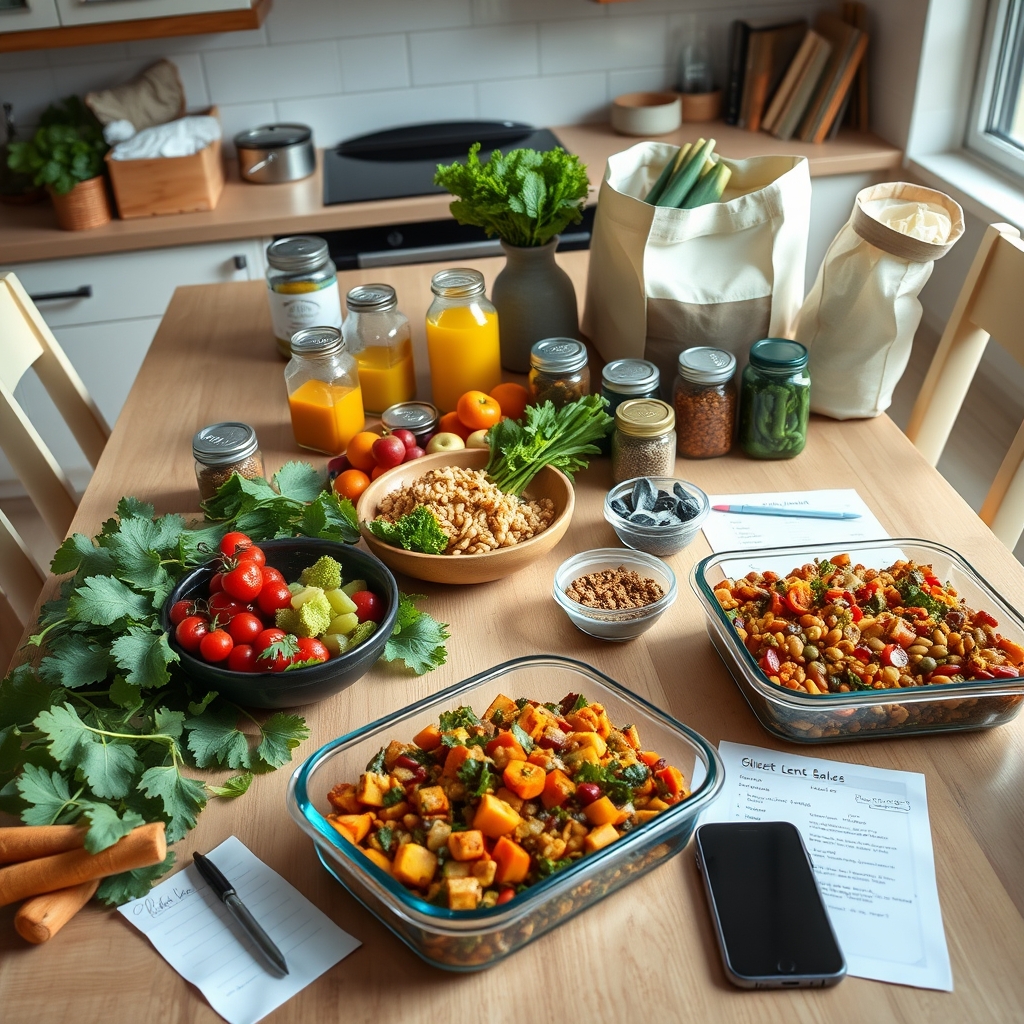
Quick summary of the clinical evidence (2022–2024): what actually changed in trials
What can you expect from a 7-day anti-inflammatory diet plan? Here’s what solid recent studies found in people with chronic pain, autoimmune inflammation, and IBS:
- Chronic pain: In a 2023 pilot, after 8 weeks, participants saw statistically significant drops in pain intensity, tenderness, need for painkillers, and lab markers (CRP, IL-6). [Frontiers in Nutrition 2023]
- Rheumatoid arthritis: After 12 weeks, a Mediterranean-style anti-inflammatory meal plan resulted in a 30% decrease in disease activity and a 25% reduction in swollen joints. Gut health also improved. [Healthline, 2022 RCT]
- IBS & gut health: A 2023 trial found improved stool consistency, less pain and beneficial increases in gut bacteria with a fiber- and polyphenol-rich anti-inflammatory diet.
The bottom line? Expect some symptom reduction in your first week, with bigger impacts for joint pain, mood, and digestion in the 8–12 week range. Track your own results (see below) for a true “before and after.”
Top three user obstacles and how this plan solves them
- Perceived high cost/availability: Most think the 7-day anti-inflammatory diet plan relies on expensive fresh produce and specialty products. Actually, using frozen veg, canned beans/fish and basic grains (brown rice, oats, lentils) keeps costs low while hitting all goals. Check the grocery and budget sections below.
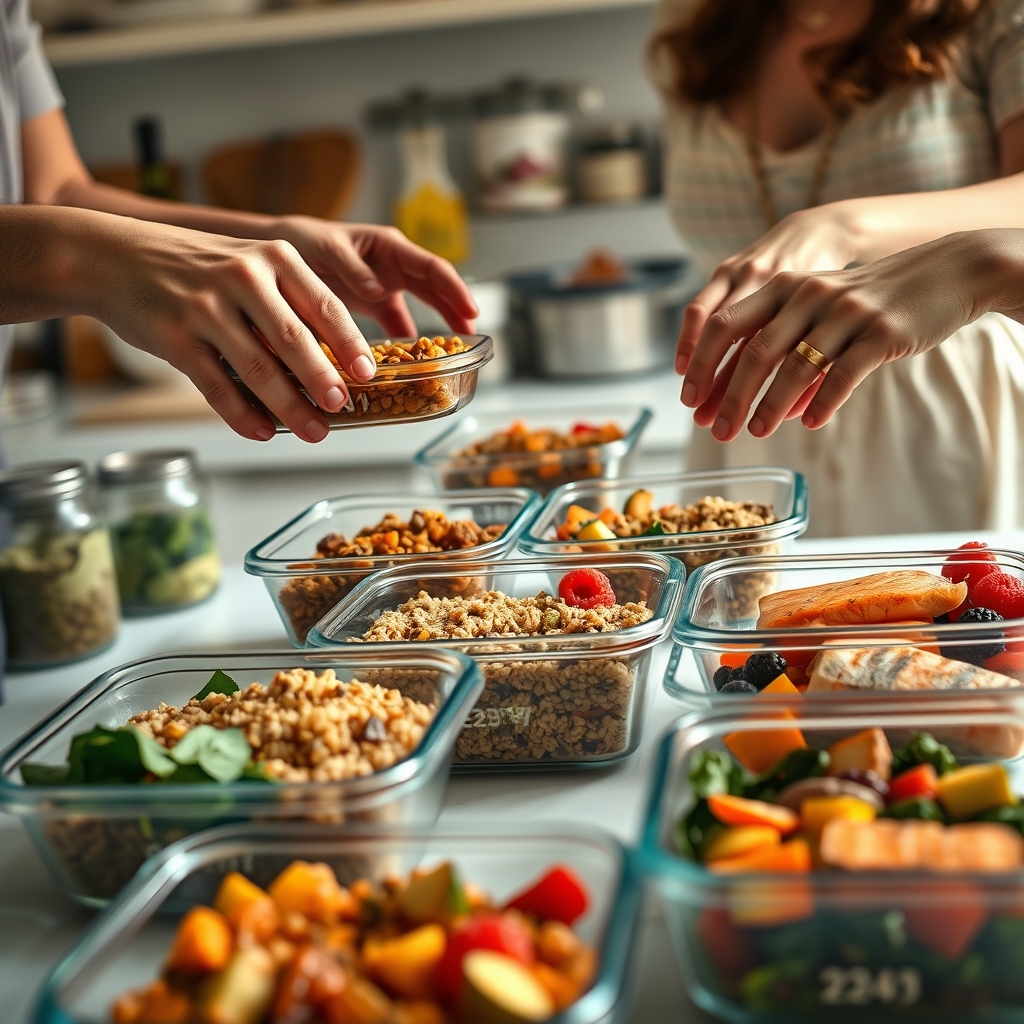
- Time and prep burden: Users report batch-cooking or prepping individual recipes is overwhelming. This plan gives you a single 2-hour prep window to roast, cook grains and beans, and prep snack boxes for the week—saving five hours and reducing stress.
- Breaking habits/social eating: Dropping old snack habits or navigating family and social meals is tough. Here, the plan builds in easy-to-pack options (fridge snack boxes, “batch bowl” lunches) and substitutes for social events, so you aren’t stranded or left out.
For more strategies on building lasting new eating patterns, see our guide on emotional fitness and resilience.
Evidence‑backed foods to prioritize (what to include every day)
- Leafy greens & cruciferous veg: Spinach, kale, broccoli—these lower cytokines and support antioxidant defenses.
- Berries: Blueberries, raspberries offer high polyphenols (cell protection, pain relief). Frozen works just as well as fresh.
- Legumes: Beans, chickpeas, lentils—fiber, plant protein, gut microbiome boosters. Use canned, rinsed beans for cost and time savings.
- Omega‑3-rich fish: Salmon, mackerel, sardines—easily hit anti-inflammatory targets even with frozen or canned fillets.
- Olive oil & nuts: Support healthy fats, curb inflammatory omega‑6 dominance. Allergy options: pumpkin or sunflower seeds instead of nuts.
- Anti-inflammatory spices: Turmeric, ginger, cinnamon, garlic—add to roast veg, dressings and teas. (If on anticoagulant meds, review turmeric use with your doctor.)
- Fermented foods: Yogurt (dairy or coconut), kefir, kimchi, sauerkraut—improve gut health and ease IBS symptoms. Try plain, unsweetened, or naturally fermented types.
The take-home: build every meal around plant-forward, minimally processed choices—leafy greens, beans, berries, nuts/seeds, and omega‑3-rich fish. See this principle in action with our metabolic health diet recommendations for busy adults.
Popular items that are mostly hype or need nuance
- “Detox” juices & single miracle foods: No evidence these reverse chronic inflammation; they often spike blood sugar and lack fiber.
- Blanket exclusion of nightshades (tomato, eggplant, potato): Most people tolerate these well—exclude only if you notice clear flares or have a diagnosed sensitivity.
- Nuts: Unless you have a nut allergy, including almonds, walnuts or seeds supports anti-inflammatory targets. Use pumpkin or sunflower seeds as subs for nut-free needs.
- All plant oils are bad? Not true—extra-virgin olive oil is very anti-inflammatory, while refined seed oils (corn, soybean) can promote inflammation so keep those minimal.
- Highly-processed foods, added sugars, and fried snacks drive inflammation—prioritize basic staples to sidestep hype and keep costs down.
Sources: Harvard Nutrition Source, EatingWell 7-day plan
Measurable metrics to track during and after the 7 days
- Pain score (0–10 scale, daily or average for week)
- Stool consistency (Bristol scale, or “firm/soft/loose/norm”)
- Analgesic/anti-inflammatory medication use per day/week
- Sleep quality (self-rated 1–10, or use a sleep tracker)
- Energy/fatigue score (self-rated 1–10)
- Food & flare log (one line daily: “What flared, what helped”)
For gut health, note any changes in bloating, urgency or regularity. Major symptom reductions in studies appeared after 8–12 weeks, but early wins help refine your approach.
| Metric | How to Track | Expect Results | When to Seek Advice |
|---|---|---|---|
| Pain score | 0–10 daily log | 1+ point drop in week 1; bigger over 8–12 weeks | Sudden new/worsening pain or fever |
| Stool consistency | Bristol chart, note type daily | Smoother/regular after a few days | Bloody/mucous stools, dehydration |
| Medication use | Log dose/frequency | Gradual reduction (never stop prescribed meds without doctor’s input) | Needing more meds, withdrawal effects |
| Sleep/energy | 1–10 self-rating | Improved by day 7 for many | Insomnia worsening, daytime sleep attacks |
See how food changes link to better sleep in our sleep hygiene checklist.
7-day meal structure and macros — what each day should look like
This 7-day anti-inflammatory diet plan follows proven daily templates for satiety, balance and anti-inflammatory targets:
- Breakfast: Protein + fiber + healthy fat + fruit/veg
- Lunch: Plant/protein bowl (legumes or fish) + greens + healthy fat + whole grain
- Snack(s): Seed/nut mix, fruit, plain yogurt, veggie sticks with hummus
- Dinner: Lean protein (legume, fish, tofu) + high-fiber grain + 2+ cups vegetables + anti-inflammatory spices
Standard plan: 1,500 calories/day (mod up for higher energy needs; add extra beans, grains, oil for 2,000 calories). At minimum: 54 g protein daily and 30+ grams fiber.
See EatingWell’s anti-inflammatory meal plan for specifics.
7-day sample menu (high-level — meals & snacks; vegetarian and allergy swaps)
- Day 1: Oat porridge with berries + pepitas (swap sunflower if nut-allergy). Lunch: Lentil bowl with greens, leftover roasted veg. Dinner: Sheet-pan salmon (or white beans), sweet potato, steamed broccoli. Snack: Plain yogurt (dairy or coconut), apple slices.
- Day 2: Tofu scramble or egg with spinach & herbs. Lunch: Chickpea salad wrap (GF tortilla if sensitive). Dinner: Ratatouille with quinoa, chickpeas. Snack: Roasted chickpeas, berries.
- Day 3: Overnight oats with flax, frozen blueberries. Lunch: Mackerel salad (or bean salad for veg), beetroot. Dinner: Spiced lentil curry, brown rice, sautéed greens. Snack: Sliced bell pepper, hummus (tahini-free for sesame allergy).
- Day 4: Smoothie: berries, spinach, seed butter, unsweetened kefir. Lunch: Quinoa tabbouleh with white beans. Dinner: Baked cod (or tempeh), root vegetables, sautéed cabbage. Snack: Carrot sticks, olive tapenade.
- Day 5: Chia pudding (soaked in oat milk), kiwi. Lunch: Leftover lentil stew, steamed kale. Dinner: Stir fry turkey/tempeh, broccoli, snap peas, brown rice. Snack: Orange, pumpkin seeds.
- Day 6: Veggie-packed frittata or chickpea scramble. Lunch: Grain salad bowl, roasted veg, nuts/seeds. Dinner: Sardines (tinned in olive oil) or tofu, green beans, quinoa. Snack: Yogurt/fruit parfait.
- Day 7: Oats, grated apple, cinnamon, walnuts (sub seeds). Lunch: Avocado, canned salmon (or white beans), greens salad, vinaigrette. Dinner: Roasted root veg, lentils, wilted spinach. Snack: Banana, nut/seed butter.
Allergy/vegetarian/IBS swaps: Use pumpkin or sunflower seeds for nut-free needs. Substitute tofu or extra beans for fish. Avoid onion/garlic if FODMAP-sensitive; try garlic-infused oil.
Each day now includes a fermented food or pre- and probiotic fiber for gut benefit, reflecting latest IBS research.
Explore more affordable diet strategies for mood and gut in our gut-brain axis guide.
Grocery list + batch‑cook schedule (time and cost saving)
Batch-cooking transforms this plan into a real-world win. Here’s how you save time and money:
Two-hour Sunday prep:
– Roast large tray sweet potato, carrots, beets, cauliflower
– Cook 2 cups lentils, 1 cup quinoa, and 1 large pot brown rice
– Stir up quick dressings (olive oil, lemon, mustard), chop greens, prep snack boxes (veg sticks, hummus, seed mix)
– Portion single-serving yogurts, berries, and top with seeds/nuts
Grocery list overview
- Produce (fresh/frozen): Leafy greens, broccoli, cabbage, carrots, sweet potato, beets, berries, bell pepper, apple, banana, citrus, avocado (buy what’s in season or frozen)
- Pantry: Brown rice, quinoa, lentils, chickpeas, black beans (use dry bulk or canned, rinsed), tinned salmon/sardines, tofu, extra-virgin olive oil, nut/seed butter
- Fridge/Allergy-alternatives: Dairy/alt yogurt, unsweetened kefir, eggs or egg substitute, plant milk, pumpkin/sunflower seeds
- Flavor/Boosters: Turmeric, ginger, garlic, black pepper, herbs
Storage: Freeze extra cooked grains and veg in containers for fast batch lunches. Prep snack and salad kits for 3–4 days at a time. Find more kitchen hacks in our muscle recovery meal prep playbook.
Cost considerations and realistic budgeting advice (US & UK guidance)
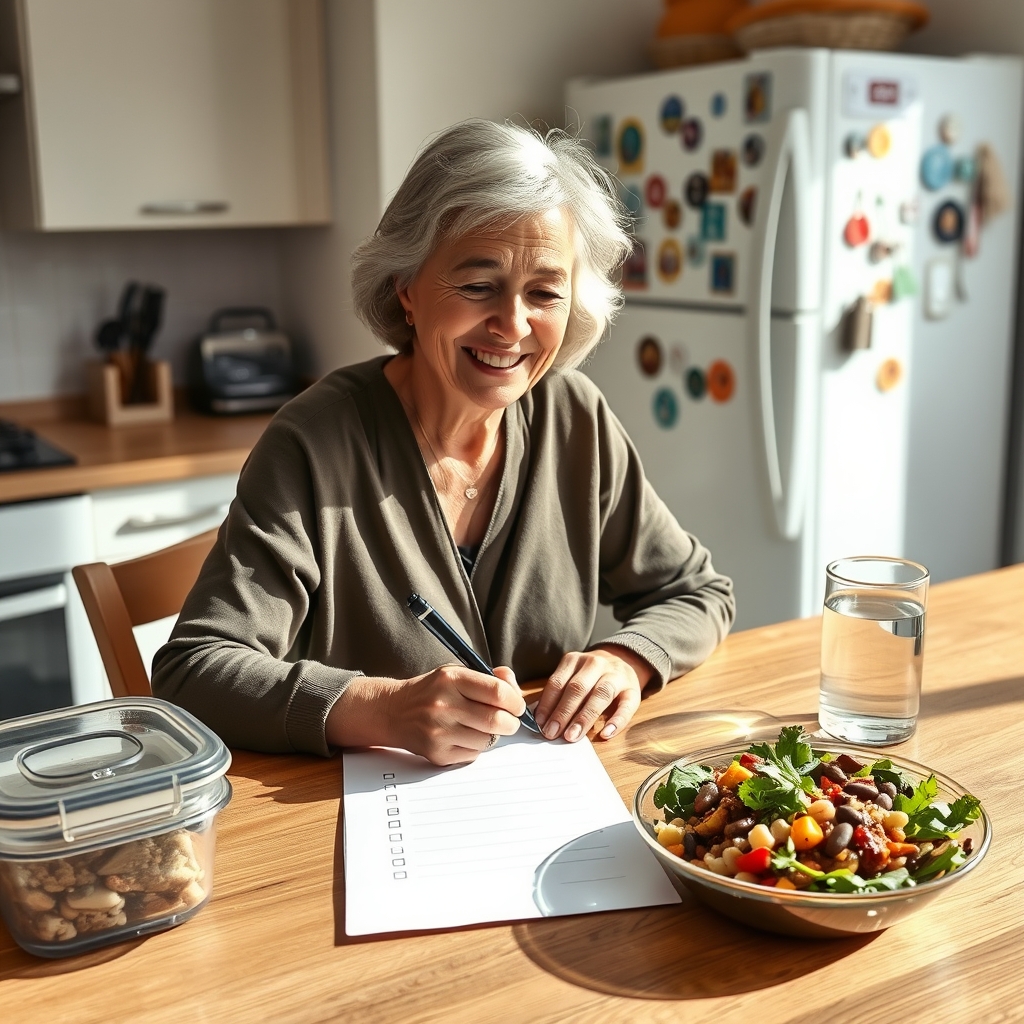
Concerned about food cost? Here’s how to keep your anti-inflammatory meal plan affordable:
- Use frozen and seasonal produce—frozen berries, spinach, and vegetables are just as nutritious, with longer shelf life and lower price per serving.
- Choose bulk grains (rice, oats, lentils), canned beans/legumes, and tinned fish (salmon, sardines) as your protein core.
- Buy olive oil and seeds/nuts in larger bottles/bags (warehouse or bulk aisle) to save over time.
- Sample price template: basic 7-day list (midwest US or UK Midlands) with swaps is ~$50–60 USD/£45–50 per week for 1 adult.
- Skip “superfood” powders, expensive snacks, or bars—whole food is cheaper and more satisfying.
Cost and time are the top two obstacles cited by anti-inflammatory diet beginners [MyOrthrive 2023]. This menu uses core supermarket staples only—no fancy stores required.
Allergen and ingredient concerns — what to flag and how top plans handle them
Common allergens: nuts, dairy, eggs, soy, shellfish. If you’re sensitive or following a low-FODMAP plan for IBS, you may need to skip garlic, onion, or certain beans. Key swaps:
- Nut-free: Pumpkin, sunflower, hemp or chia seeds instead of tree nuts
- Dairy-free: Coconut, almond or soy yogurt and kefir; extra-virgin olive oil for butter subs
- GF: Brown rice, GF oats, quinoa
- Low FODMAP: Use garlic-infused oil, swap lentils for canned/frozen black beans (well rinsed), keep portions small
- Vegan: Mix and match beans, tofu/tempeh, seeds for all meals; skip fish, include B12 source if long-term
- Nightshade-free: Focus on leafy greens, crucifers, root veg, avoid tomatoes/peppers/eggplant as needed
If you have multiple food triggers or use prescription meds targeting inflammation (e.g., RA, anticoagulants), consult a registered dietitian before making big changes. See Harvard’s Nutrition Source for guidance.
Behavioural tactics to make the 7 days stick (social eating, cravings, habit change)
- Social events: Bring your own snack, volunteer a veggie tray or bowl to share, or eat before going out.
- Craving rescue: Pre-portion snackable nuts, roasted chickpeas or veggie sticks for instant reach.
- Planned treats: Allow a once-per-week treat window to prevent feeling deprived.
- Micro-habits: Pair batch-cooking with a podcast, leave fruit out (not chips) for snacking, or join a meal swap with a friend.
- Track streaks: Use a calendar to keep a streak of cooking days or “anti-inflammatory swaps” for motivation.
For more science-based ways to change eating habits, see our emotional fitness guide.
When to expect clinical benefit and when to seek medical advice
- Improvements on a 7-day anti-inflammatory diet plan often start with better energy, lighter digestion, and lower pain, but major benefits (pain scores, gut markers, less swelling) typically take 8–12 weeks, as proven in clinical trials [Frontiers in Nutrition 2023].
- If you experience rapid worsening of pain, gut bleeding, or major fatigue—or plan to alter prescription meds—contact your doctor promptly.
- High intakes of turmeric or fermented foods can interact with anticoagulants and immunosuppressive meds—always ask your healthcare team if unsure.
- Keep your medication schedule stable unless you have medical input for any changes.
Suggested references and clinician/RD resources to link
- Sala‑Climent et al., Frontiers in Nutrition 2023 (Chronic Pain Pilot)
- Harvard Nutrition Source: Anti-inflammatory Diet Review
- EatingWell 7-Day Anti-Inflammatory Meal Plan
- Healthline: 7-Day RA Evidence Summary
- Gut-Brain Axis & Mood Evidence Guide
Conclusion: Next steps for your anti-inflammatory meal plan journey
This practical, cost-effective 7-day anti-inflammatory meal plan can help you take control of chronic pain, fatigue and gut health—no specialty stores, overhyped foods or endless prep required. Batch-cook once, track your five key metrics, swap for allergies, and measure what matters. Anti-inflammatory meal plan strategies are most effective when you personalize for your needs and track progress. Ready to see what’s possible in just 7 days?
- Download: Printable Grocery List
- Get: 7-Day Downloadable Menu
- Start today: Print and fill your 5 metrics checklist—and share your results with your healthcare team.
Frequently Asked Questions
Is a 7-day anti-inflammatory meal plan safe for everyone?
Most adults can safely try this plan, but if you have chronic diseases (RA, Crohn’s, kidney, heart conditions) or take warfarin or immunosuppressants, check with your doctor first. Adjust for allergies and sensitivities.
Can I substitute frozen or canned foods and still get the benefits?
Yes—using frozen vegetables, berries and canned beans or fish preserves both nutrients and anti-inflammatory effects, and often costs less. Rinse canned beans well to reduce sodium.
Will I see results in just 7 days?
You may notice less bloating, better energy and “lighter” joints within a week, but evidence shows bigger symptom changes after 8–12 weeks. Track your metrics to measure what shifts.
How do I manage eating out or social meals on this plan?
Look for plant-forward menu options, bring snack boxes, or eat before you go. Communicate any allergies. Don’t aim for “perfect”—aim for consistency most of the time.
What if I have IBS or food intolerances?
Adapt with low-FODMAP swaps (garlic oil, certain beans, gluten-free grains), and avoid personal trigger foods. Track your digestion, and consider guidance from a registered dietitian.