

Continuous glucose monitor non-diabetic users have rapidly increased in recent years, with many health-focused individuals tracking their blood sugar to support weight loss and boost daily energy. If you’re thinking about whether this technology is worth it for your wellness or fitness goals, this guide cuts through myths with up-to-date research, a step-by-step protocol, cost clarity, and clear-sighted analysis of risks and benefits for non-diabetics.
Key Takeaways
- Using a continuous glucose monitor (CGM) as a non-diabetic can drive modest weight loss (about 2–4 percent over 8–12 weeks), better daytime energy, and improved sleep—but most benefits are from small studies and real-world pilots, not large clinical trials.
- CGMs are now widely available over the counter and through wellness platforms, but out-of-pocket costs can be substantial and insurance rarely covers CGMs for non-diabetics.
- Common pain points include skin irritation, variable accuracy for healthy users, lack of medical alerts, and possible anxiety around constant blood sugar data. Filtering data wisely and understanding its limits are crucial.
- Why CGMs moved from diabetes care to the wellness mainstream
- A practical 8–12 week protocol for weight loss and energy optimization using a CGM
- Advanced analysis and common pitfalls for non-diabetic CGM users
- Conclusion: Is a CGM right for you?
- Frequently Asked Questions
Why CGMs moved from diabetes care to the wellness mainstream
Originally invented to keep insulin-dependent diabetics safe, the modern CGM is now a mainstay in the health optimization toolbox. Between 2020 and 2024, non-diabetic adoption of continuous glucose monitor non-diabetic use has exploded. OTC (over-the-counter) device approvals—like Dexcom Stelo, cleared by the FDA in March 2024—paired with wellness apps (Levels, Nutrisense), have shifted CGMs into everyday use by athletes and wellness seekers.
To put this in perspective: “In 2024 roughly three-in-ten continuous glucose-monitor (CGM) users are people without diabetes—a share that has risen sharply from about one-in-ten in 2020″ (News Medical, 2024).
What does this mean for you as a health-focused consumer? Much broader access, but also, less medical oversight and more need for smart, evidence-driven use. CGMs are now simple, accurate enough, and connect easily to your smartphone, but using them well goes far beyond just sticking on a sensor.

A practical 8–12 week protocol for weight loss and energy optimization using a CGM
Ready to use a CGM for weight loss and energy optimization? Here’s a realistic 8–12 week playbook, grounded in the latest science and practical experience of thousands of non-diabetic users and clinicians.
- Baseline Monitoring (Week 1): Apply your CGM and wear it for seven days without changing your usual meals, snacks, or exercise. Log what you eat, workout times, sleep hours, and energy/mood notes. Don’t judge—just watch and collect real data on your “default” choices.
- Meal & Lifestyle Testing (Weeks 2–3): Identify 2–4 common meals or situations (e.g., oatmeal breakfast, pizza night, fasted workouts).
- Test one variable at a time—try eating the same food at different times, or after a brisk walk vs. none.
- Track the “excursions”—how high and for how long your glucose rises (ideally, aim for after-meal peaks under 140 mg/dL and a quick return to baseline, but don’t panic if you see normal, short-lived spikes).
- Log energy, mood, hunger 60 and 120 minutes after eating.
- Targeted Interventions (Weeks 4–10): Use insights from earlier weeks to change one thing at a time:
- Swap refined carbs for extra protein powder or fiber-rich foods at meals that triggered higher spikes.
- Try moving dinner earlier, or walking for 10–15 minutes after higher-carb meals.
- Experiment with pre or post-exercise fueling based on which patterns gave you the best energy.
- Pay special attention on stress and sleep—notice if bad nights are linked with increased glucose variability.
Track your results by both your CGM readings and subjective improvements—weight, energy, sleep quality.
- Assess Outcomes (Weeks 11–12): Compare your data against baseline. Many pilot studies show non-diabetic users lose 2–4 percent of body weight over 8–12 weeks with food and activity changes guided by CGMs (but not without, so the device enables behavior change, not “magic”). Note if your energy, sleep, and workout performance felt more consistent.
- Decide Next Steps: Decide if you want to repeat the cycle with new focus meals or triggers, or if you have learned enough to retire the CGM for now.
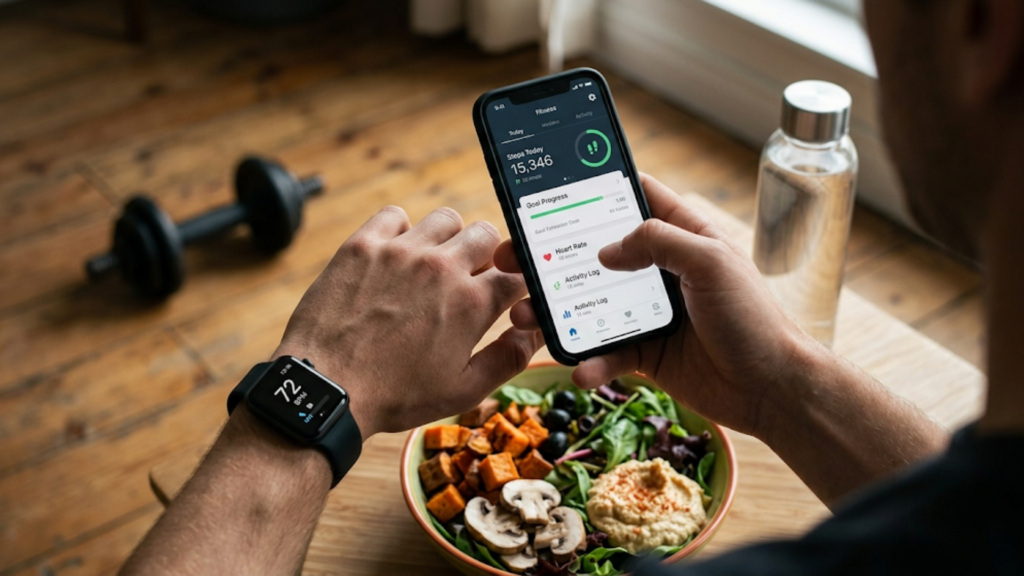
For further personalization, consider combining CGM with innovative strategies from our Personalized Nutrition Plan AI or evidence-based metabolic health approaches in this Metabolic Health Diet Guide.
Remember: Expect “modest” but measurable changes—CGM by itself is not a weight-loss treatment, but when used wisely, it can reveal how your own routine creates winning days or sleepy afternoons, and help you sustain changes that matter.
Advanced analysis and common pitfalls for non-diabetic CGM users
CGMs are valuable but far from perfect—especially for people without diabetes. Here are the top issues, with solutions:
| Pitfall | Details | How to Mitigate |
|---|---|---|
| Accuracy in Normal Range | Sensors are less precise for “normal” blood sugars, sometimes off by 10–15 mg/dL, leading to worry over harmless fluctuations. | Don’t obsess over single readings; focus on repeated meal or exercise patterns. |
| Skin Irritation or Adhesive Issues | Up to 10 percent of users report itchiness or rash at the sensor site. | Use hydrocolloid base patches or skin-prep wipes before applying sensor; rotate placement. |
| No Critical Alerts | OTC models like Dexcom Stelo don’t warn for dangerous highs/lows in healthy users. | Set manual review windows or use companion apps for pattern tracking, not real-time alarms. |
| Data Anxiety | Constant data can trigger worry or “over-medicalization.” | Limit “data-checking” to 2–3 summary times per day; zoom out to spot trends, not obsess over every spike. |
| Cost Over Time | Device, sensor, app fees easily add up to $120–$250 per month. | Plan usage in cycles (e.g., two 6-week campaigns per year) rather than year-round. |
| Limited Guidance for Non-Diabetics | Most “normal range” spikes are harmless; experts warn against over-interpretation. | Follow guidance from reputable sources; see Mass General Brigham’s caution on non-diabetic CGM interpretation. |
Regulation is also changing—devices like Dexcom Stelo are now available OTC, but experts at UCL and Mass General Brigham warn about lack of clear interpretive frameworks for non-diabetics. Insurance typically will not reimburse CGMs for wellness; out-of-pocket costs are the norm.
For a deeper cost breakdown—and to assess if the investment fits your budget—read our full analysis of personalized nutrition AI plans and this guide to fat metabolism boosters.
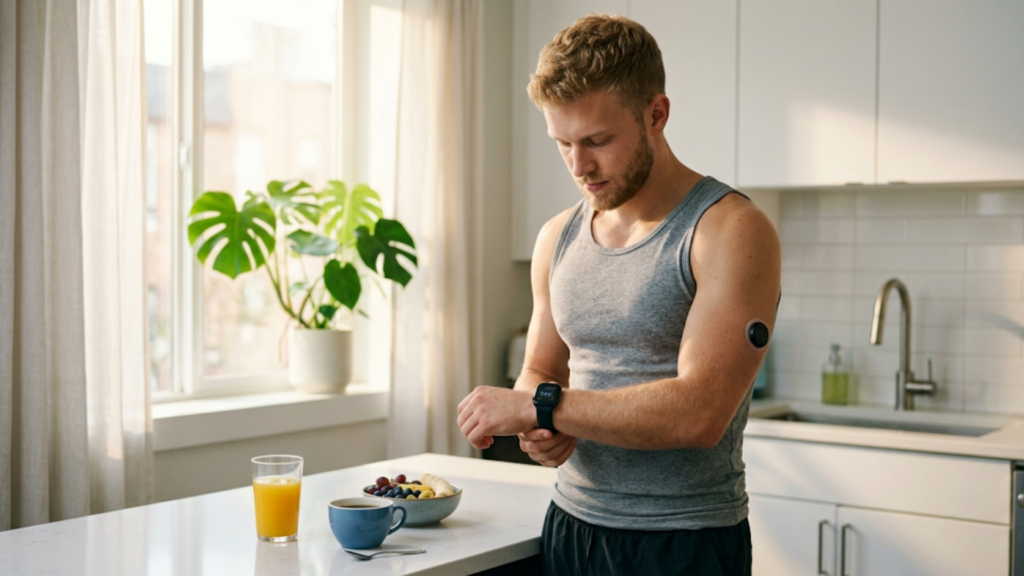
Conclusion: Is a CGM right for you?
If you are a healthy but data-driven individual aiming for weight loss or more stable energy, a continuous glucose monitor non-diabetic protocol can provide personalized insights. Research shows you can expect modest improvements (2–4 percent weight loss over 8–12 weeks, steadier energy for many), but be prepared for mixed accuracy, high DIY costs, and a need to self-manage emotional responses to data.
Curious to test it for yourself? Consider a focused 8- to 12-week cycle, track both numbers and subjective wins, and set a firm end date to avoid “wearable burnout.” If major irregularities or symptoms appear, consult a clinician for interpretation. For sustained results, link your CGM experiment to broader metabolic health changes—see our Metabolic Health Diet and game-changing Zone 2 Cardio strategies.
Above all: Use data as a guide, not a verdict.
Frequently Asked Questions
Will my insurance cover a CGM for wellness if I do not have diabetes?
No—insurance policies almost never cover CGMs for non-diabetic wellness or weight loss purposes. You’ll pay out-of-pocket for the device, sensors, and platform subscriptions.
Do OTC CGMs like Dexcom Stelo alert for dangerous lows or highs?
No—the first OTC model Dexcom Stelo is not programmed to send alerts for hypo- or hyperglycemia for people without diabetes. These features remain limited to prescription use in diabetic management.
When should I be concerned about my CGM data as a non-diabetic?
If you notice several days of unexpectedly high readings (persisting above 140–160 mg/dL) or repeated symptoms like faintness, sweating, or confusion, seek medical advice. Short spikes after meals are normal, but persistent abnormal trends warrant a check-in with a clinician.
Can I use a CGM to prevent diabetes or guarantee long-term health?
There is no strong evidence that CGMs prevent type 2 diabetes or serve as a validated treatment in non-diabetics (npj Digital Medicine, 2023). CGM can motivate positive change, but should not be seen as a substitute for clinical care or screening.
How can I avoid CGM-related skin irritation?
Apply a hydrocolloid patch beneath the sensor or use skin-prep wipes. Rotate sensor sites with each new session, and stop use if rash or discomfort persists.