

Longevity supplements are gaining huge attention among health-focused professionals aged 40 to 65, but recent evidence tells a more nuanced—and practical—story than the marketing hype suggests.
Key Takeaways
- NMN shows the most consistent evidence of raising NAD+ and modestly improving energy and function at 600 mg daily, but benefits plateau in 30–60 days.
- Resveratrol’s human results are underwhelming, with limited absorption and some safety concerns at high doses.
- Fisetin and other senolytics are still awaiting proof of real-world benefit in large trials—formulation and product quality are critical for all longevity supplements.
- Quick take — what the latest trials actually show
- How to read longevity supplement evidence (RCTs, open-label, preclinical)
- NMN — what the 2023–2024 human data say (efficacy, dosing, safety)
- Resveratrol — why human data are disappointing and safety flags
- Fisetin and senolytics — early human data and unanswered questions
- Common real-world complaints, risks and buyer frustrations
- The three subtopics top competitor articles miss (and must cover)
- Practical buying and product evaluation checklist (brands, formulations, third-party testing)
- Dosing, safety precautions, and personalization (who may benefit or be harmed)
- What to try first (evidence-weighted starter protocol) and what to wait for
- Sources, further reading, and trials to watch (2024–2025)
- FAQ
Quick take — what the latest trials actually show
Most people exploring longevity supplements want measurable, science-backed results, not just slick promises. The last two years have delivered high-quality data—here’s what you need to know.

NMN stands out from recent trials, showing dose-dependent increases in NAD+—your body’s cell-energy currency—and modest but significant gains in performance and general well-being. In a double-blind, 60-day study of adults aged 40–65, those taking 600 mg daily improved their six-minute-walk distance and quality of life (SF-36 scores), with 900 mg remaining well tolerated but no major added benefit. See clinical data.
Resveratrol remains popular, but the human evidence lags far behind preclinical promise. Poor absorption leads to minor if any benefits, and one concentrated SRT501 trial was stopped after kidney injury in 5 out of 24 participants. Even in the well-funded Interventions Testing Program (ITP), resveratrol failed to extend mouse lifespan [ITP research].
Fisetin, promoted as a “senolytic” to clear dysfunctional cells, is still in its early days. Safety data look good up to 20 mg daily, with only mild stomach upset reported, but there’s no proof yet that it lengthens lifespan or healthspan in humans. Larger efficacy trials are only just underway [Healthpath].
If you want a clear result and minimal risk, NMN is the best-studied compound for now. However, the overall magnitude of benefit is mild, and uncertainties remain on long-term effect and for people with underlying conditions.
How to read longevity supplement evidence (RCTs, open-label, preclinical)
Knowing how to judge the quality of supplement evidence is essential before opening your wallet. Here’s how the hierarchy works—and what pitfalls matter most.
In supplement science, human randomized controlled trials (RCTs) provide the gold standard for evidence. Open-label studies (where everyone knows what’s being taken), carry more bias. Animal and cellular tests, while interesting, are unreliable for predicting benefits or side-effects in people.
Even when a supplement like resveratrol shows impressive results in mice, human data may disappoint. For example, the ITP program found no lifespan extension in rodents, and human trials consistently highlight resveratrol’s low bioavailability and underwhelming metabolic effect [Jinfiniti].
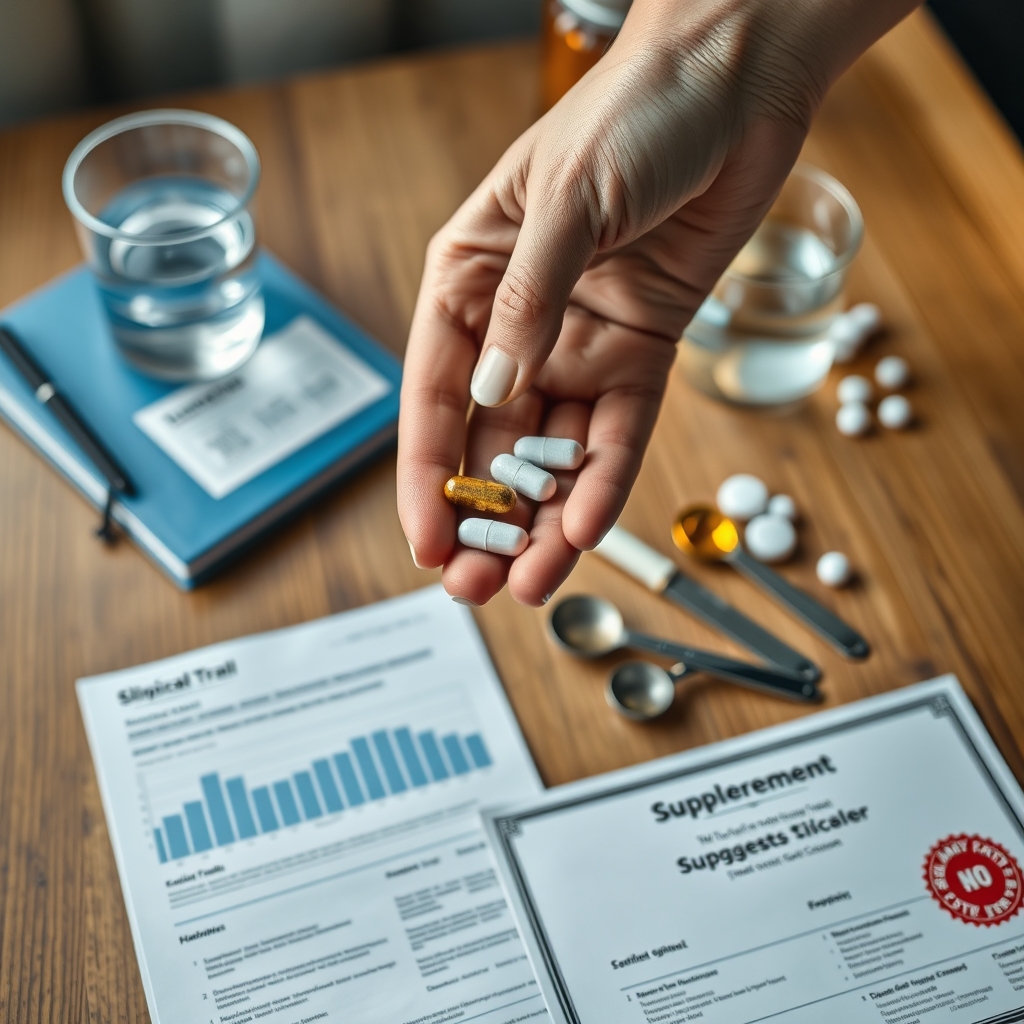
Small sample sizes, short study durations, and unreliable outcome measures make it tough to spot genuine breakthroughs. Anything that’s still “preclinical” or “pilot” needs much more proof before being considered among the best supplements for longevity and aging.
NMN — what the 2023–2024 human data say (efficacy, dosing, safety)
NMN is now the leading evidence-based longevity supplement—if you pick the right dose and prioritize brand quality. A multicenter, double-blind RCT in adults 40–65 showed:
- NAD+ levels in blood rose in a dose-dependent manner, topping out at 600 mg daily. Higher doses (900 mg) did not increase benefit but were still safe.
- Walking performance (six-minute-walk test) and self-rated health (SF-36) improved modestly in 60 days.
- No major adverse events. Minor side effects (e.g., mild GI upset) were similar to placebo.
Another short-term trial in hypertensive patients (800 mg/day for 30 days) suggested NMN may modestly lower blood pressure and improve vascular function—though some people saw no effect at all [trial summary].
Limitations: Most NMN trials last 1–2 months and recruit healthy volunteers, so real healthspan or long-term benefits are not yet confirmed. Always track your own response, and involve your clinician before starting new supplements.
Resveratrol — why human data are disappointing and safety flags
Resveratrol has long been marketed as a “red wine longevity molecule,” but the human data don’t back the hype. Key points:
- Human absorption is poor—less than 1% of oral dose is bioactive. Most measurable effects occur at high, expensive doses.
- The largest, most rigorous animal trial (ITP) found no increase in healthspan or lifespan. In humans, most studies show minor or no metabolic benefit, even with micronized resveratrol formulations.
- Safety concerns: A high-dose resveratrol product (SRT501) trial was stopped early after 5 participants suffered kidney injury [Serious side-effect report].
Common side effects include GI upset, headache, and (rarely) elevated liver or kidney enzymes, mostly at higher doses or with concentrated formulations. Use with medical monitoring if you have existing kidney conditions.
Fisetin and senolytics — early human data and unanswered questions
Fisetin, celebrated in animal studies for “senolytic” activity (helping clear aged or dysfunctional cells), remains unproven in humans. Phase I/II safety results are promising—doses up to 20 mg daily were generally well tolerated, with only occasional mild digestive discomfort. However:
- No large human trials have confirmed actual healthspan or aging benefit.
- Ongoing trials are still recruiting; efficacy endpoints like inflammation reduction or cognitive protection are not yet published.
- Bioavailability (how much active ingredient you absorb) is a known problem—formulation really matters.
It’s wise to wait for data before investing heavily in fisetin or similar senolytic blends.
Common real-world complaints, risks and buyer frustrations
Buying longevity supplements isn’t risk-free. Real-world users report:
- No clear benefit, even after months—few experience major performance or energy boosts.
- High costs: most regimens run $50–$150 per month for a credible daily dose.
- Product inconsistencies: Label claims, dosing, and purity often vary between brands.
- Common mild side effects: stomach upset, “flushing,” headache, GI changes. Rare but serious: kidney or liver issues (noted with some resveratrol cases).
| Supplement | Trial-Backed Dose | Main Benefits Observed | Typical Side Effects | Product Risk |
|---|---|---|---|---|
| NMN | 600 mg/day | ↑ NAD+, modest walk test & QOL | Mild GI upset, rare headache | Varied purity/labeling |
| Resveratrol | Depends; micronized >1 g/day | Minor if any metabolic effect | GI upset, rare kidney/liver issue | Safety at high doses unclear |
| Fisetin | Up to 20 mg/day (early data) | No confirmed efficacy | Stomach upset (mild) | Effectiveness unproven |
For more on how supplement choice intersects with metabolic health, see our related guide Metabolic Health Diet: 7 Amazing Ways to Transform Your Health (Proven Guide).

The three subtopics top competitor articles miss (and must cover)
If you’re searching for the best supplements for longevity and aging, you need info most online reviews ignore:
- Formulation & bioavailability: Liposomal NMN, piperine-enhanced fisetin, and micronized resveratrol can improve how much active compound reaches your bloodstream. Most off-the-shelf pills use generic forms with poor absorption.
- Dose-response & safety: True benefit often peaks at a mid-range dose (e.g., NMN at 600 mg)—higher isn’t always better, and may cause more harm.
- Molecular mechanism vs. clinical result: Raising blood NAD+ (with NMN) or activating sirtuins (resveratrol) may not automatically improve energy, cognition, or longevity unless reflected in hard outcome measures.
Before buying, prioritize brands willing to show both their bioavailability data and their real-world outcome stats—not just claims about mechanisms.
Curious about indirect approaches to aging? L-Carnitine supplement protocols may help support mitochondrial health and energy metabolism.
Practical buying and product evaluation checklist (brands, formulations, third-party testing)
A checklist for smarter, safer supplement purchases:
- Choose evidence-backed formulations. Liposomal or enteric-coated versions may offer better bioavailability for key longevity supplements.
- Demand dosing transparency. Products should state exact ingredient amount (per capsule or serving), not just “blend” totals.
- Review third-party certifications (COAs). Look for brands publishing Certificates of Analysis showing purity and absence of contaminants.
- Check for clinical backing. Does the brand cite specific human trials or registry numbers? If not, be skeptical.
- Avoid “proprietary blends,” exaggerated claims, or brands unwilling to disclose testing results.
Inconsistency is a huge issue; even premium brands vary in product content. For more on choosing products supporting optimal recovery and health, see our Sauna Blanket Benefits article.
Dosing, safety precautions, and personalization (who may benefit or be harmed)
How much should you take—and is it safe? Carefully translate trial data into real-life routines and always factor in personal health status.
- For NMN, 600 mg daily is evidence-based for NAD+ increases and functional benefit. Up to 900 mg appears safe but adds little. For hypertensive patients, 800 mg daily lowered blood pressure and improved vascular function in a small trial, but not all responded.
- Resveratrol: Even micronized versions above 1g per day don’t offer proven benefit and may cause side effects, especially in those with kidney/liver issues. Lower doses may be safer but have little evidence of working.
- Fisetin: Safe up to 20 mg daily per small studies, but high doses or stacking with other senolytics is untested long term.
Contraindications: Consult your doctor before using any longevity supplements if you have chronic kidney, liver, or heart disease. Certain supplements may interact with blood thinners or antihypertensives.
Consider monitoring routines, such as logging blood pressure or doing periodic kidney function labs, especially if combining several products. For more lifestyle-based approaches to optimizing sleep and reducing risk as you age, see our guides on Mouth Tape For Sleep and Sleep Earbuds.
What to try first (evidence-weighted starter protocol) and what to wait for
Consider starting with a “lowest-risk, most-evidence” protocol—lifestyle first, supplements second:
- Pursue foundational habits: regular physical activity, sleep optimization, stress reduction, and a balanced diet. (For a mood–brain connection, see Gut-Brain Axis: 7 Best Proven Ways).
- If still interested, consider NMN at 600 mg daily, tracking your response for 30–60 days. Check in with your healthcare provider before starting.
- Hold off on high-dose resveratrol or any experimental senolytic stack until larger human studies confirm benefit and clarify risk.
Make sure to track any changes in energy, physical performance (e.g., walk test), and side effects. Remember, even the best-documented supplements produce modest changes at best—meaningful healthspan improvement is still more proven for lifestyle upgrades than for any pill.
Sources, further reading, and trials to watch (2024–2025)
Want to go deeper? Here are some key sources and clinical registries to watch for longevity supplements:
- NMN multicenter, double-blind RCT: PubMed clinical summary (Trial NCT04823260)
- Latest list of completed NMN human trials: Renue by Science
- Resveratrol safety and efficacy meta-analysis: Dr. Brad Stanfield blog
- Current fisetin senolytic trials: Healthpath evidence hub
- General reviews & buying checkpoints: MASI Longevity Science
Check back regularly as upcoming results from larger senolytic and spermidine trials (2024–2025) may shift the entire landscape.
FAQ
Is it safe to take multiple longevity supplements at once?
Stacking multiple products may increase the risk of side effects or drug–supplement interactions. There’s little research on complex combinations. Start one at a time, monitor for side effects, and talk to your clinician before stacking.
How long does it take to notice benefits from NMN?
Most real-world users and clinical studies report initial measurable improvements, such as energy or walking performance, after about 30–60 days of use at trial-backed doses.
Is resveratrol worth taking for longevity?
Current data suggest resveratrol has disappointing benefits in humans, with low bioavailability and rare but serious safety events. It’s not a front-line choice for most people seeking evidence-based longevity support.
Who should avoid longevity supplements?
Anyone with chronic kidney, liver, or heart disease, or those on prescription drugs (especially blood thinners), should avoid or carefully monitor supplement use. Pregnant or breastfeeding women should not use these products unless under specialist supervision.
How can I be sure what’s in my supplement?
Choose brands that publish third-party Certificates of Analysis (COA), avoid proprietary blends, and start with one new product at a time. If in doubt, contact the manufacturer for data.