

Manual non-electric treadmill buyers are fueling the fastest-growing segment in home cardio, but most guides miss key data on durability, cost, and what actually matters for real-world training. If you’re an urban fitness enthusiast, CrossFit fan, or space-conscious home gym builder, read on for a data-driven roadmap to choosing the right manual treadmill—flat or curved—for your goals and budget.
Key Takeaways
- Manual non-electric treadmills are rapidly gaining global market share, offering zero electricity costs and a more natural, self-regulated workout.
- Durability varies: curved manual treadmills last up to 100,000 hours, while flat-belt models typically show wear after 50,000–80,000 hours with heavy use.
- Curved designs deliver 44% higher calorie burn than motorized treadmills but require greater muscular effort and have a steeper learning curve.
- Market snapshot — growth, share and who’s adopting manual treadmills in 2024
- Buyer archetypes and motivations — who benefits most from manual and curved treadmills
- Top user pain points and negative reviews — durability, workout experience and long-term problems
- Conclusion
- FAQ
Market snapshot — growth, share and who’s adopting manual treadmills in 2024
Manual non-electric treadmills have seen explosive adoption in 2024 and beyond. According to market analysts, the manual treadmill segment is projected to grow at a compound annual growth rate (CAGR) of 7.24% through 2031, compared to a 6.9% CAGR for the broader treadmill market. As of 2024, manual models make up about 15% of global treadmill sales, with the overall treadmill market valued at USD 3,805.5 million (Mordor Intelligence; DataIntelo; Credence Research).
This growth is driven by urban 18–35-year-olds, CrossFit and HIIT enthusiasts, and buyers in budget-conscious or electricity-restricted regions. These segments favor manual treadmills because they eliminate the need for electricity, save space, and deliver a demanding, self-paced workout. Flat-belt and curved manual treadmills each appeal to different training needs. Compactness, simplicity, and lasting durability are consistent buyer triggers.
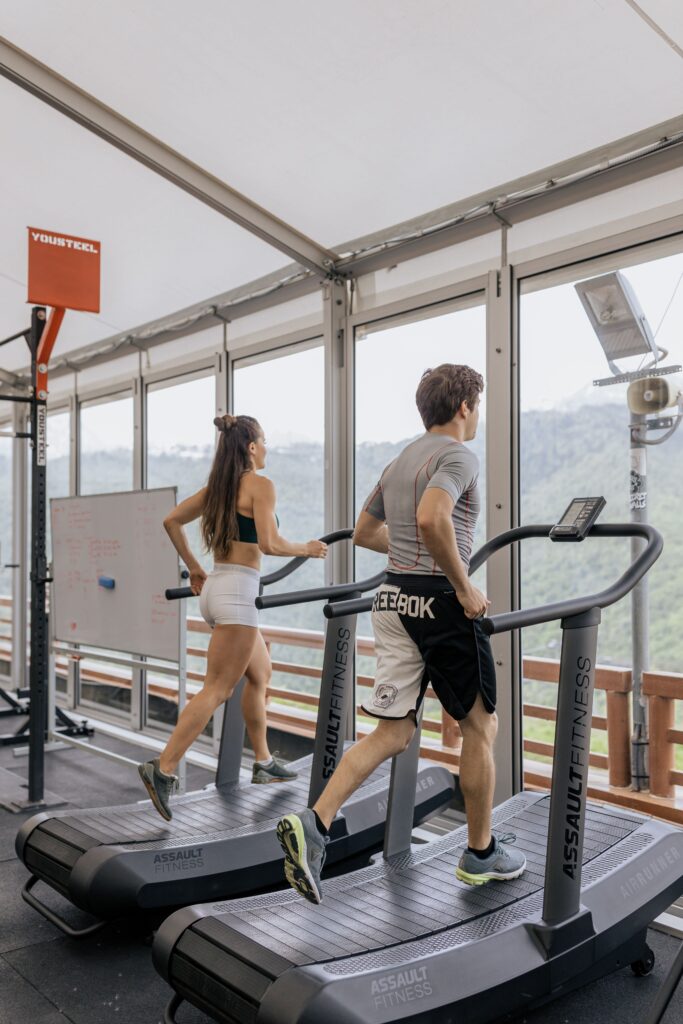
Buyer archetypes and motivations — who benefits most from manual and curved treadmills
There is no one-size-fits-all manual treadmill shopper. Here’s a breakdown of who benefits most, plus actionable steps for buyers:
- Urban 18–35s (small space/home gym): These buyers need compact equipment for apartments, often with no reliable access to dedicated gym space. They value minimalist design and are motivated to maximize floor space.
Action: Prioritize models under 65 inches in length with fold-up or easy wheel storage features. Compare noise scores if you have neighbors. - CrossFit/HIIT enthusiasts: Training specificity—the ability to instantly sprint or do high-intensity intervals—is crucial. Curved manual treadmill variants provide the closest match to the self-propulsion, high cadence, and quad engagement that these workouts demand.
Action: Seek out curved deck models with reinforced commercial-grade frames and a warranty above 3 years. - Budget or emerging market buyers: The absence of a motor cuts power bills and repair risks. flat-belt manual treadmills are more affordable but may require belt/bearing servicing sooner.
Action: Make a shortlist under $600, review belt warranty (aim for 2+ years) and check for parts/service availability in your region. - Facility managers and boutique gym owners: Durability and low maintenance dictate bulk purchases. Curved manual decks outlast flat types, and justify higher upfront costs for busy, high-utilization gyms.
Action: Request model-level usage lifespans (seek 100,000+ hours), extended warranty options, and confirm quick parts delivery.
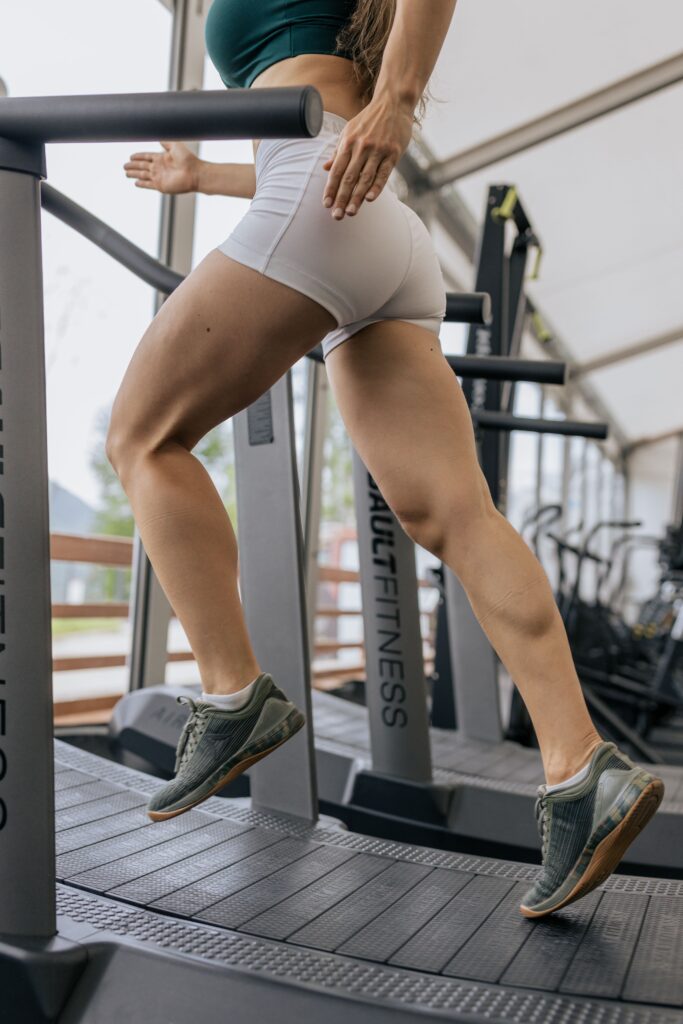
Other Motivations
- Zero-operating electricity cost for the lifetime of the machine (ideal for off-grid or unreliable power situations).
- Greater sense of control and “natural” run mechanics for runners focused on form improvement.
- Lowest environmental/carbon impact compared to any motorized treadmill.
- Minimalist, low-clutter aesthetic—pairs well with compact home gym setups (see how to build a compact gym).
As manual treadmill innovation rises, brands like Woodway and SOLE Fitness released new patented and commercial-grade models in 2024, addressing previous user pain points and increasing training specificity options. Facilities like Planet Fitness and CrossFit studios increasingly specify manual variants to improve member experience and equipment uptime.
Top user pain points and negative reviews — durability, workout experience and long-term problems
While manual non-electric treadmills excel in compact versatility, recurring pain points challenge buyers and gym managers. Leading issues include:
- Belt and bearing wear: Flat-belt models often require belt or bearing replacements after 50,000–80,000 hours of heavy use. Curved deck models often surpass 100,000 hours, but cost more up-front.
- Frame squeak/flexing: Lower-end models (especially lightweight units) may soon develop flex or squeak, affecting both safety and user confidence.
- Static electricity shocks: Friction between belt and synthetic deck materials generates shocks, unpleasant for barefoot or marathon runners. Both curved and flat types can be affected, especially in dry climates.
- Muscular fatigue and learning curve: Initial sessions require higher muscular output and focused posture. Flat deck models feel more like outdoor running, while curved treadmills encourage faster cadence and greater quad activation—both require acclimation, but curved units particularly have a steep learning curve.
- Lack of programmability/incline: Manual units don’t offer preset workouts or incline settings. Training variability must come from the user, or by using external resistance (e.g. weighted vests).
- Durability concerns in high-traffic settings: Constant heavy usage (10+ hours/week) in gyms can accelerate wear, especially on flat-belt units. Service parts and quick-replace bearing options are critical for commercial buyers.
- Assembly and moving issues: Cheap fold-up models can be unstable or awkward to move, while commercial-grade options may require two-person assembly and a permanent footprint.
| Feature / Issue | Flat-Belt Manual | Curved Manual | Motorized |
|---|---|---|---|
| Durability | ~50k–80k hours | ~100k hours | ~10k–30k hours |
| Calorie Burn (vs motorized) | Comparable at same speed | +44% [Journal of Science and Medicine in Sport, 2018] | Baseline |
| Learning curve | Low/Moderate | High | None (belt moves for you) |
| Upfront Cost | $300–$800 | $800–$3500+ | $800–$4000+ |
| Electricity Required | No | No | Yes |
| Maintenance | Annual belt/bearing check | Belt/roller after 3–4 years heavy use | Motor, electronics, belt wear |
| Noise | Low–Medium (can squeak) | Medium | Low–Medium (fan motor whir) |
For would-be buyers worried about endurance, cost, or usability, this curved treadmill guide offers a deep dive into space needs, safety, and brand track records.
- Want space-saving power tools for recovery too? Check out our recovery equipment home gym roundup.
- Comparing against motorized options? See the best incline treadmills for home for pros, cons, and hybrid picks.
- Maximize floor space? Pair a manual treadmill with a foldable squat rack or a compact squat rack for the ultimate small-space gym.
- Flat under-bed treadmills? Don’t miss the folding treadmill small space buyer’s guide.

Conclusion
The bottom line: manual non-electric treadmills deliver unmatched control, space savings, and zero energy cost, but user experience varies dramatically by design and build. Curved decks burn more calories and last longer, but demand higher up-front investment and a brief learning adjustment. Always weigh your routine intensity and space needs, read negative reviews for durability signals, and don’t skip the warranty fine print. Take action soon—the right manual non-electric treadmill will pay for itself with every unplugged, sweat-driven mile.
Ready to build your ideal home cardio space? Shop smart, compare real total cost of ownership, and get moving—zero excuses, zero electric bill. Have questions about fit, longevity, or real-world experience? Drop them below or check our guides to create a fully functional, future-proof home gym setup.
FAQ
Do manual non-electric treadmills really burn more calories?
Yes, especially curved manual treadmill models. Peer-reviewed studies show up to 44% more calories burned per session compared to motorized treadmills at the same pace. Results depend on speed, running form, and user adaptation.
How long do manual treadmills last before needing repairs?
Flat-belt manual models typically show bearing or belt wear at 50,000–80,000 hours of heavy use, while curved deck variants often last around 100,000 hours. Check warranty and parts availability before buying.
Are manual treadmills noisy?
They’re generally quiet, but frame squeaks and belt noise can occur in cheaper models. Curved models may have a steady hum from rollers, but are usually quieter than low-end motorized treadmills, especially at slow paces.
What maintenance do manual treadmills need?
Inspect belt tension monthly, clean dust and debris, and lubricate bearings if recommended by the manufacturer. Curved models need periodic roller and deck surface checks. Always keep the machine free from static buildup with an antistatic wipe.
Is the learning curve difficult for beginners?
Flat-bed manuals are intuitive for most users. Curved manual treadmills often require a session or two to master self-propulsion and correct running form, but new users typically adjust within 3–5 workouts.