

AI home fitness equipment is transforming how tech-savvy, busy adults work out at home—but with sky-high price tags and privacy concerns, how do you know if these smart devices truly deliver or just overpromise?
Key Takeaways
- The AI home fitness equipment market is booming, but tech and subscription costs add up fast. Always check the true total cost of ownership—hardware, recurring fees, and privacy tradeoffs.
- Buyer frustrations include unreliable motion tracking, weak personalization, and data security worries. Live demos and real trial periods are a must before committing.
- Research shows AI can support better form and adaptive resistance, but human trainers still have an edge in nuanced coaching and motivation—especially for advanced lifters.
- What Is AI Home Fitness Equipment & Why Does it Matter?
- How to Actually Buy & Set Up AI Home Fitness Equipment
- Advanced Analysis: Pitfalls, Product Gaps & Reality Checks
- Conclusion: Should You Buy AI Home Fitness Equipment?
- FAQs
What Is AI Home Fitness Equipment & Why Does it Matter?
AI home fitness equipment is a new generation of smart gym devices that use artificial intelligence—think 3D motion sensors, real-time coaching, and machine learning—to personalize home workouts. They go beyond Bluetooth-connected bikes: devices like an AI personal trainer home gym device (for example, Tonal, Peloton, or Tempo) coach your form with feedback, auto-adjust resistance, and deliver on-demand class content. The global market is already valued at about $2.2 billion (2023) and projected to reach $4.1 billion by 2034 (CAGR 5.8%). The even larger AI personal trainer segment is forecast to hit $20 billion by 2026 with explosive growth in North America and Asia-Pacific.

Why all the momentum? Demand is driven by the desire for hyper-convenient, time-efficient workouts—on your schedule, in your living room. Smart devices now track dozens of metrics (rep velocity, heart rate, motion angles) and use AI to adjust programs in real time. But all this intelligence comes at a cost—typically high hardware prices and monthly subscriptions. And, with cameras and microphones in your gym, privacy becomes a very real concern.
How to Actually Buy & Set Up AI Home Fitness Equipment
Not sure where to start? Use this no-nonsense roadmap to identify, test, and optimize the right AI personal trainer home gym device for you:
- Define Your Goal & Space. Are you after strength, cardio, or all-in-one functionality? Measure your available room—most AI gyms are large, wall-mounted, or require space for movement capture.
- Set a Budget & Calculate All Costs. Top-tier devices range from $1,500-$3,500 upfront, plus $30-$59/month subscriptions. Add up hardware, required accessories, ongoing content, and the warranty period. Check for free trial periods before committing.
- Research Device Capabilities. Look for specifics: 3D cameras (for motion tracking), AI auto-resistance, live classes, integration with wearables. Read real world reviews for accuracy on motion capture and customization. Sites like Garage Gym Reviews or scientific summaries from InsightAce Analytics help.
- Check Privacy Policies & Data Practices. Dig beyond the marketing—what video/audio is stored? Can footage be deleted? Is data processed locally? Look for ISO/SOC compliance and the ability to opt out of data sharing. See how Technogym updated its own privacy messaging in response to user concerns.
- Demand a Live Demo or Trial. Motion tracking and latency can be hit-or-miss depending on your home network. Always request a demo if possible, or insist on a return window with no restocking fee.
- Install & Test Connectivity. Place your device near a strong Wi-Fi signal, test Bluetooth peripherals, and check for backup modes if the internet fails. Latency should be minimal for real-time feedback.
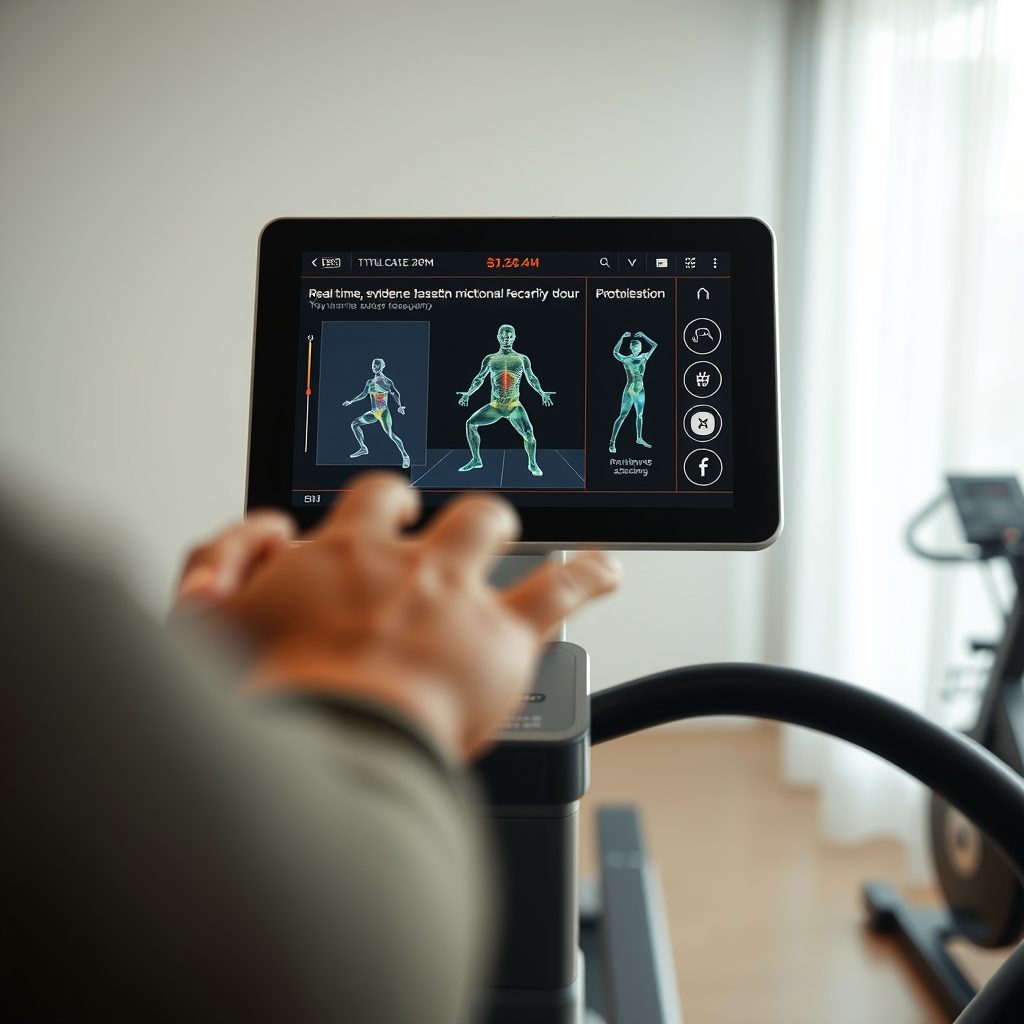
- Validate Coaching Accuracy & Personalization. Run through a few automated workouts. If the AI still gives generic feedback or misreads your form, push for troubleshooting—or consider a device with superior calibration.
Want more tips for maximizing results at home? Explore our guides to folding squat racks and adjustable dumbbells smart for ways to supplement your AI setup—and save floor space.
Advanced Analysis: Pitfalls, Product Gaps & Reality Checks
Here are the most common buyer complaints and product gaps in the current generation of AI home fitness equipment:
- Accuracy Limitations: AI motion tracking can misjudge form—especially during complex, fast, or non-standard exercises. This leads to irrelevant corrections or missed safety cues.
- Connectivity & Latency Frustrations: Feedback often lags behind real movement, especially on slow Wi-Fi or during network congestion, undermining real-time coaching.
- Limited Personalization: AI often defaults to preset programs. Customization improves when enough session data is gathered, but it rarely matches an in-person trainer’s detail.
- Subscription Fatigue: Most devices require ongoing fees for on-demand content and routine software updates. True costs can rival the price of live group classes in a year.
- Data & privacy risks: Devices typically use cameras and sometimes microphones; brands differ in how footage/data is stored, processed, and deleted. Only some adhere to recognized privacy frameworks (e.g., ISO/SOC).
| Brand | Core Features | Subscription Model (2024) | Common Gaps Uncovered |
|---|---|---|---|
| Tonal | Wall-mounted AI resistance, auto weight adjust, form cues, guided content | $59/month (required); 1 year included, then billed monthly | Warranty length vs. real hardware lifespan; actual motion calibration limits; strict subscription for content access |
| Peloton | AI class recommendations, live leaderboard, connected bike/tread, integrated metrics | $44/month (for content); device financing extra | Actual data privacy/data sharing explained poorly; device-warranty/service cost not transparent; comparison with non-AI alternatives missing |
| Tempo / Speediance | 3D motion tracking, ML form correction, on-demand routines, auto-resistance | $39/month (core content); optional upgrades | Real personalization depth not detailed; latency tests missing; privacy/data-processing options underreported |
For full context, see independent reviews or research-backed comparisons at external sources like Research and Markets or peer-reviewed science linking AI form tracking with measured results (Garage Gym Reviews).
Interested in improving strength results or recovery alongside your AI setup? Check out the science on L-Carnitine muscle recovery and Zone 2 cardio training for smart fitness upgrades.
Conclusion: Should You Buy AI Home Fitness Equipment?
AI home fitness equipment is fast-evolving, evidence-based, and offers serious convenience—especially for tech-forward buyers who value automation and tracking. But real-world limitations exist, from motion tracking hiccups to recurring costs and privacy tradeoffs. The right AI personal trainer home gym device is worth it if you prize flexible, personalized workouts and data—but only after thorough research, real trial runs, and careful reading of the fine print.
Ready to take action? Vet vendors by demanding demo access, transparency on subscriptions, and clear answers on warranty and privacy. Whether you’re a casual exerciser, a dedicated lifter, or a product manager researching the next big thing, stay critical and evidence-focused before investing in AI home fitness equipment. Want more evidence-based fitness strategies? Browse our folding squat rack guide or small space home gym solutions to round out your setup.
FAQs
How accurate is motion/form tracking on AI home fitness equipment?
It depends on the device and sensor stack. Top brands like Tempo use 3D cameras and ML, but users routinely report missed cues or slow adjustments, especially with complex moves. Always test accuracy before buying.
What ongoing costs should I expect for an AI personal trainer home gym device?
Expect $30–$60/month subscriptions for on-demand content and core features after purchase. Factor in hardware, accessories, financing, and possible service/warranty outlays.
What privacy risks are there with these devices?
Active cameras and microphones mean potential for video/audio data collection. Not all brands are clear on data storage, deletion, or sharing. Opt for vendors with local processing, deletion options, and ISO/SOC compliance when possible.
Is AI coaching as effective as an in-person trainer?
Research shows AI helps with basic form and timing auto-adjustment but lacks the nuance and motivation of experienced human trainers—particularly for advanced athletes or specialized needs.
Can I use AI home fitness equipment without a subscription?
Most premium brands require active subscriptions for core features like personalized programs and updates. Some offer limited “offline” modes, but expect a pared-down experience.