

lymphatic drainage massage is gaining traction as a science-backed way to reduce fluid-related bloating and swelling at home. But what actually works, what’s safe, and how do you do it the right way—without buying into overhyped “detox” myths? This practical guide, informed by leading clinicians, cuts through the confusion and shows you exactly how to try lymphatic drainage massage at home for modest, real-life results.
Key Takeaways
- Manual lymphatic drainage massage can provide relief from swelling and fluid-related abdominal bloating—not weight loss or detoxification.
- Safe, beginner self-MLD emphasizes gentle, skin-stretching strokes and breathwork, while avoiding deep pressure and risky areas.
- Hands work best for most people; gadgets and rollers are optional extras. Always watch for contraindications before self-practice.
- Why This Matters — What the Lymphatic System Does and Realistic Expectations
- How to Do Lymphatic Drainage Massage at Home — Step-by-Step Guide
- Advanced Analysis & Common Pitfalls
- Conclusion & Next Steps
- FAQ
Why This Matters — What the Lymphatic System Does and Realistic Expectations
The lymphatic system is your body’s fluid management and internal “cleanup crew.” It collects excess interstitial fluid (the fluid between your cells), absorbs certain fats from your gut, and is a key player in your immune defense. However, when most people consider lymphatic drainage massage, they’re hoping to reduce swelling or bloating—and sometimes they’re chasing detox or fat loss (which isn’t backed by clinical science).
Findings up to 2024 clearly show that manual lymphatic drainage (MLD) effectively reduces swelling for those with lymphedema, post-surgical edema, and some chronic venous conditions. For otherwise healthy people, MLD may offer a modest but noticeable improvement in fluid-related abdominal bloating, especially after long flights, periods of inactivity, or as part of a postural reset. The main benefit? Enhanced lymph fluid movement, not “toxin elimination” or fat loss. Randomized trials do not support weight loss or robust detoxification results beyond short-term fluid shifts. (Cleveland Clinic, UCLA Health)
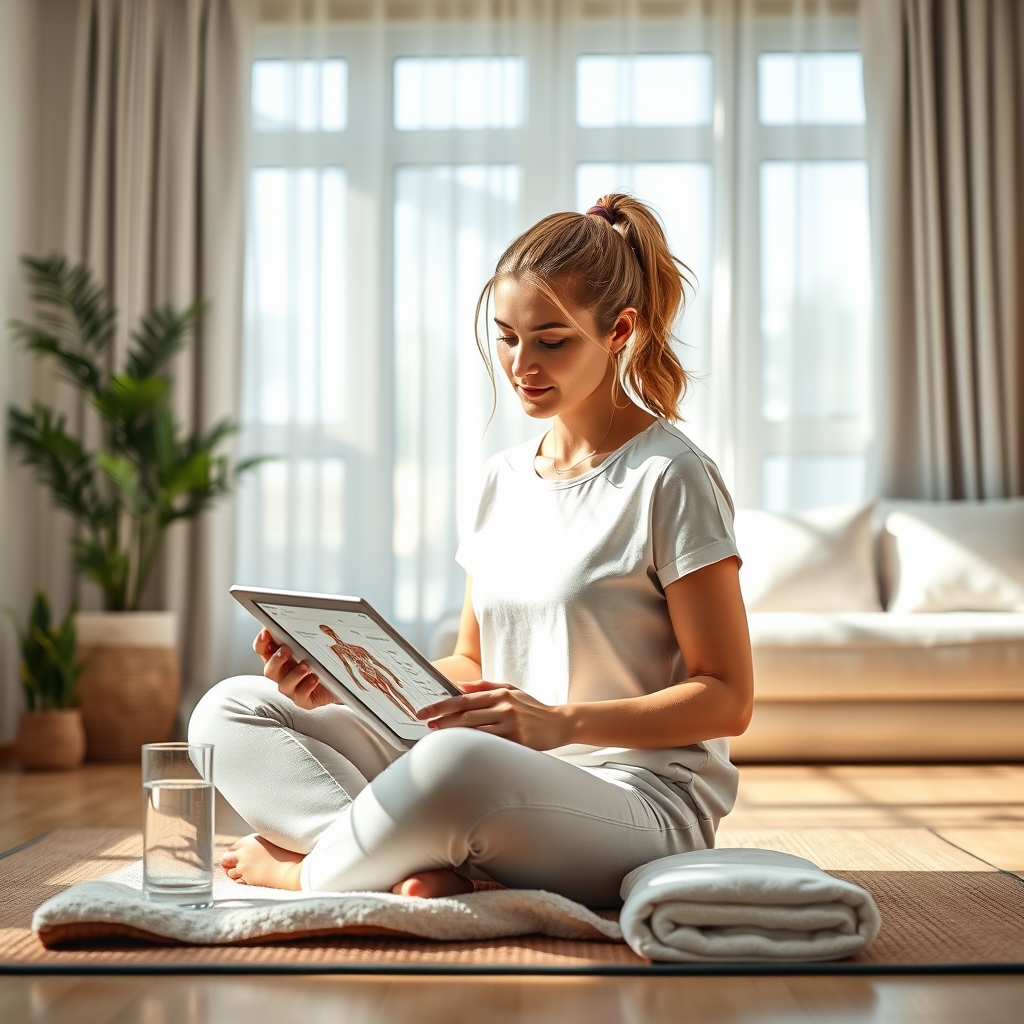
In other words, lymphatic drainage massage can help you look and feel less puffy or swollen when the root cause is fluid—not fat, stored toxins, or digestive gas. Keep your goals realistic, and you’ll get the most benefit.
How to Do Lymphatic Drainage Massage at Home — Step-by-Step Guide
Follow this simple, evidence-backed self-MLD routine. All you need is clean hands and a comfortable place to sit or lay down. Optional: a yoga mat or soft-roller, and a glass of water nearby to stay hydrated.
1. Diaphragmatic Breathing
Sit or lie down. Place one hand on your chest, the other on your belly. Inhale deeply through your nose for 4-6 seconds, expanding your belly (not your chest). Exhale slowly through pursed lips. Repeat for 5–10 breaths.
2. Supraclavicular (Collarbone) Node Clearance
These “junction” nodes act as main drains for lymph fluid. With flat, relaxed fingers, gently stretch the skin just above your collarbone in a slow, C-shaped motion toward your neck’s center. Aim for 5–8 light skin-stretching strokes on each side.
3. Neck and Occipital Nodes
Using your whole hand, stroke from behind the ear and jawline down toward the base of your neck. Repeat 5–8 times per side.
4. Armpit (Axillary) Nodes
Relax your elbow and, using the palm of your opposite hand, make light skin-stretching strokes in your armpit area toward your chest. Keep pressure gentle—just enough to move the skin. Do this 5–8 times each side.
5. Abdominal and Chest Drainage
Place both hands flat against your lower abdomen. Stretch the skin upward (toward your ribs) in a slow, scooping C stroke 5–8 times. For the chest, stroke outward from the breastbone toward the armpits.
6. Groin (Inguinal) Nodes and Legs
On your upper thigh, just below the hip crease (groin area), use upward, gentle skin-stretching strokes toward your hip. For lower legs and feet, always stroke up toward your groin.

7. Repeat Sequence 2–3 Times
Each section should take under a minute or two. Repeat the full sequence 2–3 times for a complete routine (about 15–30 minutes). For focused bloating relief, prioritize breathing, collarbone, neck, and abdomen steps—5–15 minutes works well.
- Always use clean hands or a soft-bristled dry brush/silicone lymphatic roller as an adjunct—avoid rough scrubbing, circular rubs, or “deep tissue” methods; lymph vessels are delicate.
- Stay hydrated before and after. Lymph drains best when you’re well hydrated.
- Never massage areas that are red, hot, infected, or have open wounds/cancer involvement.
Want a more visual walkthrough? Here’s an infographic showing the core self-MLD sequence for bloating relief:

Print-ready checklist:
- 5–10 slow belly breaths
- Collarbone node “C” strokes
- Neck and armpit node strokes
- Abdomen up toward ribs
- Groin/leg upward strokes
- Repeat 2–3x, always keep pressure light
- Stop immediately if you notice new pain, redness, or swelling
When to try tools, rollers, or compression devices
Once you feel confident with your hands, tools like a soft-bristled dry brush, silicone lymphatic roller, or (for advanced users) a calibrated electronic pneumatic massager like Ballancer Pro can supplement your routine. Look for features like gentle, rhythmic pulsations, adjustable intensity, and washable silicone surfaces. Jump to product picks & resource links.
Advanced Analysis & Common Pitfalls
Most first-timers make a few classic mistakes with lymphatic drainage massage. Here’s how to avoid them—plus what the best research and clinicians warn about.
| Beginner Mistake | Why It’s a Problem | Correction |
|---|---|---|
| Pressing too hard or using deep tissue motions | Lymph vessels work just under the skin—too much pressure collapses them and blocks flow | Use a feather-light touch—just enough to stretch the skin, not compress muscle |
| Skipping breathing/priming or node order | Missing the “priming” step limits the drainage effect; wrong order can clog exit pathways | Start with belly breathing & supraclavicular (collarbone) node clearance every time |
| Massaging areas with medical red flags (infection, cancer, DVT, open skin) | Can spread infection, worsen swelling, or interfere with healing | Skip affected areas; consult your doctor if in doubt See Cleveland Clinic |
| Over-massaging one spot | Can cause bruising, soreness, or make edema worse | Move gently and evenly, avoid repeated work on a single area |
| Using gadgets before learning manual technique | Risk of misusing devices, overpressurizing, or missing subtle signs of irritation | Master hand technique first before adding rollers, dry brushes, or massagers |
- Lymphatic drainage massage is not for everyone: Avoid completely if you have an active infection, recent blood clot (DVT), untreated cancer in the massage area, open wounds, or recent radiation skin damage. For chronic conditions like heart or kidney disease, consult your clinician first. (Cleveland Clinic; Tactile Medical)
- Not all bloating is fluid-related: This method will not help with gas, constipation, or fat loss. If you’re not seeing results and suspect digestive causes, consider evidence-based microbiome/gut approaches from this internal guide instead.
- Real users report reduced swelling, mild relaxation, and a “lighter” feeling after sessions. Common negatives: no change if bloating/gas is digestive, occasional mild headache/fatigue, possible nausea, redness, or bruising if technique is wrong.
For more ways to improve fluid balance and recovery, see our resources on L-Carnitine for muscle recovery or compare with infrared sauna blankets for circulation.
Conclusion & Next Steps
Manual lymphatic drainage massage is clinically proven to reduce swelling and may offer mild, temporary relief from fluid-based abdominal bloating. It is safe and effective for most healthy adults when done with light, directional strokes, breathing, and node clearance—but it is not a fat-loss or detox cure. If you have complex medical conditions, persistent swelling, or any contraindications, always consult your clinician or a certified lymphedema therapist before starting self-MLD at home.
Ready to get started? Download our printable routine, watch a medical video demo, or explore top-recommended tools in the resources below. For digestive-based bloating, you may also want to read about science-backed gut-brain and mood strategies.
FAQ
Is lymphatic drainage massage safe for everyone?
No. Avoid self-MLD if you have an active infection, untreated cancer in the massage area, open wounds, recent blood clots (DVT), or skin recently damaged by radiation. People with heart failure, kidney disease, or unexplained swelling should see a healthcare provider first.
How often should I do lymphatic drainage massage at home?
For mild, occasional bloating or swelling, short daily sessions (5–15 minutes) are enough. For persistent or post-operative swelling, a full session (45–90 minutes, 2–3x/week) is used, but should be customized with professional input. Too much can cause irritation or bruising.
Can lymphatic drainage massage help me lose weight or detox?
No. Clinical trials show the main effect is a temporary shift of excess fluid, not fat loss or toxin elimination. Detox claims are not supported by scientific evidence. The main benefit is decreased swelling.
What tools are best for lymphatic drainage massage at home?
Your clean hands are best. A soft-bristled dry brush or silicone roller may help spread pressure gently, but only as an adjunct. Advanced users can use calibrated pneumatic devices like Ballancer Pro—but always master manual technique first and avoid overuse.
What should I do if I feel pain, fever, or see redness after massage?
Stop immediately and contact your healthcare provider. Pain, fever, redness, or swelling may signal infection or another underlying issue and should not be ignored.