

Metabolic health diet strategies can dramatically lower your risks for heart disease, diabetes, and obesity, even if you have a busy life, a family to feed, and a tight budget. If you’re tired of fad diets and want practical actions that deliver measurable results, this guide breaks it down step by step, with a clear path to long-term success.
Key Takeaways
- Evidence-backed eating patterns like Mediterranean, DASH, or plant-forward diets reduce major metabolic and cardiovascular risks—with practical swaps and no need for expensive specialty foods.
- Start with 2-3 easy, sustainable diet and habit changes (like adding one vegetable per meal and swapping sugary drinks for water) for high adherence and real measurable progress.
- Personalize your metabolic health diet using brief food logs, tracking key metrics (weight, waist, fasting glucose, lipids), and adjusting macronutrients as needed—without expensive genetic/Microbiome tests.
- Why a metabolic health diet matters — the bottom-line evidence
- Step-by-Step Guide: Metabolic Health Diet in Real Life
- Advanced Analysis & Common Pitfalls: Why Intentions Fail
- Conclusion: Moving Forward
- FAQs: Metabolic Health Diet
Why a metabolic health diet matters — the bottom-line evidence
Eating patterns matter far more than single foods or magic-bullet ingredients. Peer-reviewed research from large clinical trials shows that a metabolic health diet, such as the Mediterranean diet, can reduce your risk of cardiovascular disease by 38%, while the DASH pattern is linked to a 20% lower risk. Vegetarian-style eating cuts coronary heart disease by roughly 28% (source). These dietary patterns consistently lower triglycerides, total cholesterol, and VLDL (bad fats), supporting not only weight loss but also reducing the risk of diabetes and heart disease.
In fact, recent global studies confirm that metabolic syndrome—especially when paired with overweight or obesity—drives up your long-term risk for heart complications and diabetes, but can be improved with strategic dietary changes. Data also show that time-restricted eating and personalized approaches can yield even faster drops in risk factors like see studies.

If you want to know how to improve metabolic health naturally, focusing on a practical, evidence-based eating pattern is the single highest-impact step you can take—no extreme diets or expensive supplements needed.
Step-by-Step Guide: Metabolic Health Diet in Real Life
Here’s how to improve metabolic health naturally—without feeling deprived or overwhelmed.
- Pick one sustainable diet pattern that works for you. Mediterranean, DASH, or plant-forward diets are compatible with most family meals and budgets. Start with what’s familiar—swap white bread for whole grain, or add an extra vegetable to dinner.
- Reduce the big offenders: Cut back on added sugars, sodas, refined carbs, and highly processed fats. You don’t have to eliminate entire food groups overnight. Try swapping soda for water or sparkling water, and snack on nuts instead of cookies.
- Prioritize proven foods: Fill half your plate with non-starchy vegetables, and include lentils, beans, nuts, whole grains (like oats or brown rice), olive oil, and some fatty fish each week.
- Use simple meal patterns: Implement a time-restricted eating window (such as eating within a 10-12 hour span each day), schedule a weekly meal prep (even for just two meals), and aim to add a vegetable at every meal.
- Personalization path: Log meals for a week. Notice patterns that spike energy crashes or cravings. Adjust macronutrient balance if needed—try reducing carbs at dinner or increasing healthy fat for satiety.
- Track simple metrics: Weekly: weight, waist circumference. Monthly: fasting glucose (using home testing or lab), basic cholesterol panel. Optional: energy and sleep scores (rated 1–10 daily).
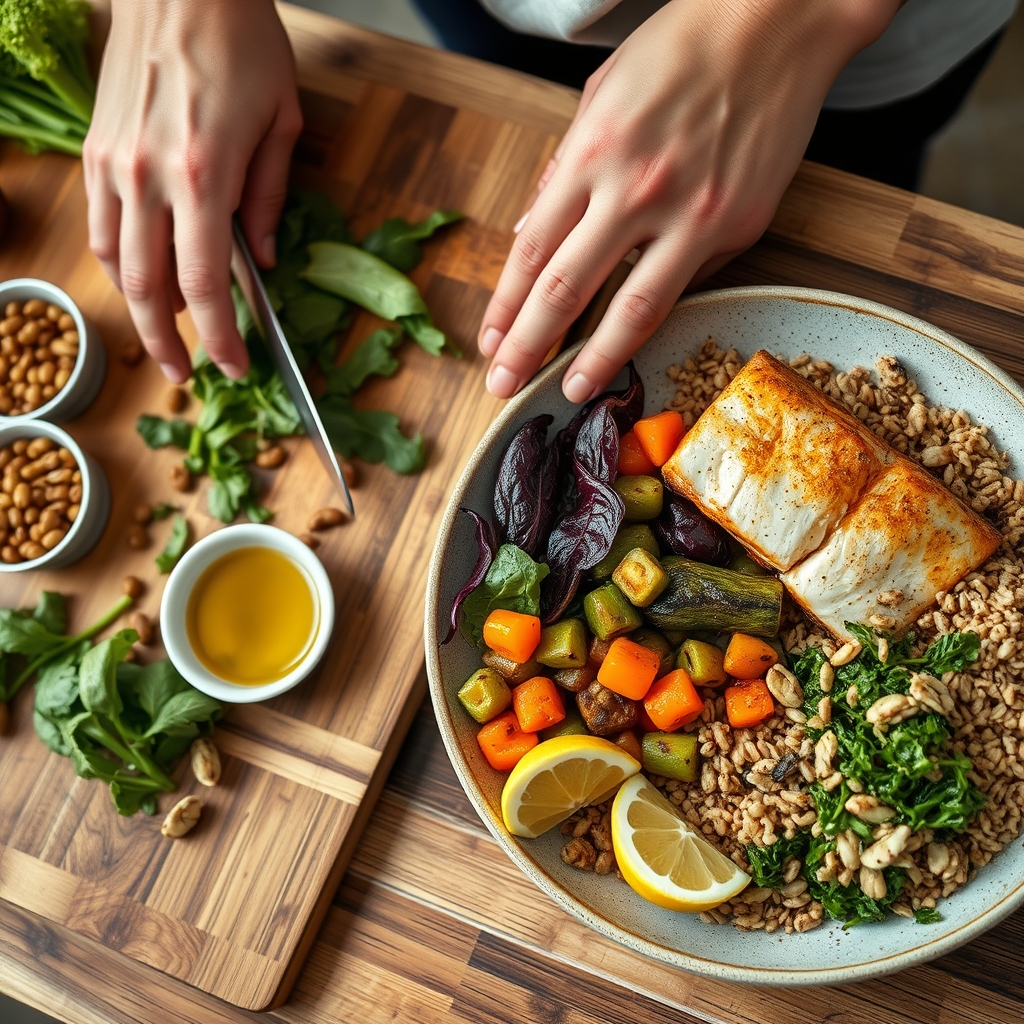
- Use a simple meal-prep block: 1 hour each week for chopping, batch-cooking, or prepping key ingredients for grab-and-go meals.
- Set a reminder to add vegetables to every meal (even breakfast—try spinach in eggs or berries in oatmeal).
- Swap out expensive health foods with affordable options: replace pricey nuts with sunflower or pumpkin seeds, use frozen berries instead of fresh, buy in bulk, and prioritize seasonal produce.
- Leverage family-friendly recipes to minimize “short order cook” syndrome. Find inspiration in guides like evidence-based gut health diets (which overlap with metabolic health).
- Consider using motivational tools and trackers, such as a basic food log or habit tracker app. Mark down each day you hit your vegetable, water, or movement targets.
- Review your progress at weeks 4, 8, and 12—this is when you’re most likely to notice changes in weight, waist, and glucose (NIDDK).
Need an energy boost during your journey? Learn why L-Carnitine supplements can support fat metabolism and post-exercise energy as part of a healthy routine.
Advanced Analysis & Common Pitfalls: Why Intentions Fail
Many people start a metabolic health diet with excitement, but run into predictable obstacles that threaten progress:
| Barrier | Why It Happens | Real-World Solutions |
|---|---|---|
| Limited Time for Meal Prep | Busy schedules make it tough to cook from scratch or plan ahead; family responsibilities stack up | One-hour weekly meal-prep block; use frozen/canned; batch-cook basics; plan 3-4 “set it and forget it” meals |
| Perceived Deprivation | Strict diets cut out favorite foods; leads to cravings, emotional eating, and guilt after “slip-ups” | Allow occasional treats in small portions; focus on balancing rather than banning foods (source) |
| Overwhelm from All-or-Nothing Changes | Trying to overhaul multiple habits at once feels impossible—leads to burnout or quitting | Limit to 2-3 changes at a time; simple tracking with apps or charts; remember: small changes compound over time (see study) |
| Cost & Accessibility | Misconception that healthy diets require expensive, specialty items; processed or fast food feels more affordable and convenient | Prioritize affordable staples: beans, bulk whole grains, frozen produce, batch-cooking, skip unnecessary supplements (guide) |
- Diet burnout is real. Structure, not restriction, is key—try “plant at every meal” or time-restricted eating for results without feeling deprived.
- Genetic and microbiome influences matter, but you can still make impactful changes without pricey commercial testing. Personalized adjustments (like adjusting your carb, protein, or fat intake based on your own blood sugar or satiety responses) can result in up to 12.3% more weight loss and much larger insulin-sensitivity gains compared to generic plans (find out more).
- Emotional fitness and stress management affect adherence. Practice routine stress resilience—see emotional fitness micro-practices to reinforce willpower and prevent self-sabotage.

For integrated results, complement your dietary changes with movement and sleep routines. Walking daily, strength training 2–3 times a week, and optimizing sleep (even with aids like sleep earbuds or mouth tape for sleep) improve insulin sensitivity and appetite regulation.
Conclusion: Moving Forward
Adopting a metabolic health diet isn’t about perfection. It’s about making the smallest, most effective changes first—then building momentum. Sustainable, affordable, and tailored steps allow you to measure progress, avoid burnout, and protect your heart, weight, and long-term vitality. Start today, track your data, and adapt as you go. If you’ve struggled before, remember, it’s the simple approaches and steady tracking that deliver lasting change. Begin your metabolic health diet with confidence—a healthier you is completely within reach.
Ready for a 12-week starter roadmap with shopping and meal templates? Leave a comment below or download our free printable checklist.
FAQs: Metabolic Health Diet
How quickly will I see changes in my weight and labs?
Most people notice changes in weight and waist within 4-6 weeks. Fasting glucose, cholesterol, and HbA1c usually shift within 8-12 weeks if changes are sustained. However, results vary based on adherence and individual metabolism.
Is a metabolic health diet expensive?
No. While some whole foods can cost more, you can build a very healthy metabolic diet from affordable staples like beans, lentils, frozen vegetables, oats, brown rice, and canned fish. Batch-cooking and shopping for seasonal produce maximize savings.
Will I feel deprived on this diet?
Unlikely, if you follow a realistic plan that keeps 1-2 “comfort” foods in moderation. The focus is on what you add (like more plants) rather than what you cut out—plus, improved energy and sleep help reduce deprivation cravings over time.
What should I do if I’m already on medication for blood sugar or blood pressure?
Always consult your doctor before making major dietary or activity changes, as improvements may require medication adjustments. If you have rapid drops in blood sugar, new dizziness, or concerning symptoms, seek help promptly.
How can I make this diet work for my family?
Choose recipes based on everyday, accessible ingredients. Try family-style meals, get the kids involved in meal prep, and use plant-forward tacos, stews, and sheet-pan dinners to keep it simple and flexible for everyone.