

Focus Keyword: mouth tape for sleep
If you or a partner snore, wake up unrested, and want practical, evidence-driven alternatives to CPAP, mouth tape for sleep is a trending option that promises a quieter night and better breathing. But what do clinical studies actually say, who is it really safe for, and what should you look for in a product? This guide gives you science-backed answers, real user experiences, and clear safety protocols—no hype, just actionable facts for anyone considering sleep mouth tape.
Key Takeaways
- Mouth tape for sleep can reduce snoring and slightly improve sleep quality in some people, especially primary snorers and those with mild obstructive sleep apnea, but it is not safe for everyone.
- Most side effects are mild skin irritation or discomfort, but users with frequent nasal congestion or moderate-to-severe OSA risk serious breathing issues if used without medical guidance.
- Choosing safe, hypoallergenic mouth tape products and knowing when to stop are crucial; partner monitoring and daytime trial runs enhance safety.
- What is mouth tape for sleep and how is it supposed to work?
- How to use mouth tape safely — step-by-step + red flags
- Advanced analysis & common pitfalls
- Conclusion
- FAQ
What is mouth tape for sleep and how is it supposed to work?
Mouth tape for sleep is a medical adhesive strip or patch applied over the lips before bed to gently hold the mouth closed. Its main goal: to encourage nasal breathing and prevent the mouth from falling open overnight, a factor often linked to snoring and sleep disruption.
The theory is simple. Nasal breathing may support better airflow and help prevent the tongue and soft tissue at the back of the throat from collapsing. This effect reduces snoring and, for some, the severity of mild sleep apnea. However, closing the mouth can worsen airflow in people who rely on mouth breathing due to nasal obstruction or those with more significant airway collapse.
For example, a 2024 study in JAMA Otolaryngology found that mouth taping improved airflow and reduced snoring in about half the tested adults. But other studies note the risk of worse airflow for users with severe airway blockages or chronic nasal congestion, highlighting that the right candidate is key. (JAMA Otolaryngology Study)

Ultimately, mouth tape is not a cure-all but one tool with promising effects in the right user group, and risk in the wrong one. If you’ve tried nasal strips or dental guards without success, it’s worth understanding the science (and the caveats) before you try mouth taping.
How to use mouth tape safely — step-by-step + red flags
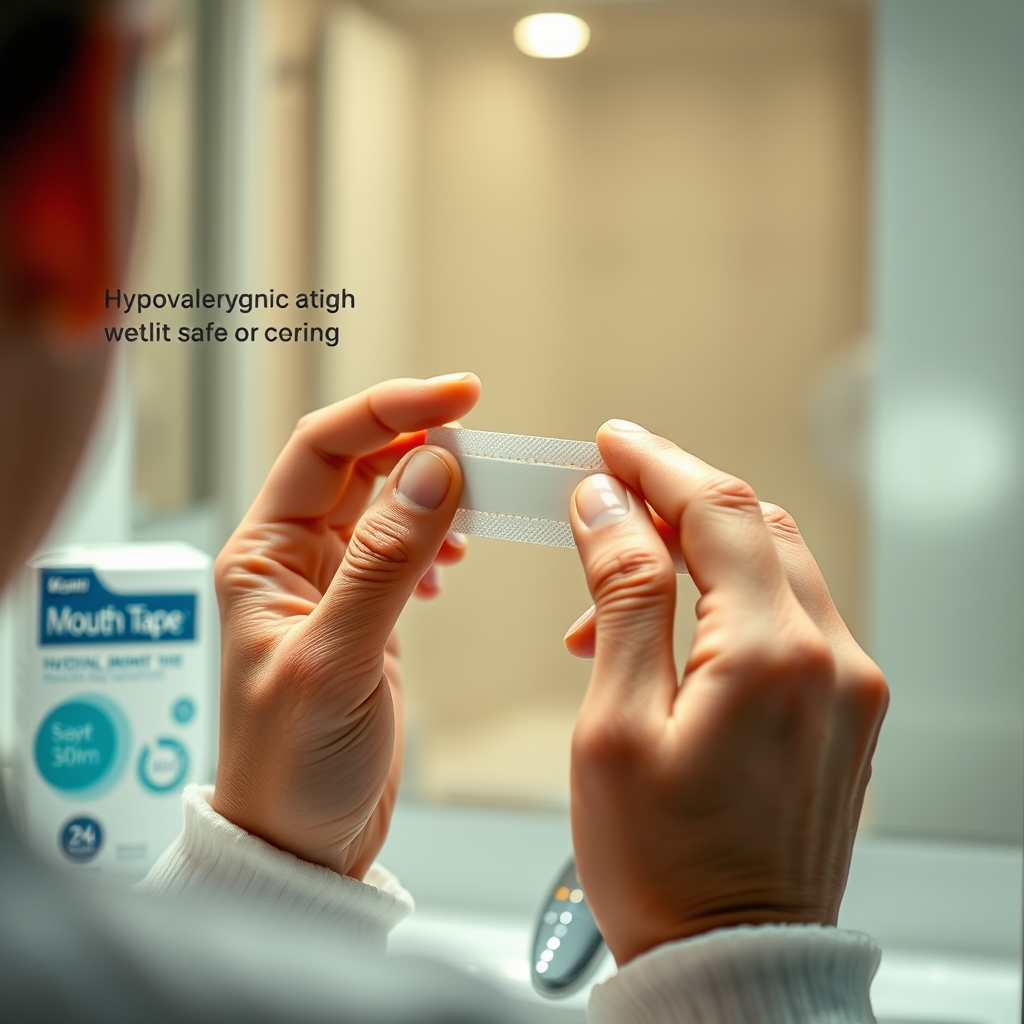
Using mouth tape for sleep is more than just slapping on a strip. Here’s a clear, clinician-informed protocol to maximize benefits and minimize risks, especially for people who sometimes wake with nasal congestion:
- Daytime Test: Before sleeping with mouth tape, do a 20-minute trial during the day while awake. Apply the tape as you would at night. Monitor how you feel; remove immediately if you sense discomfort or trouble breathing.
- Prepare Your Skin: Wash and dry your lips and surrounding skin. Remove facial oils or lip balm for secure but gentle adhesion.
- Choose the Right Tape: Use a medical-grade, hypoallergenic, and breathable (porous or silicone-based) adhesive designed for overnight use. Never use duct tape or other non-medical adhesives. Opt for products with perforations or slits for airflow if your nose becomes blocked.
- Apply Patch: Stick a small, vertical strip or patch across the center of your lips (unless product instructions indicate otherwise). Don’t seal lips edge-to-edge, which can increase the risk of suffocation if nasal breathing suddenly fails.
- Partner Monitoring (if possible): If you can, have a partner observe the first night. They can wake you or remove the tape if you display signs of breathing distress.
- Remove on Congestion: If you wake up congested or short of breath, immediately remove the tape.
- Check for Skin Irritation Each Morning: Look for redness, swelling, or abrasion. Switch products or stop if persistent irritation develops.
When to stop and see a doctor:
- Sudden breathing difficulty, choking, or a sensation of suffocation during sleep
- Severe or worsening nasal congestion that doesn’t clear on waking
- New or worsening snoring, witnessed stoppages of breathing (apneas), or excessive daytime sleepiness
- Severe skin reactions, swelling, or blisters on or around the lips
- Known or suspected moderate-to-severe sleep apnea (unless cleared by a specialist)
Advanced analysis & common pitfalls
Evidence recap: does mouth tape for sleep really work?
The clinical evidence paints a nuanced picture. In the last five years, studies with 20 to over 50 participants have found that mouth tape for sleep can reduce objective snoring frequency and bring modest improvements in breathing (as measured by the apnea hypopnea index or AHI), mostly in people with mild OSA or primary snoring.
For example, a 2022 study of 20 OSA patients showed that 65 percent experienced drops in snoring intensity and improved oxygen saturation. Another 2022 pilot of 21 patients using an adhesive patch with a mandibular advancement device (MAD) saw bigger AHI reductions than the MAD alone (US News Clinical Trial Details). Meanwhile, a larger 2024 JAMA Otolaryngology trial showed airflow improved and snoring frequency dropped in about half of adults tested. Systematic reviews conclude that snoring reductions are consistent but the quality of current evidence is overall low and there’s high variability in individual response (PLOS One Systematic Review).
Realistic benefits (and for whom)
- Reductions in snoring index (frequency/intensity) in 50 to 65 percent of tested users (mostly mild OSA or simple snorers)
- Modest improvements in oxygen saturation and sleep quality for some, particularly when paired with nasal dilators or dental devices
- Best outcomes seen in people without regular nasal blockage or severe airway collapse; lowest benefit (and most risk) in moderate-to-severe OSA or those with frequent congestion
Common pitfalls & user complaints
- Skin irritation or abrasion: Especially if using strong adhesives or leaving on for too long. Gentle, hypoallergenic tapes lower this risk (SleepApnea.org).
- Sensation of suffocation or disrupted sleep: Most often triggered if the nose clogs during the night—this is the most common reason people abandon mouth tape.
- Discomfort and dryness: Especially in users who drool or sweat at night; tape may lose adhesion or cause chapping.
- False security: Mouth tape does not treat moderate or severe sleep apnea and should not be used as a substitute for CPAP or other clinician-recommended therapies in these cases.
Comparison Table: Mouth Tape vs. Other Snoring Therapies
| Therapy | Effectiveness vs Snoring* | AHI Improvement in Mild OSA | Side Effect Profile | Cost | Best for… |
|---|---|---|---|---|---|
| Mouth tape for sleep | Moderate for mild snorers (50-65% improved) | Modest, inconsistent | Skin irritation, breathing difficulty if congested | Low | Mild OSA, primary snorers, clear nasal airway |
| Nasal strips | Moderate for congestion-driven snoring | None | Mild skin rash, rarely discomfort | Low | Allergy snorers, nasal congestion |
| Mandibular advancement device (MAD) | Strong in mild-moderate OSA | Substantial | Jaw/tooth discomfort, drooling | Moderate to high | Mild-moderate OSA; mixed mouth/nasal breather |
| CPAP therapy | Very high in all OSA severity | Very high | Discomfort, mask fit issues | High | Moderate-severe OSA |
*Source: 2024 Systematic Review, JAMA Otolaryngology 2024
Feature Checklist: What makes a good sleep mouth tape?
- Hypoallergenic adhesive, medical grade only (avoid generic tapes)
- Breathable (porous) or silicone-based for skin health
- Slits or perforations to allow for emergency airflow
- Enough tack to stay on for 6–8 hours, but not so strong as to damage skin
- Easy, gentle removal even after sweating or drooling
- Shape and size designed for overnight wear—check for user reviews on comfort and removal
Who should—and should NOT—use mouth tape for sleep?
- Good candidates: Adults with primary snoring or mild OSA, especially those who mouth-breathe with a clear nasal airway
- Do NOT use: Anyone with moderate-to-severe OSA, frequent nighttime nasal congestion, strong allergic reactions to adhesives, significant respiratory disease, or claustrophobia—unless cleared by a physician or dentist
Combination therapy tips
- Adding mouth tape to a mandibular advancement device (MAD) shows greater AHI reduction than MAD alone in pilot studies
- If you already use a nasal dilator or strip, ensure the nasal passage is as open as possible before taping
- For unresolved symptoms or suspected OSA, consult a sleep physician before combining therapies

Practical advice for common scenarios:
- If you sweat heavily at night or have sensitive skin, test a silicone-based, perforated mouth tape and check for hypoallergenic certification. Always apply to dry skin and remove at the first sign of rash.
- If you have intermittent nasal congestion, use a permeable or slitted tape, start with partial application (not fully sealing both lips), and never use tape if you’re sick or allergies are flaring up.
For more detailed comparisons and safety tips, see our guides on nasal strips vs mouth tape, our mandibular advancement device guide, and strategies for choosing the right anti-snore strategy. For beginners, check our post on best mouth tape for sensitive skin and review the full mouth tape product buyer’s list to see tested options.
Conclusion
Mouth tape for sleep is an evidence-informed option for adults with simple snoring or mild OSA who are seeking a low-cost, non-CPAP solution. While many users and studies report reductions in snoring and subjectively better sleep, effect sizes vary and success depends on thoughtful selection, safe use, and monitoring for risks. Key steps are starting with a safe, hypoallergenic product, always testing while awake, and stopping at the earliest sign of trouble. If you suspect sleep apnea, experience regular congestion, or have a history of respiratory disease or allergic reactions, consult your doctor before using mouth tape for sleep. For others, a cautious trial with partner monitoring may offer meaningful benefit.
FAQ
How can I safely trial mouth tape at home if I have occasional nasal congestion?
Always test mouth tape for sleep during the day first to check your comfort and ability to breathe easily through your nose. On nights with even mild congestion, skip mouth taping entirely. Use permeable or slitted tape, avoid full lip sealing, and have a partner observe initially. Remove the tape immediately at the first sign of breathing difficulty or suffocation.
What features are best for sensitive skin or people who sweat at night?
Choose silicone-based or porous, hypoallergenic medical adhesive tapes specifically designed for overnight use. Look for gentle, non-stripping removal and slitted/perforated shapes that allow airflow. For sensitive skin, avoid additives like fragrances, and always patch test before overnight use.
Can I combine mouth tape with nasal strips or a dental device?
Yes—some studies show that combining mouth tape with a mandibular advancement device enhances effectiveness. Always clear combination use with a doctor if you have moderate or worse OSA. If using with nasal strips, ensure nasal airways are fully open before taping, and monitor for discomfort closely.
What side effects or risks should I watch for?
The most common problems include skin irritation, soreness, a feeling of suffocation (especially if congestion occurs), and sleep disruption. If you experience any of these symptoms, stop immediately and do not resume without medical advice. Never use non-medical adhesives.
What are good sources and ongoing studies to track for updates?
Review the 2024 systematic review in PLOS One, US News summary, and NCT06587256 clinical trial page. For authoritative safety advice, the Sleep Foundation and Cleveland Clinic provide updated info.