

Sauna blanket benefits are now a common topic for time-strapped athletes and wellness seekers considering if an Infrared sauna blanket at home actually delivers on its promises. This guide cuts through noise and marketing to give you actionable answers with real 2024 research and practical buying insights.
Key Takeaways
- Infrared sauna blankets can offer measurable post-exercise recovery and relaxation benefits for users at home, often matching traditional sauna outcomes for soreness and muscle recovery markers.
- Claims of detox and weight loss are mostly overhyped—the main calorie burn is modest and weight changes reflect short-term water loss, not fat reduction.
- Calculate total cost and safety: blankets are affordable ($200-$400), portable, but usually need replacing every 2-3 years; safe use requires careful hydration and health screening.
- Quick verdict — is an infrared sauna blanket at home worth it?
- What an infrared sauna blanket is and how it differs from a traditional sauna
- Recovery: what 2023–2024 studies actually show
- Weight loss: realistic expectations and mechanisms
- “Detox” claims — what sweat analysis and science say
- Sauna blanket vs sauna — side‑by‑side on outcomes, comfort, and longevity
- Common user complaints, side effects, and safety considerations
- Costs broken down — purchase, maintenance, replacement, and energy use
- Evidence‑based protocols — how to use a sauna blanket safely and effectively for recovery, detox, and weight‑management
- What measurable outcomes users and small studies report
- Features and specs that will define the best sauna blankets by 2026
- Top 3 unanswered buyer concerns competitors fail to fully address
- Practical buyer checklist & final recommendation
- FAQ
Quick verdict — is an infrared sauna blanket at home worth it?
If your top goal is affordable, at-home muscle recovery, an infrared sauna blanket can be a practical buy. Research from a 2024 crossover trial of 16 athletes found that sessions in an infrared blanket were at least as effective as both traditional sauna and warm water immersion for reducing markers of muscle damage. These blankets don’t melt fat or detoxify the body in any medical sense but can provide short-term relaxation, moderate sweat, and convenience. For under $400, you get comparable recovery to pricier saunas, with less space required. Just be realistic—weight changes are all water loss, caloric burn is minor, and the main advantages come down to ease, accessibility, and time savings. Your decision should balance personal goals, budget, warranty options, and health status.
What an infrared sauna blanket is and how it differs from a traditional sauna
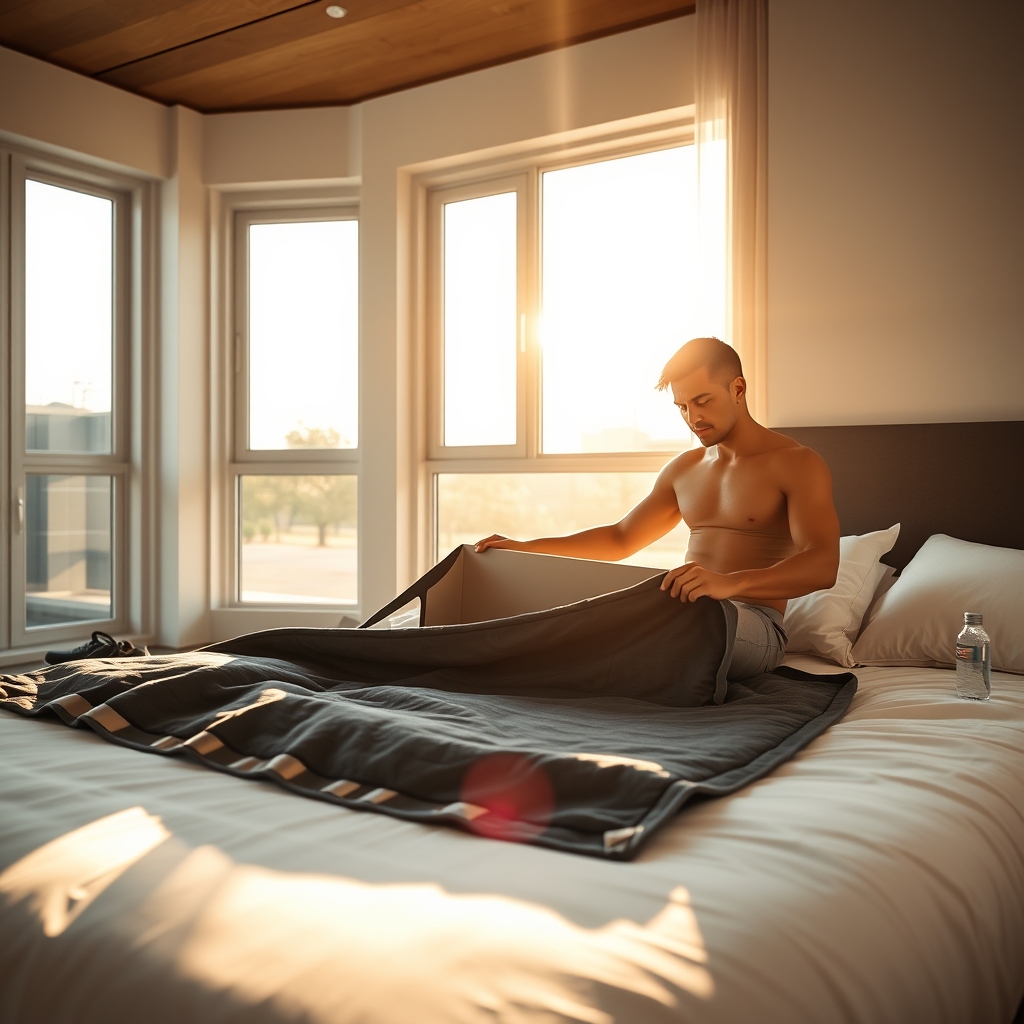
An infrared sauna blanket at home is a flexible, portable device resembling a sleeping bag, with heating elements that generate far-infrared light. Unlike a traditional sauna, which heats the air to high temperatures (150–190°F/65–90°C) and envelops the body in hot ambient air, a sauna blanket delivers focused infrared energy directly through the enclosed wrap, generally operating at lower temps (110–158°F/43–70°C). This direct transmission allows users to sweat and raise heart rate, potentially with less overall discomfort for those sensitive to high temperatures.
Blankets differ from full sauna cabins in design, heat delivery, and experience. You zip yourself into a blanket, which creates a total-body seal. This means portability and easy setup (fold and store under the bed), but also less ability to cool off quickly or stretch out. According to mechanistic work by Wiriawan in 2024, some specific far-infrared wavelengths may play a role in cellular repair, suggesting that FIR exposure is more than just heat therapy—though more research is needed to optimize wavelength targeting.

If you’re interested in a direct product comparison, check our full guide on sauna blanket vs infrared sauna.
Recovery: what 2023–2024 studies actually show
The strongest evidence for sauna blanket benefits is seen in muscle recovery. A 2024 crossover trial (source) tracked 16 athletes through sessions with an infrared blanket, a traditional sauna, and warm water immersion. Results: the blanket matched or slightly outperformed both for reducing blood markers of muscle damage. Athletes also reported faster perceived soreness relief and generally improved sleep, especially when sessions were done post-workout. This lines up with broader recovery protocol tips for optimizing athletic rest cycles.
Note though, recovery benefits depend on session frequency (2-4x weekly) and users should monitor for signs of overuse. The blanket’s deep-penetrating FIR wavelengths are suggested to support cellular repair, though most effects are still attributed to elevated blood flow and sweating.
Weight loss: realistic expectations and mechanisms
Expectations around sauna blanket weight loss often miss the mark. The mild scale drop after a session is almost entirely water—not fat. Calorie burn for a 30–45 minute blanket session is modest, usually in the range of 100–250 kcal, about the same as a brisk walk (learn more). There’s no evidence to suggest repeated blanket use leads to sustained body fat reduction, even if you sweat a lot. To truly change body composition, you need consistent diet and exercise—not just heat sessions.
Blanket use can temporarily dehydrate you, making you lighter for a few hours. It’s important to drink 16–32 oz water after each session.
“Detox” claims — what sweat analysis and science say
“Detox” is a common marketing phrase, but so far, sweat analysis does not support claims of deep toxin removal. Research shows that while sweat from infrared exposure may contain a slightly higher proportion of trace metals than surface sweat from traditional saunas (reference), the actual quantity is tiny and not enough to create measurable health benefits. Most toxins in the human body are processed by the liver and kidneys, not sweat glands. Claims of dramatic “purging” should be treated skeptically. For accurate detoxification, look to medical or nutritional approaches, not home sauna devices.
Sauna blanket vs sauna — side‑by‑side on outcomes, comfort, and longevity
This section gives you a real-world look at where each method stands for outcome, comfort, and costs. See the table below for a clear snapshot.
| Feature | Infrared Sauna Blanket | Traditional/Infrared Sauna Cabin |
|---|---|---|
| Initial Cost | $150-$800 (most $200-$400) | $1,900–$6,000+ |
| Typical Lifespan | 1-3 years | 10+ years |
| Expected Maintenance | Hard to deep clean, may develop odors or wear, must be replaced | Easy to clean, rarely replaced |
| Session Heat | 110–158°F (lower, direct FIR penetration) | 150–190°F (higher, ambient air heat) |
| Portability | High—fold and store anywhere | Stationary installation |
| Electricity Use | $5–$10/month | $10–$20/month |
| User Capacity | 1 person | 1–4 people |
| Recovery Effectiveness | Matches sauna; excellent post-exercise results | Excellent post-exercise results; higher max temp for heat lovers |
Blankets are best for small space, solo use, travel, or trying heat therapy before investing. Cabin saunas win for multi-user settings, very frequent use, or a consistent long-term solution. Get a deeper breakdown at our infrared sauna benefits guide.
Common user complaints, side effects, and safety considerations
The most common complaints about infrared sauna blankets from real users include:
- Rapid dehydration and overheating, especially for beginners or those with lower heat tolerance.
- Cardiovascular strain—blankets can quickly increase heart rate, which is risky for anyone with heart disease, uncontrolled hypertension, during pregnancy, or in children.
- Durability problems after 1–3 years—cracks, delamination, heating element failure.
- Unpleasant, lingering odors—especially if sweat builds up inside non-breathable materials.
- Cleaning difficulty—non-removable liners and seams collect sweat, requiring careful wipe down the interior after every use.
- Fit issues—taller or broader users may feel cramped.
Practical safety guidance: always start at reduced power (≈50%), never fall asleep during use, and do not use a sauna blanket if you have heart disease, uncontrolled hypertension, are pregnant, or under 16. Anyone with chronic or serious illness should get medical clearance before using heat therapy. For more, see this external advisory from Sun Home Saunas.
Costs broken down — purchase, maintenance, replacement, and energy use (2024 snapshot)
Infrared sauna blankets cost $150–$800 (most models $200–$400). Plan on replacing the whole unit or heating elements every 2–3 years. Monthly electricity bills typically increase $5–$10 based on usage—each 30-minute blanket session uses less power than a full sauna, but adds up if used daily.
Home infrared sauna cabins run $1,900–$6,000+ with a much longer life (often 10 years or more). They use $10–$20/month in electricity, hold resale/depreciation value, and rarely require full replacement except for minor repairs. Over 10 years, replacing a $400 blanket every 2 years means you spend about $2,000—the same ballpark as a budget sauna, but with more waste and less durability. Read our complete buying guide for updated price trends.

Evidence-based protocols — how to use a sauna blanket safely and effectively for recovery, detox, and weight-management
For best results and safety, follow a structured protocol:
- Check with your doctor first if you have any cardiovascular, metabolic, or chronic illness.
- Always start at 50% power for the first week. Gradually increase if well tolerated.
- Session length: use in 30-minute increments. Most users do 2–4 sessions per week, not every day.
- Hydrate—drink 16–32 oz water before, during, and after.
- Use a washable liner; always wipe down the interior after sweat sessions.
- Monitor for dizziness, rapid heartbeat, or nausea; stop immediately if these occur.
- Keep a towel or absorbent pad under your head and inside the blanket to absorb sweat.
- Avoid use if pregnant, under 16, or if you have uncontrolled hypertension or significant cardiac or kidney disease.
If your primary reason is muscle recovery, aim for post-exercise sauna blanket use within two hours of working out to optimize reduced soreness and recovery speed. For temporary sweating and relaxation, stick with moderate heat settings and always rehydrate thoroughly.
What measurable outcomes users and small studies report (sweat volume, calorie burn, recovery time)
From published 2024 research and verified user reports:
- Modest calorie burn—usually 100–250 kcal per 30-45 minute session, similar to light exercise like brisk walking.
- Sweat volumes and subjective relaxation scores match sauna cabins for most users, though lower max temperature creates a gentler experience.
- 2024 athlete trial: similar reduction in muscle damage markers as with sauna or warm water immersion. Many users report sleep benefit and reduced next-day soreness.
- Infrared-produced sweat can have slightly higher trace metals, but health impact of this is not proven.
For user experiences and performance results, see our article on infrared sauna blanket outcomes.
Features and specs that will define the best sauna blankets by 2026
To avoid current pain points and maximize outcomes, look for:
- Durable multilayer materials and extended-life heating elements—current blankets often fail after 1–3 years.
- Precise FIR wavelength control—mechanistic data (Wiriawan, 2024) suggest specific FIR ranges matter for muscle and cellular effects.
- Low-EMF designs—important for sensitive users.
- Reliable, smart temperature sensors with automatic temperature auto-shutoff.
- Washable, breathable interior liners for better hygiene.
- Robust warranty and local service options—avoid brands without at least a 1-year warranty.
The best sauna blanket 2026 models will address longevity and health monitoring features most competitors miss today.
Top 3 unanswered buyer concerns competitors fail to fully address
- Lack of long-term body composition evidence: There is “essentially zero peer-reviewed research specifically studying infrared sauna blankets” (GQ, 2024). Most “weight loss” is transient water loss. Real fat loss evidence over months or years is lacking.
- Clear medical advice for chronic health conditions: Most articles skip explicit warnings for high-risk users (heart disease, pregnancy, hypertension) or medications that may interact with heat therapy. Always get medical clearance if you have medical conditions or take prescription drugs.
- Transparent cost/lifespan modeling: Few sites break down 10-year total cost, warranty hassle, or blanket replacement needs—yet repeated $300 replacements quickly close the price gap with entry-level permanent saunas.
For accountability and more details, see safety data and cost analysis at Haven of Heat.
Practical buyer checklist & final recommendation
Before you buy an infrared sauna blanket at home, work through this checklist:
- Screen for heart disease, high blood pressure, pregnancy, or chronic illness—get medical clearance if needed.
- Budget for $200–$400 initial outlay and plan to replace every 2–3 years.
- Look for features: precise FIR wavelength control, EMF minimization, washable liner, temperature auto-shutoff, and at least a 1-year warranty.
- Understand session protocol—start at half power, keep sessions to 30 minutes, and prioritize hydration and cleaning.
- Weigh blanket portability and cost savings against shorter lifespan. For daily/heavy use or shared family settings, consider saving for an entry-level sauna cabin ($1,900+) with much longer life, even if it costs more up front.
If you prize solo convenience, budget, and space, a sauna blanket can deliver recovery and relaxation at home for a low cost—just be realistic about maintenance and lifespan. If you want top durability, hotter sessions, or share with others, a cabin sauna is a better investment in the long run. For innovation in material quality and wavelength targeting, watch our guide to the best sauna blanket 2026 standouts.
Choose thoughtfully—sauna blanket benefits are real for recovery and relaxation, not magic for fat loss or detox. Safe, consistent use and honest expectations are the keys to maximizing your return.
FAQ
Are sauna blankets safe for everyone?
No. People with uncontrolled hypertension, heart disease, those who are pregnant, or children under 16 should not use sauna blankets. Always consult a physician if you have chronic illness or take heart/blood pressure medications.
How often should I use an infrared sauna blanket at home?
Most users benefit from 2–4 sessions per week, each lasting 30 minutes. Always start at lower power settings and avoid daily use until you gauge your tolerance.
Do sauna blankets help with detoxification?
Despite sweat analysis showing marginally higher trace metals, there’s no solid clinical evidence that blankets meaningfully detoxify your body. Your liver and kidneys remain your main detox organs.
How long does a typical sauna blanket last?
Expect 1–3 years of regular use before major wear, heating failure, or odor issues mean it’s time for replacement. Frequent users or those who don’t wipe down the liner may shorten blanket lifespan.
Is the weight loss from infrared sauna blankets permanent?
No. Most weight loss is due to water loss via sweating. Calorie burn is minimal and real fat loss depends on your diet and weekly activity level.